



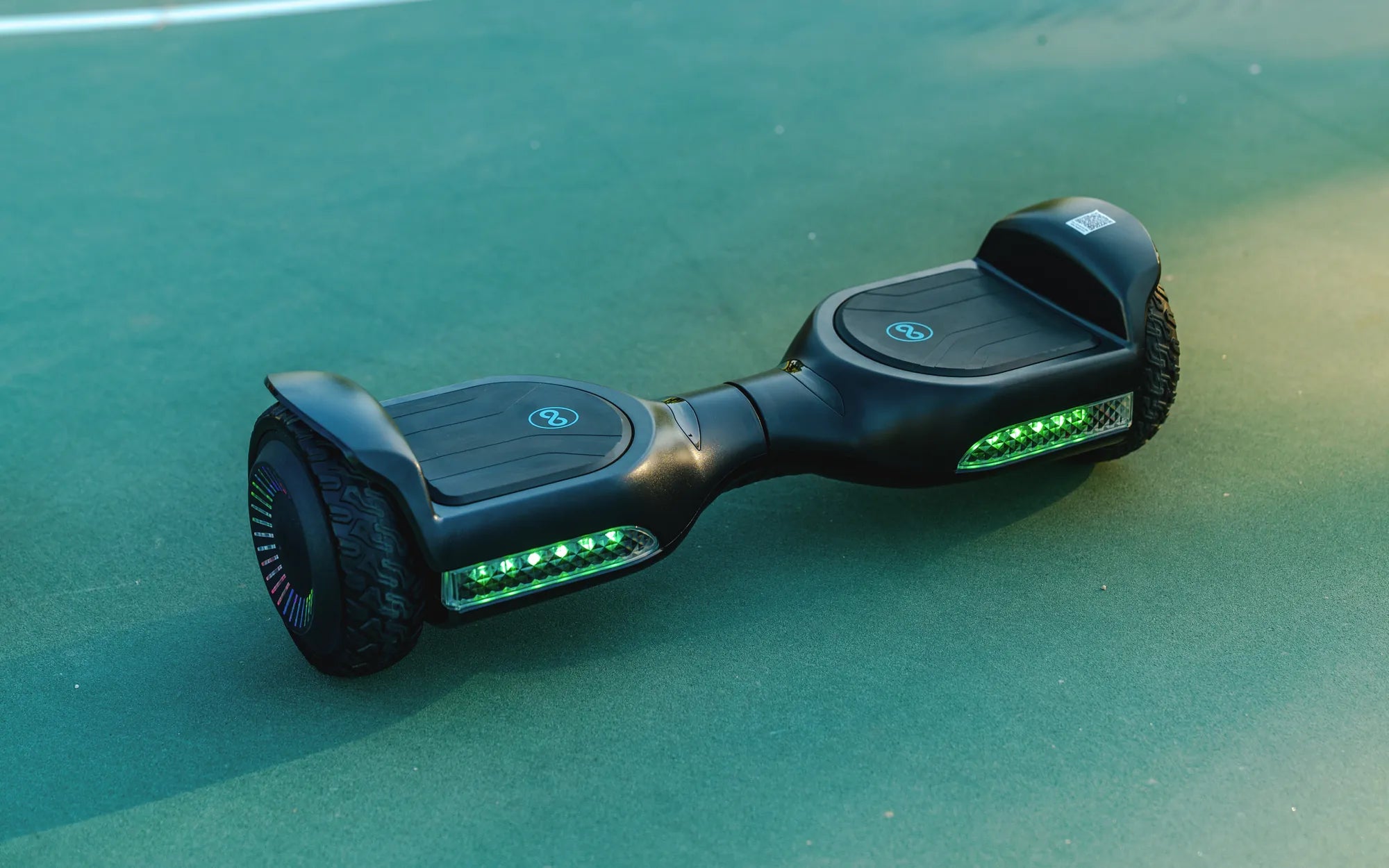
Imagine gliding effortlessly above the ground, defying gravity like a scene from a sci-fi movie. The idea of hoverboards has captivated imaginations for decades, but the burning question remains: when will hoverboards finally become a practical reality? From scientific breakthroughs to engineering hurdles, let's explore the future of this revolutionary mode of transportation.
The Science Behind Hoverboards
Hoverboards rely on the principles of magnetic levitation or air propulsion to lift riders off the ground. While magnetic levitation (maglev) technology is already used in high-speed trains, scaling it down for personal use presents significant challenges. Air-based hoverboards, on the other hand, face limitations in energy efficiency and noise levels.
Current Technological Barriers
Several obstacles stand in the way of mass-produced hoverboards:
- Power Source: Existing batteries lack the energy density required for sustained flight.
- Stability: Maintaining balance without physical contact with the ground remains problematic.
- Cost: Advanced materials and technologies make prototypes prohibitively expensive.
Breakthroughs on the Horizon
Recent advancements in superconductors and compact energy storage show promise. Researchers are experimenting with new materials that could make magnetic levitation more practical at smaller scales. Meanwhile, improvements in drone technology may lead to hybrid solutions combining air propulsion with stability algorithms.
Realistic Timeline Predictions
While fully functional hoverboards remain elusive, experts suggest we might see:
| Timeframe | Expected Development |
|---|---|
| 2025-2030 | Limited commercial prototypes with restricted capabilities |
| 2030-2040 | Improved models with practical urban applications |
| Post-2040 | Potentially mainstream adoption if energy challenges are solved |
Societal Impact of Hoverboard Technology
The introduction of hoverboards would revolutionize urban mobility, potentially reducing traffic congestion and transforming city infrastructure. However, it would also require new safety regulations and possibly dedicated airspace for personal transportation devices.
The dream of hovering above city streets may not be as far-fetched as it once seemed. With each passing year, researchers inch closer to solving the puzzle of personal levitation technology. While we can't say exactly when will hoverboards become commonplace, one thing is certain - the future of transportation is about to get a whole lot more exciting.
How Long Should My Hoverboard Charge: A Complete Guide to Optimal Charging Times
Best Hoverboard to Use with Go Kart Attachment: Ultimate Guide for Thrilling Rides