


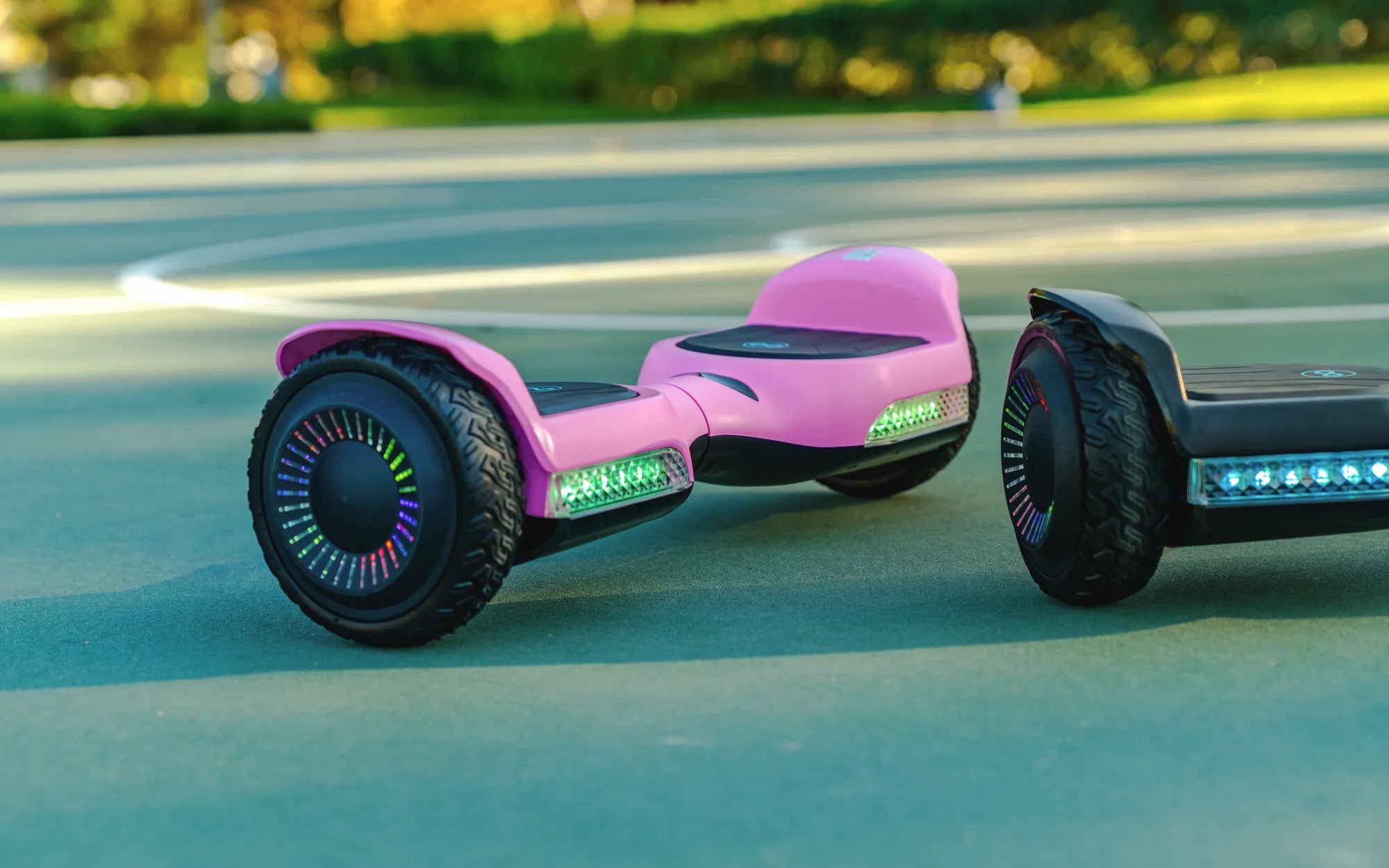
Imagine gliding effortlessly above the ground, bypassing traffic with ease—hoverboards have been a staple of sci-fi fantasies for decades. But when will hoverboards come out in real life? The answer is more complex than you might think, blending cutting-edge technology with real-world limitations.
The Science Behind Hoverboards
Hoverboards rely on magnetic levitation or air propulsion to defy gravity. While prototypes exist, they often require specialized surfaces or extreme conditions to function. True hoverboards, like those seen in movies, would need breakthroughs in energy efficiency and material science.
Current Challenges
Several hurdles stand in the way of mass-produced hoverboards:
- Power Supply: Batteries capable of sustaining levitation for extended periods don’t yet exist.
- Safety Concerns: High-speed levitation without physical support raises significant safety risks.
- Cost: Current prototypes are prohibitively expensive for consumer markets.
Recent Breakthroughs
Researchers have made strides in magnetic levitation and anti-gravity experiments. Some companies have demonstrated small-scale hoverboards, but these are far from practical for everyday use. Advances in superconductors and lightweight materials could accelerate progress.
When Can We Expect Them?
Experts estimate that hoverboards could become commercially viable within the next 10 to 20 years, assuming continued technological advancements. However, widespread adoption will depend on affordability and infrastructure support.
The dream of hoverboards isn’t dead—it’s just waiting for the right moment. As technology evolves, the day when we can ride above the ground inches closer. Stay tuned, because the future of transportation is about to take flight.
How Much a Hoverboard Weigh: A Complete Guide to Weight and Portability
Can Hoverboards Go on Dirt? Exploring Off-Road Possibilities