



Imagine gliding effortlessly above the ground, just like Marty McFly in Back to the Future. The dream of real hoverboards has tantalized generations, but despite decades of promises, we still don't have true levitating boards. So, when will real hoverboards come out? Let's dive into the science, the hurdles, and the most promising developments that could finally bring this futuristic vision to life.
The Science Behind Hoverboards
Real hoverboards require a technology that can defy gravity without relying on wheels or physical contact with the ground. Currently, the most viable approaches include:
- Magnetic Levitation (Maglev): Uses powerful magnets to create lift, similar to high-speed trains.
- Air Propulsion: Relies on downward thrust, like drones, but requires significant energy.
- Superconductors: Could theoretically enable frictionless levitation but require extreme cooling.
Each of these methods faces significant challenges, from energy consumption to stability and cost.
Why Aren't Hoverboards Here Yet?
Despite advancements, several key obstacles stand in the way of real hoverboards:
- Energy Efficiency: Current levitation methods drain power quickly, making sustained flight impractical.
- Safety Concerns: High-speed magnetic fields or powerful thrusters pose risks to riders and bystanders.
- Infrastructure Needs: Maglev hoverboards would require specially designed surfaces, limiting their practicality.
Until these issues are resolved, hoverboards will remain in the realm of prototypes and concept designs.
The Most Promising Breakthroughs
Recent innovations suggest that real hoverboards might not be as far off as we think:
| Technology | Progress | Challenges |
|---|---|---|
| Quantum Levitation | Demonstrated in labs, allowing objects to float above magnetic tracks. | Requires cryogenic cooling, impractical for consumer use. |
| Air-Based Hover Pads | Small-scale prototypes can lift a person briefly. | Extremely noisy and energy-intensive. |
While these technologies aren't ready for mass production, they prove that levitation is possible—just not yet practical for everyday use.
Predicting the Timeline
Experts estimate that real hoverboards could become commercially viable within the next 10 to 20 years, depending on breakthroughs in battery technology, materials science, and magnetic field efficiency. However, widespread adoption would require:
- Affordable, high-capacity power sources.
- Regulatory approval for safe public use.
- Infrastructure support, such as magnetic-enabled roads or parks.
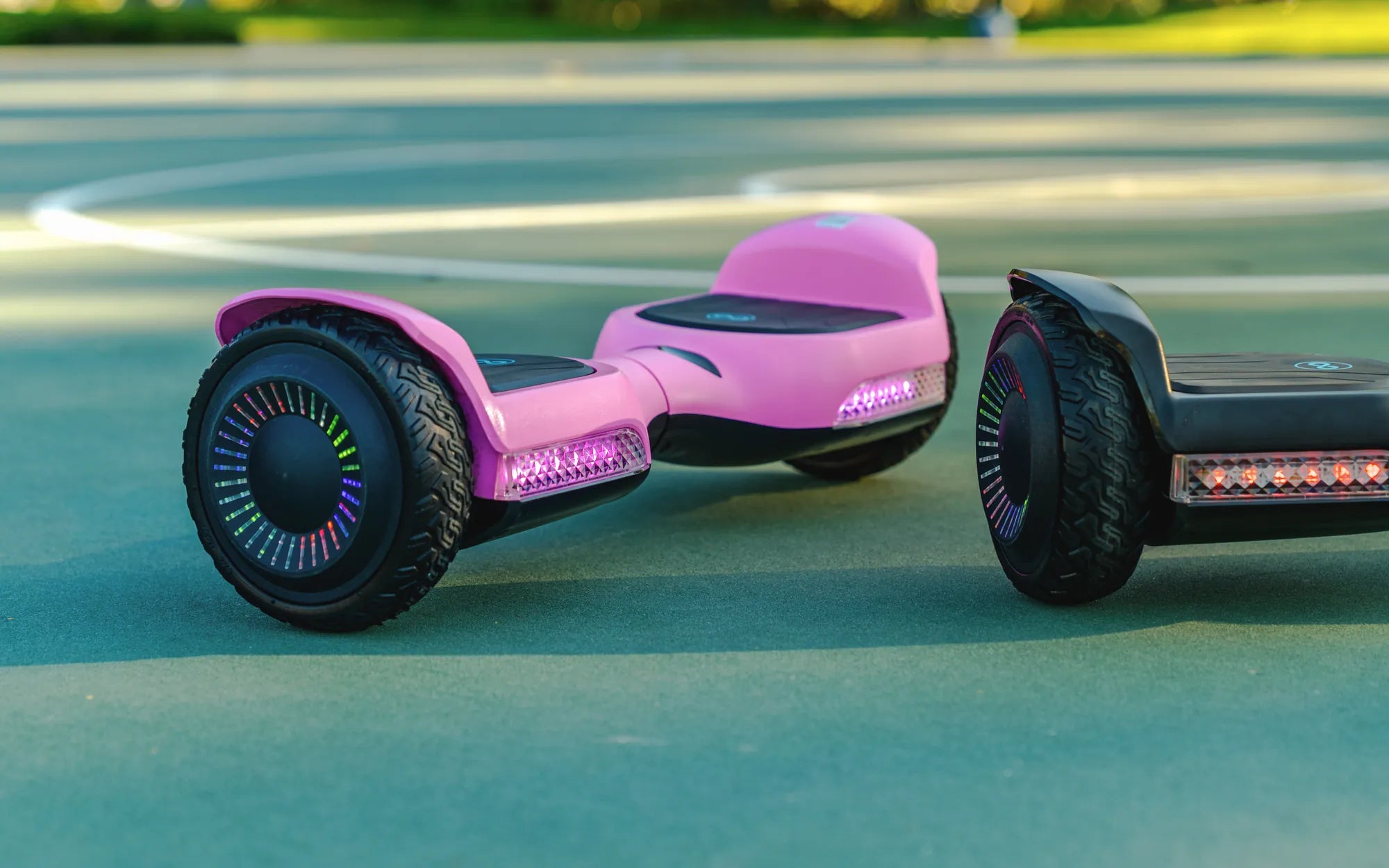
Until then, hoverboard enthusiasts will have to settle for wheeled "hoverboards" or experimental prototypes.
The wait for real hoverboards may still be long, but the future of levitating transportation is closer than ever. With each scientific leap, we inch toward the day when gliding above the ground becomes as normal as riding a bike—so keep dreaming, because the future is almost here.
Are Hoverboards Illegal in Illinois? Here’s What You Need to Know
How Do You Control a Hoverboard: A Complete Guide to Mastering the Ride