



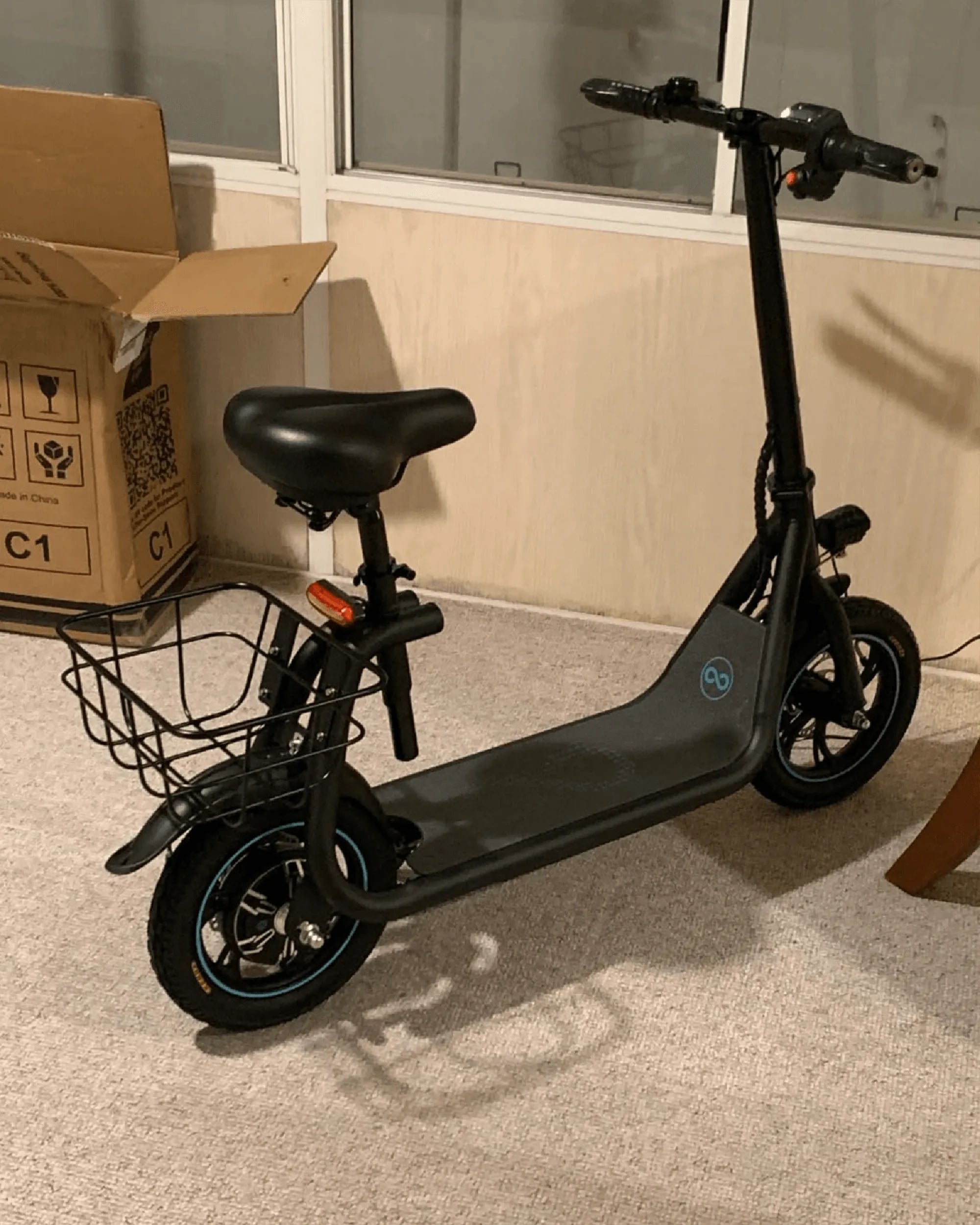
Electric scooters have transformed urban mobility, but their rapid adoption has outpaced regulations in many cities. Navigating where you can legally ride is essential to avoid fines and ensure safety. This guide provides a detailed, up-to-date map of global electric scooter bans and the complex restrictions governing their use. Understanding this landscape is the first step to becoming a responsible rider.
Understanding the "Why": Common Reasons for E-Scooter Bans & Restrictions
Bans are rarely arbitrary. They are typically municipal responses to specific public safety and urban management challenges. The core issues often involve conflict with existing infrastructure not designed for this new form of transport.
Pedestrian safety on sidewalks is the most cited concern. Scooters traveling at 15-20 mph on walkways pose a significant risk to pedestrians, especially the elderly, disabled, or those with young children. This has led many cities to prohibit sidewalk riding entirely, a rule that is frequently flouted and difficult to enforce.
Rider and vehicle safety in mixed traffic is another major factor. Without dedicated bike lanes, scooter riders are forced to share roads with cars, leading to accidents. Concerns over rider inexperience, lack of helmet use, and poor vehicle visibility at night drive regulatory crackdowns.
Public space management is a critical issue. The phenomenon of "scooter litter"—where rental scooters are discarded haphazardly on sidewalks—has fueled public backlash. Cities like San Francisco and Paris have implemented strict permit systems for rental companies to control fleet numbers and mandate proper parking.
Finally, the lack of a pre-existing legal framework created a regulatory vacuum. Many traffic laws were written before micro-mobility existed, forcing cities to choose between hastily crafted new rules or temporary bans while they study the issue. This explains the patchwork nature of global laws.
Regional Restrictions: A Continent-by-Continent Breakdown
The regulatory philosophy varies significantly by region, influenced by existing transportation networks, urban density, and cultural attitudes toward micro-mobility. No single global rule applies.
In North America, regulation is hyper-local, with rules differing between cities, counties, and states. The approach is often reactive, with laws changing after pilot programs or public incidents. There is no federal ban, but no federal standard either.
Europe tends toward a principle of "regulation over prohibition." The European Union classifies e-scooters as vehicles, which typically mandates their use on roads or cycle paths rather than sidewalks. National laws provide a baseline, but cities have considerable autonomy to impose further restrictions or bans.
The Asia-Pacific region shows the most extreme diversity. Some markets, like parts of China, embraced scooters early, leading to congestion issues and subsequent crackdowns. Others, like Singapore, implemented strict preemptive bans on certain public paths. Japan employs a detailed classification system based on scooter specifications.
In the Middle East and Africa, regulations are still emerging. Some major cities have embraced rental schemes, while others maintain outright bans, often citing safety and cultural considerations. The landscape is in rapid flux.
North America: A City-by-City Mosaic of Laws
The United States and Canada present a complex tapestry of regulations. The question of where are electric scooters banned is answered differently in almost every major municipality.
United States: Local Ordinances Rule
There is no national ban. Key cities with notable restrictions include New York City, where privately-owned e-scooters and e-bikes were illegal for decades but are now legal under specific state law, though rental scooters operate under a city permit program. San Francisco famously banned all rental scooters in 2018 before launching a tightly regulated permit program.
Smaller towns and historic districts often maintain bans. For example, Charleston, South Carolina, bans them from historic district sidewalks and streets. Many university campuses also prohibit them. States like Pennsylvania previously classified them as motor vehicles, requiring registration, though laws are modernizing.
Common restrictions include mandatory helmet laws for minors (and sometimes all riders), speed limits (often 15-20 mph), and a minimum riding age (typically 16). Riders must check not just city but also county and state laws before riding.
Canada: Provincial Jurisdiction
In Canada, highway traffic laws are provincial. Ontario, for instance, currently prohibits e-scooters on public roads, bike lanes, and sidewalks, though ongoing pilot projects in select cities are testing regulated use. British Columbia has legalized them with requirements for helmets, age limits (16+), and a maximum speed of 24 km/h.
Edmonton and Calgary have bylaws permitting e-scooters with restrictions. The key takeaway for North America is that assuming legality is dangerous; local verification is mandatory.
Europe: A Framework of Regulated Permission
European nations generally integrate e-scooters into existing vehicle codes rather than banning them outright. The EU's classification as a vehicle means they are subject to equipment, insurance, and road-use rules.
The United Kingdom legalized rental e-scooter trials in 2021. Privately owned e-scooters remain illegal to use on public roads and sidewalks; they are only legal on private land. Riding an illegal scooter on public land can result in a fine, penalty points on a driver's license, and confiscation of the vehicle.
In France, e-scooters are legal but subject to strict rules: a ban on sidewalk riding, a 25 km/h speed limit, a mandatory 12-year-old minimum age, and required lighting. Paris voted to ban rental e-scooters in 2023 due to clutter and safety concerns, but private scooters remain legal under national rules.
Germany requires an insurance plate, a minimum age of 14, and restricts use to bike lanes or roads (sidewalks are prohibited). Spain's laws are decentralized; Barcelona, for example, has imposed strict parking zones and reduced speed limits in crowded areas. The trend is toward tighter regulation of rental fleets rather than blanket bans on ownership.
Asia-Pacific: From Embrace to Strict Control
This region demonstrates the full spectrum of regulatory responses, from integration to severe restriction. Understanding local specifics is non-negotiable.
China, the manufacturing hub, has seen cities like Beijing and Shanghai implement strict bans on e-scooters on many major urban roads during peak hours. Registration, helmet use, and no-passenger rules are common. The focus is on managing colossal numbers of vehicles.
Singapore famously banned e-scooters from all footpaths in 2019 after a series of accidents. They are now confined to cycling paths and park connectors. The ban on footpath use for devices over 10kg effectively restricts most full-sized scooters.
Japan uses a meticulous classification system. E-scooters under 1 kW power and with a max speed under 20 km/h can be used without a license, registration, or helmet (though encouraged). Those exceeding these specs are classified as motorcycles, requiring licensing and registration. Sidewalk riding is generally prohibited.
Australia's rules are state-based. In New South Wales, they are illegal on roads and footpaths except in approved rental trial areas. Queensland has more permissive laws, allowing them on roads and bike paths with speed and power limits. Always check state transport authority websites.
Key Factors That Determine Legality: Speed, Power, and Location
Bans are often conditional, based on specific technical and spatial criteria. These factors form the backbone of most regulations worldwide.
Maximum Speed is the primary regulator. Most jurisdictions that allow e-scooters impose a speed limit, often between 15.5 mph (25 km/h) and 20 mph (32 km/h). Some require scooters to have a speedometer. Speed limits are lower for sidewalk use (typically 6-8 mph) in the few places that allow it. Models like the Gyroor F1 offer multiple speed modes, allowing riders to select a compliant setting for their area.
Motor Power is a common legal threshold. In the EU, 250W is a common limit for classification as a "cycle." In some Australian states, the limit is 200W. Higher wattage often pushes the device into a regulated moped or motorcycle category, requiring licensing and registration.
Permitted Riding Zones are the most visible restriction. The global consensus is moving toward banning sidewalk riding entirely. The hierarchy is typically: dedicated bike lanes (preferred), then low-speed residential roads, then (less commonly) multi-use paths. Knowing the zone rules for your specific location is critical.
| Jurisdiction Type | Typical Speed Limit | Typical Power Limit | Common Riding Zone |
|---|---|---|---|
| European Union Cities | 25 km/h (15.5 mph) | 250W - 500W | Bike Lanes / Roads |
| US Major Cities | 15-20 mph | Often unregulated | Bike Lanes / Roads ≤35 mph |
| UK (Rental Trials) | 15.5 mph | 500W | Roads / Cycle Lanes |
| Australia (e.g., QLD) | 25 km/h | 200W | Bike Paths / Roads |
How to Ride Legally and Responsibly Anywhere
Compliance starts before you step on the deck. A proactive approach ensures your ride is safe and avoids legal trouble.
First, research your local ordinances. Do not rely on word of mouth or the rules from your previous city. Check your city's transportation department website, local police department guidelines, and state/provincial vehicle codes. Look for keywords like "motorized scooter," "personal mobility device," or "micro-mobility."
Invest in proper safety gear. A helmet is non-negotiable for safety and is legally required in most places for minors and many for adults. Consider additional protection like knee and elbow pads, especially when learning. Use lights—front white and rear red—at all times, not just at night. This is a legal requirement in many regions and a critical visibility measure.
Ride defensively and predictably. Always use bike lanes when available. On roads, ride in the direction of traffic, obey all traffic signals, and use hand signals for turns. Never ride under the influence of alcohol or drugs. Assume that drivers may not see you.
Be a good citizen. Do not block sidewalks, ramps, or building entrances when parking. Keep your scooter well-maintained—check brakes, tire pressure, and lights regularly. Choosing a reliable brand like Gyroor, known for UL-certified batteries and IPX5 water-resistant designs, reduces the risk of mechanical failure that could cause an accident or violate equipment laws.
The Future of E-Scooter Regulations: Trends to Watch
The regulatory environment is maturing, moving from reactive bans toward structured integration. Several key trends are shaping the future.
Dedicated infrastructure is the ultimate solution. Cities are increasingly building protected bike and micro-mobility lanes, separating scooters from both fast-moving traffic and pedestrians. This addresses the core safety concern and reduces the impetus for bans.
Technology-enabled compliance is rising. Geofencing—using GPS to automatically control scooter speed or disable them in no-ride zones—is becoming standard for rental fleets and is a feature on some private models. This helps enforce speed limits in parks or pedestrian plazas.
Stricter rider accountability is coming. Some cities are linking rental app accounts to digital IDs to fine reckless riders. For private scooters, there is discussion around mandatory registration plates or insurance for higher-powered models to ensure accountability in accidents.
Standardization of rules may emerge. As micro-mobility becomes mainstream, pressure will grow for regional or national standards to replace the confusing local patchwork. This would benefit manufacturers and consumers, making compliance clearer. The evolution of laws underscores the importance of choosing durable, compliant products from established brands with a focus on safety and reliability.
FAQ: Quick Answers on Common E-Scooter Ban Questions
Are electric scooters banned in all of the UK or US?
No, there is no nationwide ban in either country. In the UK, private e-scooters are illegal to use on public roads and paths; they are only legal on private land. Rental scooters operate in government-approved trial areas. In the US, laws are set locally; they are legal in many cities but banned in specific towns, districts, or campuses.
Can I take my e-scooter on public transit?
This depends entirely on the transit authority. Many buses and trains allow folded e-scooters, but some prohibit them during peak hours or altogether due to battery safety concerns. Always check the specific rules of your local bus, subway, or train operator before boarding.
What happens if I'm caught riding where it's banned?
Penalties vary but can include substantial fines (from $100 to over $500), confiscation of your scooter, and in some jurisdictions (like the UK), penalty points on your driver's license. It is treated as a traffic violation.
Do these bans apply to electric bikes (e-bikes) as well?
Not usually. E-bikes are often regulated under separate, more established laws. They are more widely legal because they typically have pedals and are integrated into bicycle regulations. However, some restrictions on motor power and speed may apply. Always verify e-bike laws separately.
How can I advocate for legal e-scooter use in my city?
Engage constructively. Attend city council meetings, join or form local cycling/micro-mobility advocacy groups, and present data on safety and environmental benefits. Advocate for sensible regulations (like bike lane access and speed limits) rather than just access. Promote rider education and responsible parking to address common community concerns.
Your Passport to Informed and Safe Riding
The global landscape for electric scooters is defined by localized rules, not universal bans. The key to confident riding is diligent research into your specific city's ordinances regarding speed, power, and permitted zones. While restrictions exist, the overarching trend is toward smart regulation that integrates micro-mobility into urban transport ecosystems safely.
Prioritizing safety gear, defensive riding, and proper parking makes you an ambassador for responsible scooter culture. Investing in a well-built, reliable scooter from a trusted brand is a foundational step. Gyroor designs its electric scooters and e-bikes with compliance and safety in mind, featuring UL-certified battery packs, adjustable speed modes, and robust lighting systems to help riders meet local standards.
As infrastructure and laws evolve, informed riders help shape a positive future for urban mobility. Start your journey equipped with knowledge and the right gear.
Ready to ride with confidence? Explore Gyroor's range of UL-certified, feature-rich electric scooters and e-bikes designed for performance, safety, and durability. Browse the full Gyroor collection at gyroorboard.com.
Can You Ride Pure Electric Scooters in the Rain? A Safety-First Guide
Electric Scooters That Go 45 MPH: The Ultimate Commuting Upgrade?