

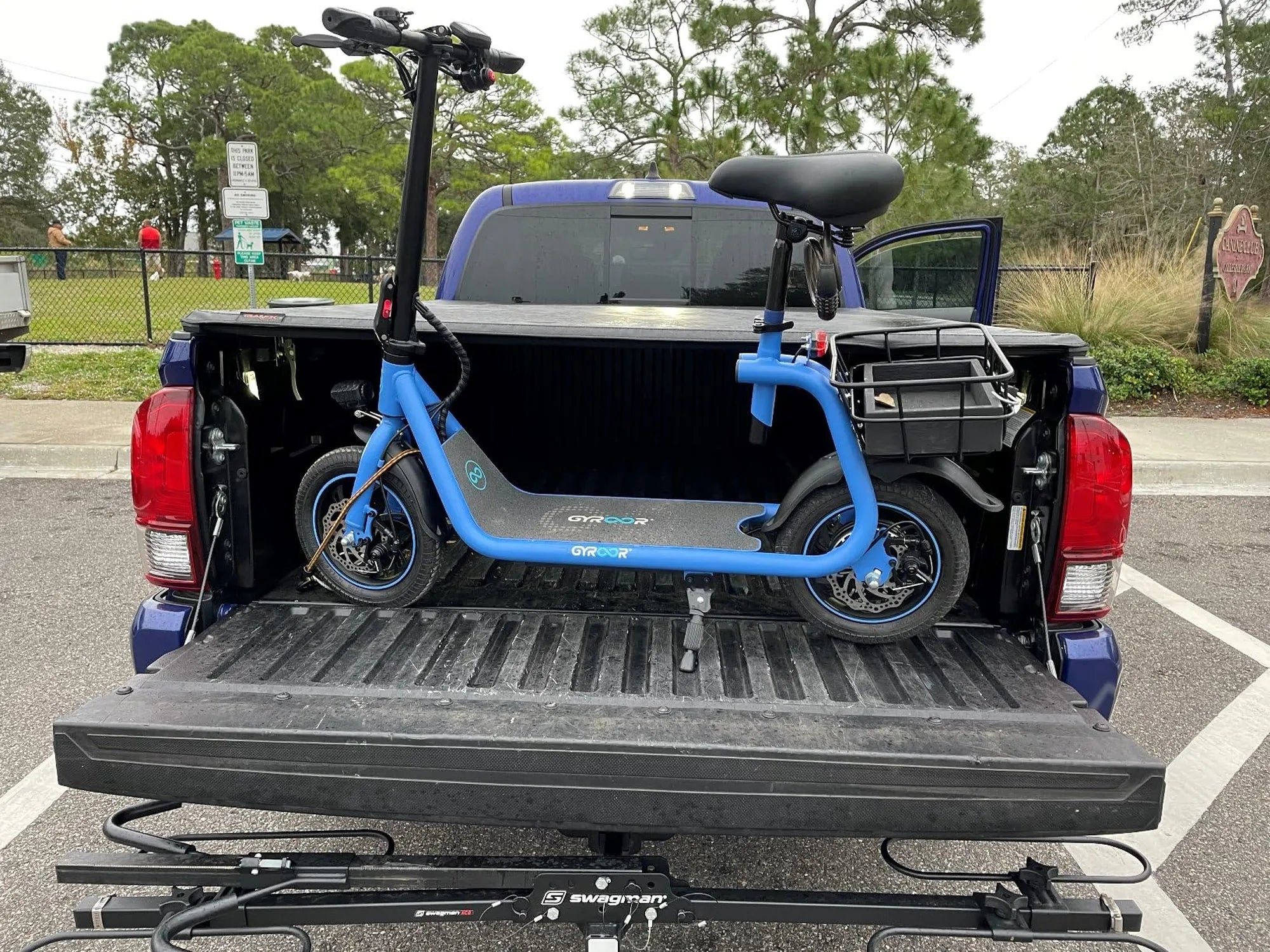
Riding a scooter should feel effortless, but if your handlebars are in the wrong position, it can turn into a frustrating experience. Whether you're a daily commuter or a weekend rider, understanding where your scooter handlebars should be is crucial for comfort, control, and safety. Let’s dive into the science and art of handlebar positioning to help you ride like a pro.
The Importance of Proper Handlebar Positioning
Handlebars are the primary point of contact between you and your scooter. Their position affects your posture, steering responsiveness, and overall riding comfort. Incorrect placement can lead to fatigue, poor control, and even long-term strain on your wrists, shoulders, and back. Here’s why getting it right matters:
- Comfort: Properly aligned handlebars reduce strain on your body during long rides.
- Control: Optimal positioning ensures precise steering and maneuverability.
- Safety: Correct handlebar height and angle minimize the risk of accidents caused by poor handling.
Factors to Consider When Adjusting Scooter Handlebars
Finding the perfect handlebar position depends on several factors, including your height, riding style, and the type of scooter you use. Here’s what to keep in mind:
1. Handlebar Height
The height of your handlebars should allow you to maintain a relaxed, upright posture. If they’re too low, you’ll hunch over, straining your back. If they’re too high, you’ll lose leverage and control. A good rule of thumb is to position the handlebars at or slightly below your waist when standing next to the scooter.
2. Handlebar Angle
The angle of the handlebars affects wrist comfort and steering ease. Most riders prefer a slight backward tilt (about 10-15 degrees) to reduce wrist pressure. Experiment with small adjustments to find what feels natural for you.
3. Handlebar Width
Wider handlebars offer better stability, especially at higher speeds, while narrower ones provide quicker turns. Your handlebars should align roughly with your shoulders for a balanced feel.
Step-by-Step Guide to Adjusting Your Handlebars
Ready to fine-tune your scooter’s handlebars? Follow these steps for a customized fit:
- Loosen the Clamp: Use the appropriate tool to loosen the stem or clamp holding the handlebars in place.
- Adjust the Height: Raise or lower the handlebars to your desired position, ensuring they’re secure.
- Set the Angle: Rotate the handlebars forward or backward to achieve a comfortable wrist angle.
- Tighten the Clamp: Securely fasten the clamp to prevent slippage during rides.
- Test Ride: Take a short ride to assess comfort and make further adjustments if needed.
Common Mistakes to Avoid
Even seasoned riders can make errors when adjusting handlebars. Avoid these pitfalls:
- Over-tightening: This can damage the clamp or stem, leading to costly repairs.
- Ignoring Ergonomics: Prioritize comfort over aesthetics—your body will thank you.
- Skipping Test Rides: Always test your adjustments to ensure they work in real-world conditions.
How Handlebar Positioning Varies by Riding Style
Your ideal handlebar position depends on how you ride. Here’s a quick breakdown:
Commuting
For city riders, a slightly higher handlebar position promotes an upright posture, reducing fatigue during stop-and-go traffic.
Off-Roading
Lower handlebars provide better control and leverage on rough terrain, helping you navigate obstacles with ease.
Leisure Riding
A neutral position—neither too high nor too low—offers a relaxed experience for casual rides.
Signs Your Handlebars Need Adjustment
How do you know if your handlebars are out of whack? Watch for these red flags:
- Wrist or shoulder pain during or after rides
- Difficulty steering or maintaining balance
- Numbness in your hands or fingers
- Uneven tire wear (indicating misalignment)
Final Thoughts on Handlebar Placement
Perfecting your scooter’s handlebar position is a game-changer. It’s not just about comfort—it’s about unlocking a smoother, safer, and more enjoyable ride. Take the time to experiment with adjustments, and don’t hesitate to seek professional help if needed. Your scooter (and your body) will reward you with miles of effortless cruising.
Ready to transform your riding experience? Start by tweaking those handlebars today and feel the difference on your next adventure!
Avg Bike Speed: How Fast Can You Really Go on Two Wheels?
Best Childrens Scooter: A Complete Guide for Parents