



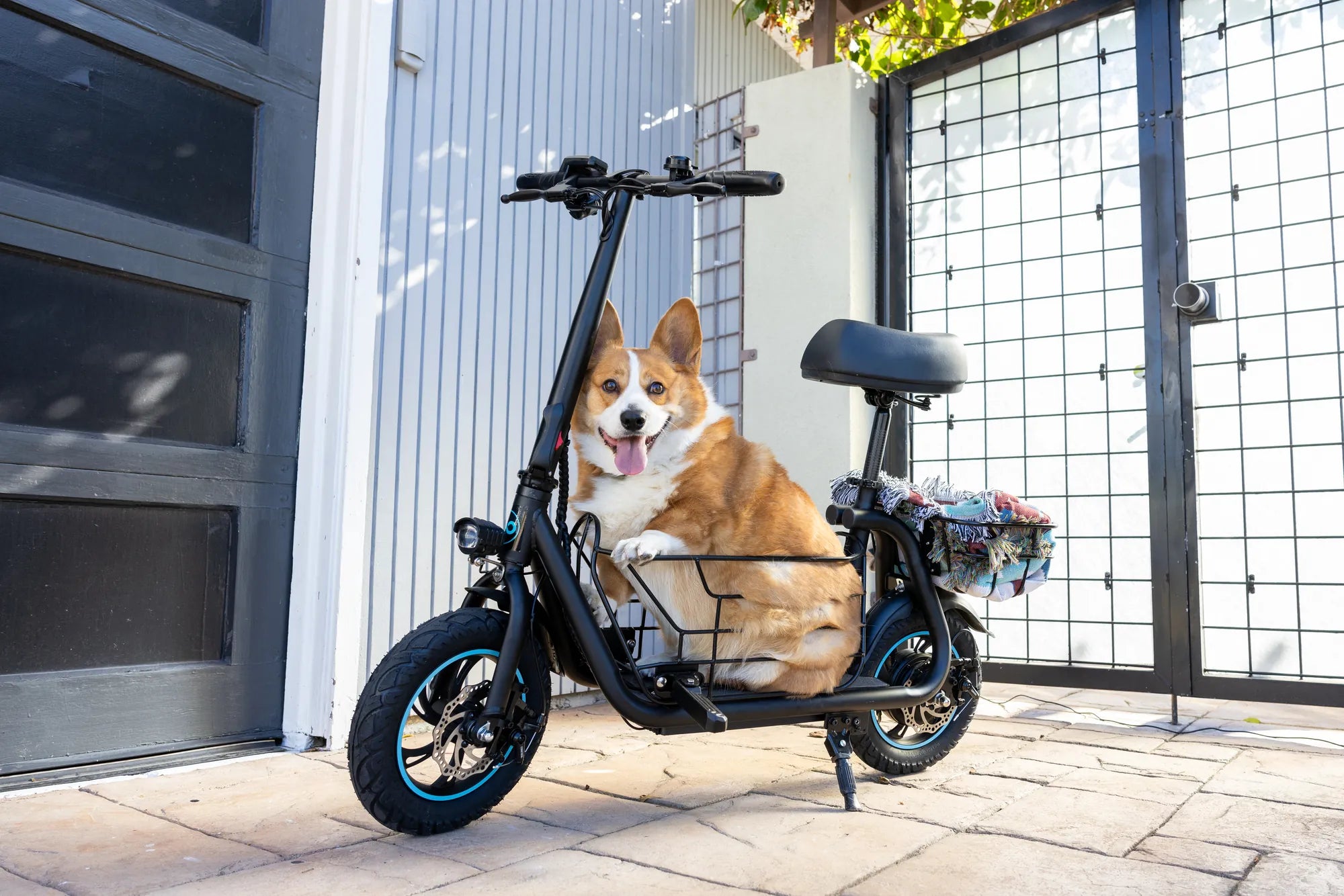
Electric scooters have surged in popularity as a convenient and eco-friendly mode of transportation. But before you hit the road, it's crucial to know: which electric scooter need a license? The answer isn't always straightforward, as laws vary by location and depend on factors like speed, power, and scooter classification. This guide breaks down everything you need to know to ride legally and avoid fines.
Understanding Electric Scooter Classifications
Electric scooters fall into different categories based on their specifications. These classifications often determine whether a license is required:
- Low-Powered Scooters: Typically under 250W and speeds below 15 mph (24 km/h). These are often exempt from licensing.
- Mid-Range Scooters: Between 250W and 1000W, with speeds up to 28 mph (45 km/h). Licensing requirements vary by region.
- High-Powered Scooters: Exceeding 1000W or speeds over 28 mph. These usually require a license and may be classified as mopeds or motorcycles.
Legal Requirements by Region
Laws differ significantly depending on where you ride. Here's a general overview:
United States
In the U.S., electric scooter regulations are state-specific. Some states treat them like bicycles, while others classify faster models as motor vehicles requiring a license. Always check local laws before riding.
European Union
The EU generally requires licenses for scooters exceeding 15.5 mph (25 km/h). Slower models are often considered "personal light electric vehicles" and may not need a license.
Australia and Canada
Australia mandates licenses for scooters over 250W, while Canada's rules vary by province. High-speed models often require registration and insurance.
How to Determine If Your Scooter Needs a License
Follow these steps to ensure compliance:
- Check your scooter's wattage and top speed.
- Research local transportation laws.
- Contact your local DMV or transportation authority for clarification.
Penalties for Riding Without a License
Ignoring licensing requirements can lead to fines, impoundment, or even legal action. Always err on the side of caution and verify your scooter's status.
Tips for Riding Legally and Safely
Even if your scooter doesn't require a license, follow these best practices:
- Wear a helmet and protective gear.
- Obey traffic laws and speed limits.
- Use bike lanes where available.
Riding an electric scooter can be a blast, but staying on the right side of the law ensures a smooth and trouble-free experience. Whether your ride requires a license or not, always prioritize safety and respect local regulations to enjoy the freedom of electric mobility without the hassle.
10 Best Mountain Biking Trails in New Mexico for Thrill Seekers
Battery Bike for Child: The Ultimate Guide to Safe and Fun Riding