



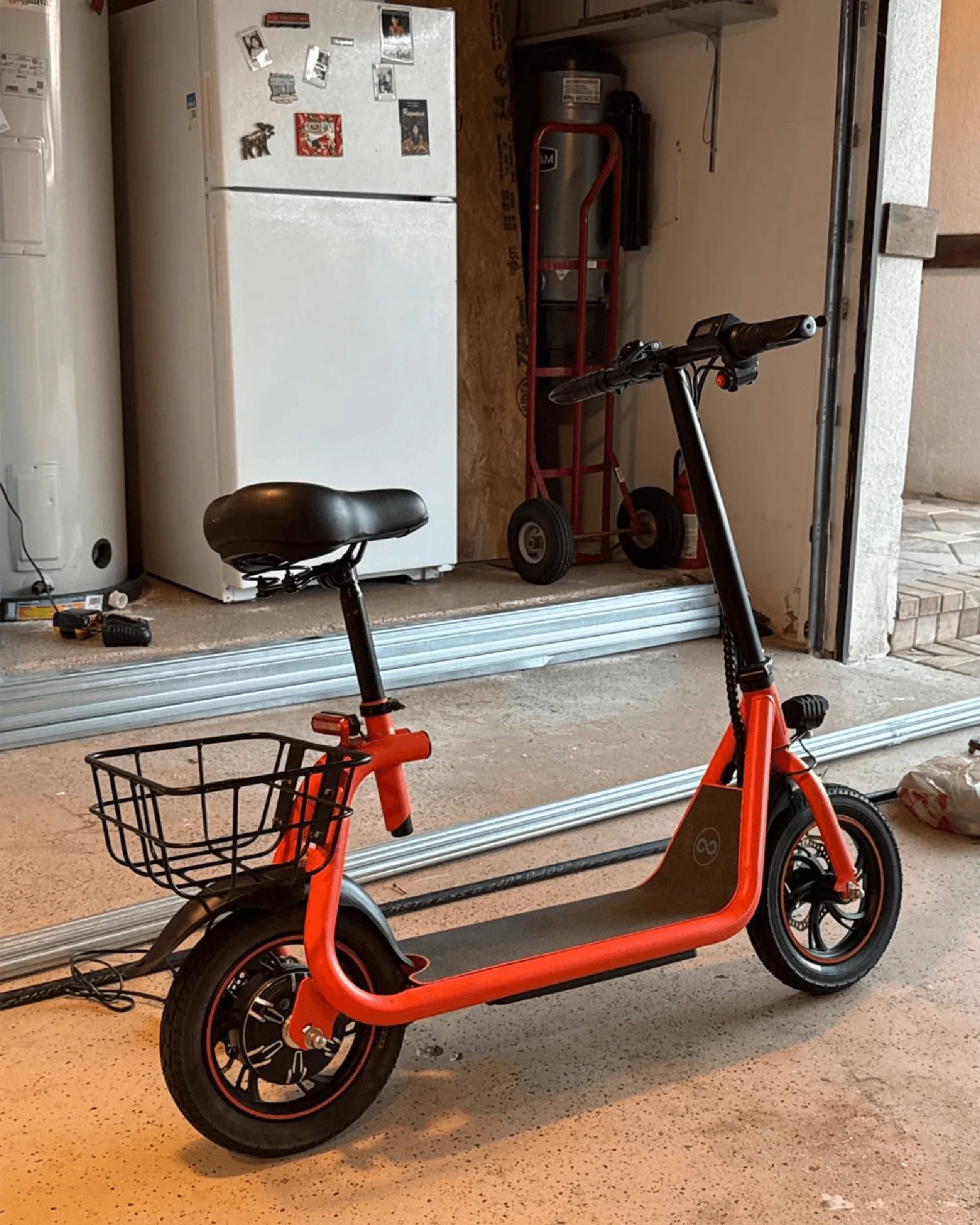
Deciding between an e-bike and an e-scooter can feel like a tough choice, especially with the growing popularity of both electric mobility options. Whether you're commuting to work, running errands, or just enjoying a ride, each has its unique advantages. Let's dive into the details to help you make an informed decision.
Speed and Performance
When it comes to speed, e-bikes generally offer a higher top speed compared to e-scooters. Most e-bikes can reach speeds of up to 28 mph, while e-scooters typically max out at around 15-20 mph. However, e-scooters are often more agile in urban environments, making them ideal for short commutes and weaving through traffic.
Range and Battery Life
E-bikes usually have a longer range due to their larger battery capacity. On a single charge, an e-bike can travel between 20-50 miles, depending on the model and usage. E-scooters, on the other hand, typically offer a range of 10-30 miles. If you need a vehicle for longer distances, an e-bike might be the better choice.
Comfort and Riding Experience
E-bikes provide a more comfortable ride, especially for longer trips. With their padded seats and ergonomic designs, they are easier on the body. E-scooters, while compact and lightweight, can be less comfortable over extended periods due to their standing-only design and smaller wheels.
Portability and Storage
E-scooters shine when it comes to portability. They are lightweight and foldable, making them easy to carry on public transport or store in small spaces. E-bikes, while some models are foldable, are generally bulkier and heavier, requiring more storage space.
Cost and Maintenance
E-scooters are usually more affordable upfront, with prices ranging from a few hundred to a couple of thousand dollars. E-bikes tend to be more expensive, but they often come with better build quality and durability. Maintenance costs for e-bikes can be higher due to their complex components, while e-scooters are simpler and cheaper to maintain.
Safety Considerations
Both e-bikes and e-scooters come with safety risks, but e-bikes are generally considered safer due to their stability and larger wheels. E-scooters, with their smaller wheels, are more prone to accidents on uneven surfaces. Always wear a helmet and follow local traffic laws regardless of your choice.
Environmental Impact
Both options are eco-friendly compared to traditional gas-powered vehicles. E-bikes and e-scooters produce zero emissions and are energy-efficient. However, e-bikes may have a slight edge due to their longer lifespan and reduced need for frequent replacements.
Legal Regulations
Laws regarding e-bikes and e-scooters vary by location. Some cities have strict rules about where you can ride e-scooters, while e-bikes are often treated similarly to traditional bicycles. Always check local regulations before making a purchase.
Final Thoughts
Choosing between an e-bike and an e-scooter ultimately depends on your specific needs and preferences. If you prioritize speed, comfort, and longer rides, an e-bike is likely the better option. For those who value portability, affordability, and short commutes, an e-scooter might be the way to go. Whichever you choose, both offer a fun and eco-friendly way to get around.
Ready to make your decision? Whether you opt for an e-bike or an e-scooter, you're stepping into a world of convenient, sustainable transportation. The choice is yours—happy riding!
Scooter More: The Ultimate Guide to Choosing and Riding Your Perfect Scooter
Best Teenage Scooter: Top Picks for Style, Safety, and Fun