


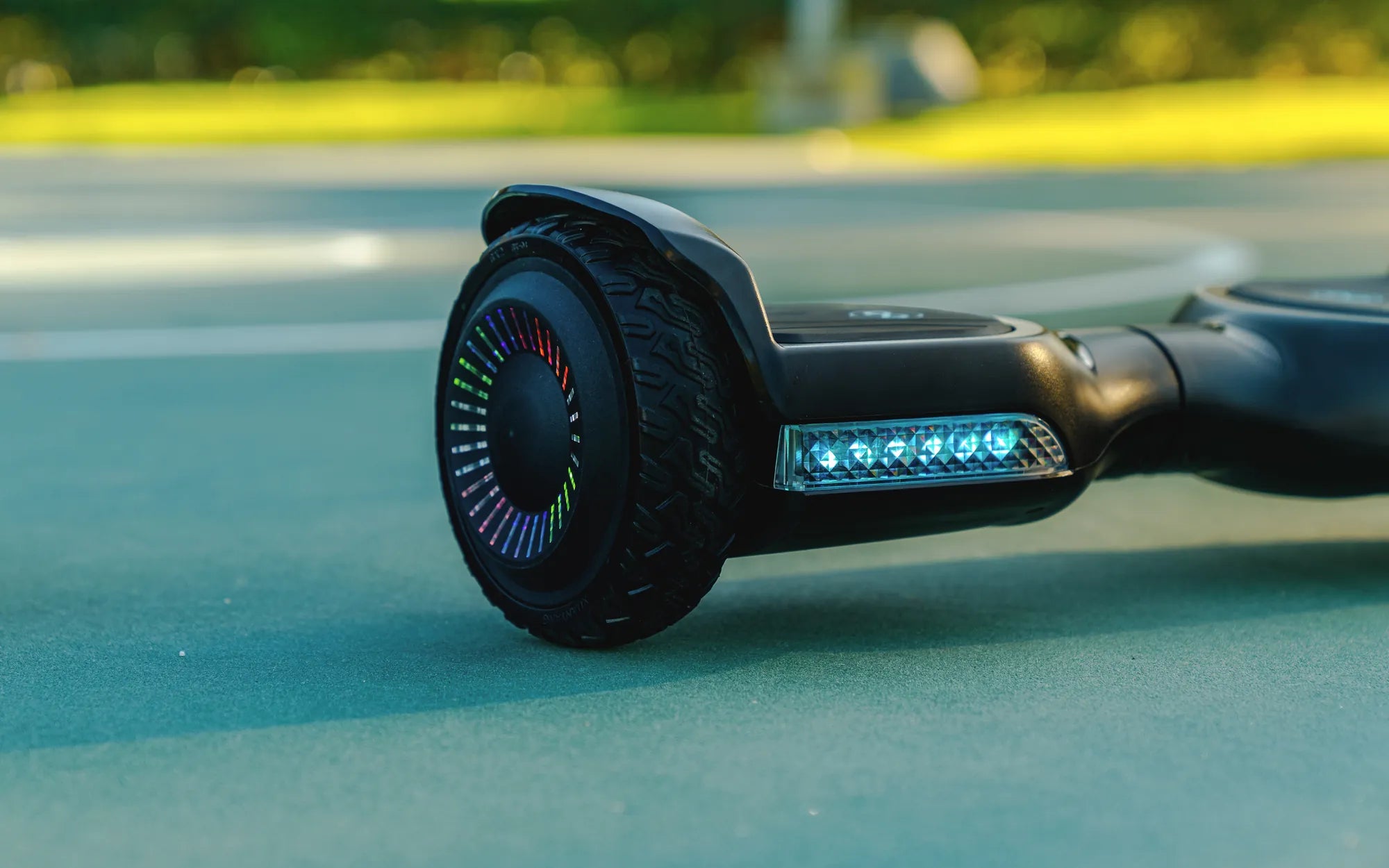
Hoverboards have captured the imagination of millions, blending futuristic appeal with practical mobility. But who exactly is buying these self-balancing scooters? From tech enthusiasts to urban commuters, the hoverboard market is more diverse than you might think. Let’s dive into the demographics, trends, and motivations behind hoverboard purchases.
The Rise of Hoverboards
Once considered a novelty, hoverboards have become a staple in personal transportation. Their popularity surged in the mid-2010s, and while the initial hype has settled, they remain a sought-after item for various groups. The evolution of hoverboard technology has made them safer, more affordable, and accessible to a broader audience.
Who Buys Hoverboards?
The hoverboard market is surprisingly diverse, catering to different age groups, lifestyles, and needs. Here’s a breakdown of the primary buyers:
1. Teenagers and Young Adults
Teens and young adults are among the biggest consumers of hoverboards. For this demographic, hoverboards are a fun way to get around, a status symbol, and a social activity. Many use them for short commutes, hanging out with friends, or simply enjoying the thrill of riding.
2. Urban Commuters
In crowded cities, hoverboards offer a convenient alternative to walking or public transport. Commuters appreciate their compact size, ease of use, and ability to navigate through traffic. They’re especially popular in areas with limited parking or high congestion.
3. Tech Enthusiasts
Early adopters and tech lovers are drawn to hoverboards for their innovative design and cutting-edge features. Many enjoy tinkering with the technology, customizing their boards, or simply owning the latest gadgets.
4. Parents Buying for Kids
Hoverboards are a popular gift choice for parents looking to surprise their children. With improved safety features and kid-friendly designs, many parents see them as a fun and practical present for birthdays or holidays.
5. Professionals and Business Travelers
Some professionals use hoverboards for last-mile connectivity, especially in large campuses or business districts. They’re a quick way to move between meetings or transit points without breaking a sweat.
Factors Influencing Hoverboard Purchases
Several factors drive hoverboard sales, including:
Price and Affordability
As prices have dropped, hoverboards have become more accessible to a wider audience. Budget-friendly models attract younger buyers, while premium options appeal to those seeking advanced features.
Safety and Regulations
Improved safety standards and regulations have boosted consumer confidence. Buyers are more likely to invest in hoverboards that meet certified safety requirements.
Trends and Social Influence
Social media and celebrity endorsements play a significant role in hoverboard popularity. Viral videos and influencer content often drive demand among younger audiences.
Environmental Concerns
Eco-conscious buyers appreciate hoverboards as a green alternative to gas-powered vehicles. Their electric operation and low carbon footprint align with sustainable lifestyles.
The Future of Hoverboard Buyers
The hoverboard market continues to evolve, with new innovations attracting even more buyers. From enhanced battery life to smart connectivity, future models will likely appeal to an even broader demographic. As cities become more congested and eco-friendly transportation gains traction, hoverboards are poised to remain a popular choice.
Whether you’re a thrill-seeking teen, a busy commuter, or a tech-savvy early adopter, hoverboards offer something for everyone. Their blend of fun, convenience, and innovation ensures they’ll stay in demand for years to come. Ready to join the ride?
6 or 8 Inch Hoverboard: Which Size Is Right for You?
6 or 8 Inch Hoverboard: Which Size Is Right for You?