

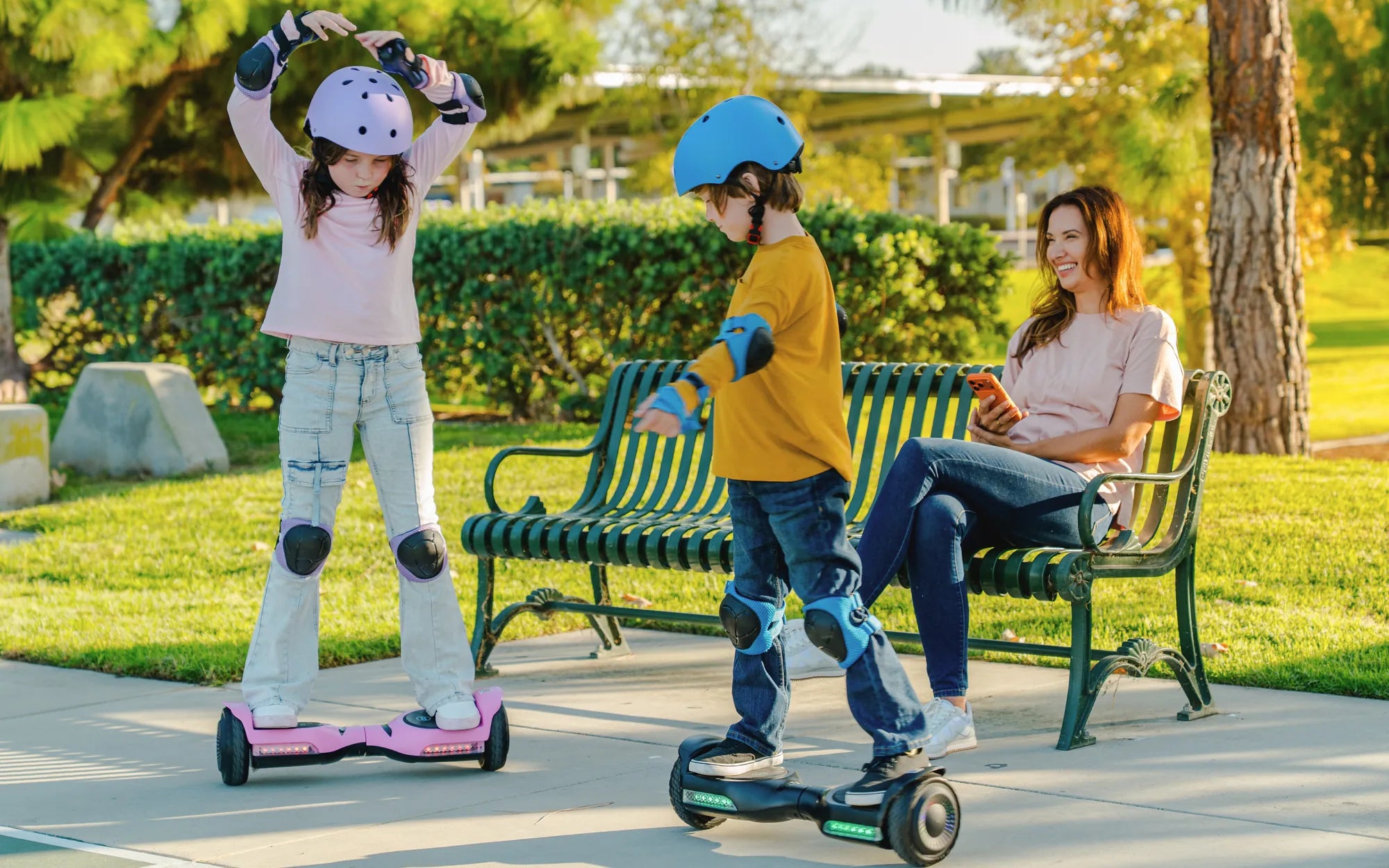
Hoverboards have become a popular mode of personal transportation, but many riders encounter an annoying problem: shaking. If you've ever wondered, "Why do hoverboards shake?" you're not alone. This issue can range from mild vibrations to severe wobbling, making the ride uncomfortable or even dangerous. Let's dive into the causes and solutions to keep your hoverboard gliding smoothly.
Common Causes of Hoverboard Shaking
Understanding why hoverboards shake requires examining several factors. Here are the most common culprits:
1. Uneven or Loose Wheels
Wheels are the foundation of your hoverboard's stability. If they're unevenly worn, loose, or misaligned, shaking is almost inevitable. Over time, debris or rough terrain can damage the wheels, leading to imbalance.
2. Calibration Issues
Hoverboards rely on precise calibration to maintain balance. If the internal gyroscopes or sensors are misaligned, the board may struggle to stabilize, causing vibrations.
3. Low Battery or Power Fluctuations
A weak battery can disrupt the hoverboard's performance, leading to jerky movements. Similarly, power surges or drops may cause the motors to behave erratically.
4. Damaged or Worn-Out Components
Internal parts like motors, bearings, or wiring can degrade over time. Worn-out components often result in shaky rides, especially at higher speeds.
5. Riding on Uneven Surfaces
Hoverboards are designed for smooth terrain. Rough or bumpy surfaces can trigger instability, forcing the board to compensate by shaking.
How to Fix a Shaking Hoverboard
Now that we know why hoverboards shake, let's explore solutions to restore a smooth ride.
1. Check and Tighten the Wheels
Inspect the wheels for damage or looseness. Tighten any loose screws and replace worn-out wheels to ensure even rotation.
2. Recalibrate the Hoverboard
Most hoverboards have a calibration mode. Follow the manufacturer's instructions to reset the sensors and gyroscopes for optimal performance.
3. Charge the Battery Fully
A low battery can cause instability. Always charge your hoverboard before use and avoid draining it completely.
4. Inspect Internal Components
If shaking persists, open the hoverboard (if safe to do so) and check for damaged wires, motors, or bearings. Replace faulty parts as needed.
5. Ride on Smooth Surfaces
Avoid rough terrain whenever possible. Stick to paved paths or smooth floors to minimize vibrations.
Preventive Measures to Avoid Shaking
Prevention is better than cure. Here's how to keep your hoverboard stable for longer:
- Regularly clean the wheels and remove debris.
- Store the hoverboard in a dry, temperature-controlled environment.
- Avoid overloading the board beyond its weight limit.
- Perform routine maintenance checks.
When to Seek Professional Help
If troubleshooting doesn't resolve the shaking, consult a professional. Persistent issues may indicate deeper mechanical or electrical problems that require expert attention.
Shaking hoverboards can turn a fun ride into a frustrating experience, but with the right knowledge, you can diagnose and fix the problem. Whether it's tightening wheels, recalibrating sensors, or replacing worn parts, these solutions will help you enjoy a smoother, safer ride. Don't let vibrations hold you back—take action and get back to gliding effortlessly!
Why Are Hoverboards So Popular? Exploring the Craze Behind the Trend
Hoverboards Under $150: Affordable, Safe, and Fun for Everyone