



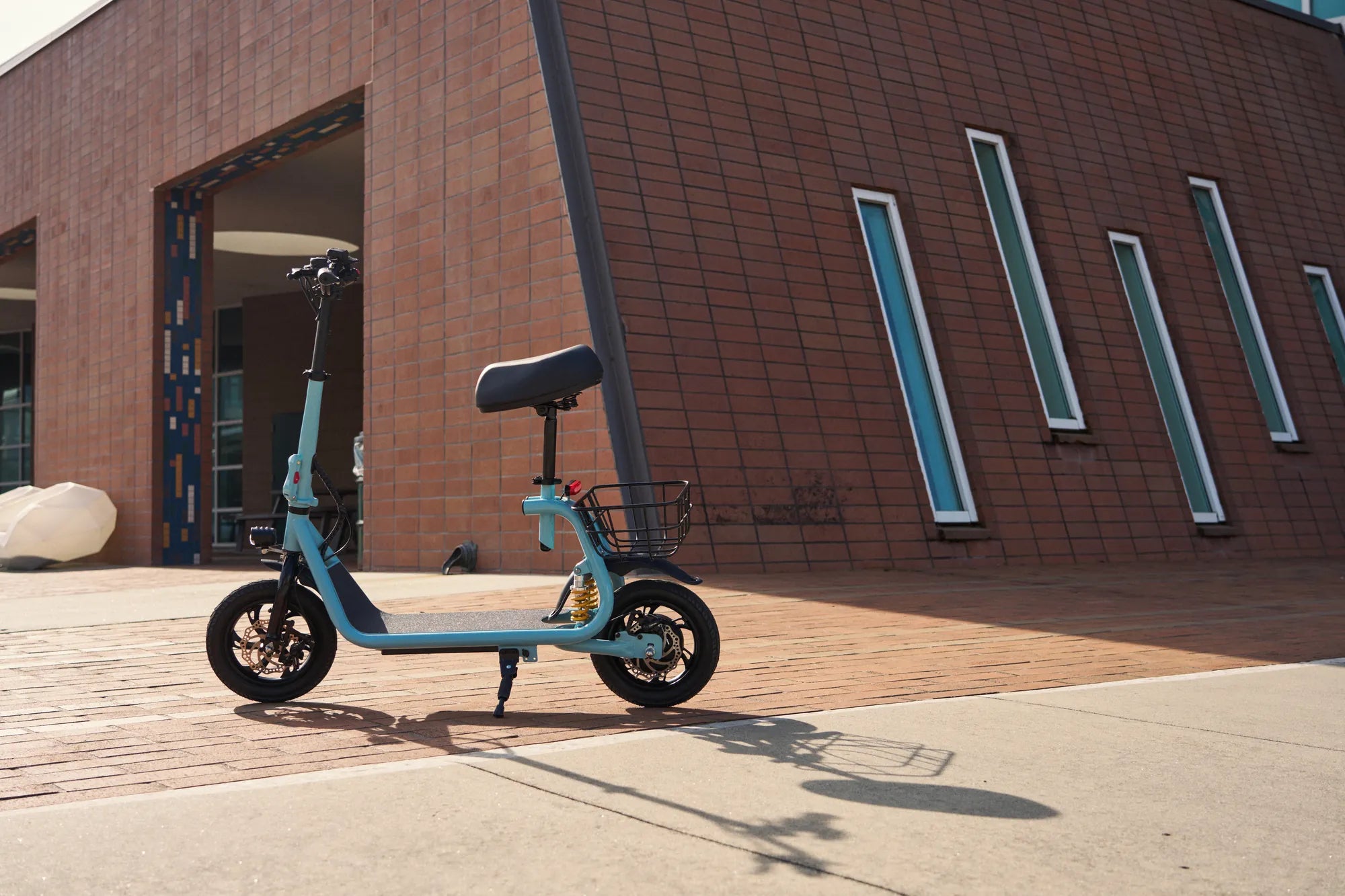
Seeing an E7 error code on your electric scooter can be alarming, especially if you rely on it for daily commutes or leisure rides. This mysterious message often leaves riders puzzled, wondering what went wrong and how to fix it. Don’t worry—we’ve got you covered. In this guide, we’ll break down the possible reasons behind the E7 error and provide actionable solutions to get you back on the road quickly.
What Does the E7 Error Code Mean?
The E7 error code on an electric scooter typically indicates an issue with the motor or its related components. While error codes can vary slightly between manufacturers, E7 commonly points to problems such as:
- Motor overheating
- Motor hall sensor failure
- Wiring or connection issues
- Controller malfunction
Common Causes of the E7 Error
1. Motor Overheating
One of the most frequent triggers for the E7 error is an overheated motor. This can happen if you’ve been riding for extended periods, climbing steep hills, or carrying heavy loads. When the motor exceeds its safe operating temperature, the scooter’s system may shut down to prevent damage.
2. Faulty Hall Sensor
The hall sensors in the motor help regulate speed and ensure smooth operation. If one or more of these sensors fail, the scooter may display an E7 error. Symptoms include jerky acceleration, loss of power, or sudden stops.
3. Wiring or Connector Issues
Loose, damaged, or corroded wires can disrupt communication between the motor and the controller. Check the wiring harness and connectors for visible damage or poor connections.
4. Controller Problems
The controller acts as the brain of your electric scooter, managing power delivery to the motor. If it malfunctions, an E7 error may appear. This could be due to water damage, internal component failure, or electrical surges.
How to Troubleshoot the E7 Error
Step 1: Let the Motor Cool Down
If overheating is the issue, turn off the scooter and allow it to rest for at least 30 minutes. Avoid riding in extreme heat or overworking the motor until the problem is resolved.
Step 2: Inspect the Wiring
Carefully examine the motor cables, connectors, and controller wiring. Look for frayed wires, loose connections, or signs of corrosion. Secure any loose plugs and replace damaged wires.
Step 3: Test the Hall Sensors
Using a multimeter, you can check the hall sensors for proper functionality. If a sensor is faulty, replacing it may resolve the E7 error. Consult your scooter’s manual for specific testing procedures.
Step 4: Reset the Scooter
Sometimes, a simple reset can clear the error code. Turn off the scooter, wait a few minutes, and power it back on. If the E7 persists, further diagnostics may be needed.
Step 5: Check the Controller
If all else fails, the controller might be the culprit. Inspect it for visible damage or burn marks. Replacing the controller is often the last resort but may be necessary for persistent issues.
Preventing the E7 Error in the Future
To avoid encountering the E7 error again, follow these preventive measures:
- Avoid overloading your scooter or riding on steep inclines for prolonged periods.
- Regularly inspect and maintain wiring and connectors.
- Keep the motor and controller dry and free from debris.
- Follow the manufacturer’s recommended maintenance schedule.
Dealing with an E7 error doesn’t have to be a nightmare. By understanding the root causes and following these troubleshooting steps, you can quickly diagnose and fix the issue. Stay proactive with maintenance, and your electric scooter will reward you with reliable performance for miles to come.
Electric Scooter Wh per km 10 kmh: Efficiency and Performance Explained
Electric Fat Tire Scooters 2000-3000 Watt: The Ultimate Off-Road Adventure Machines