



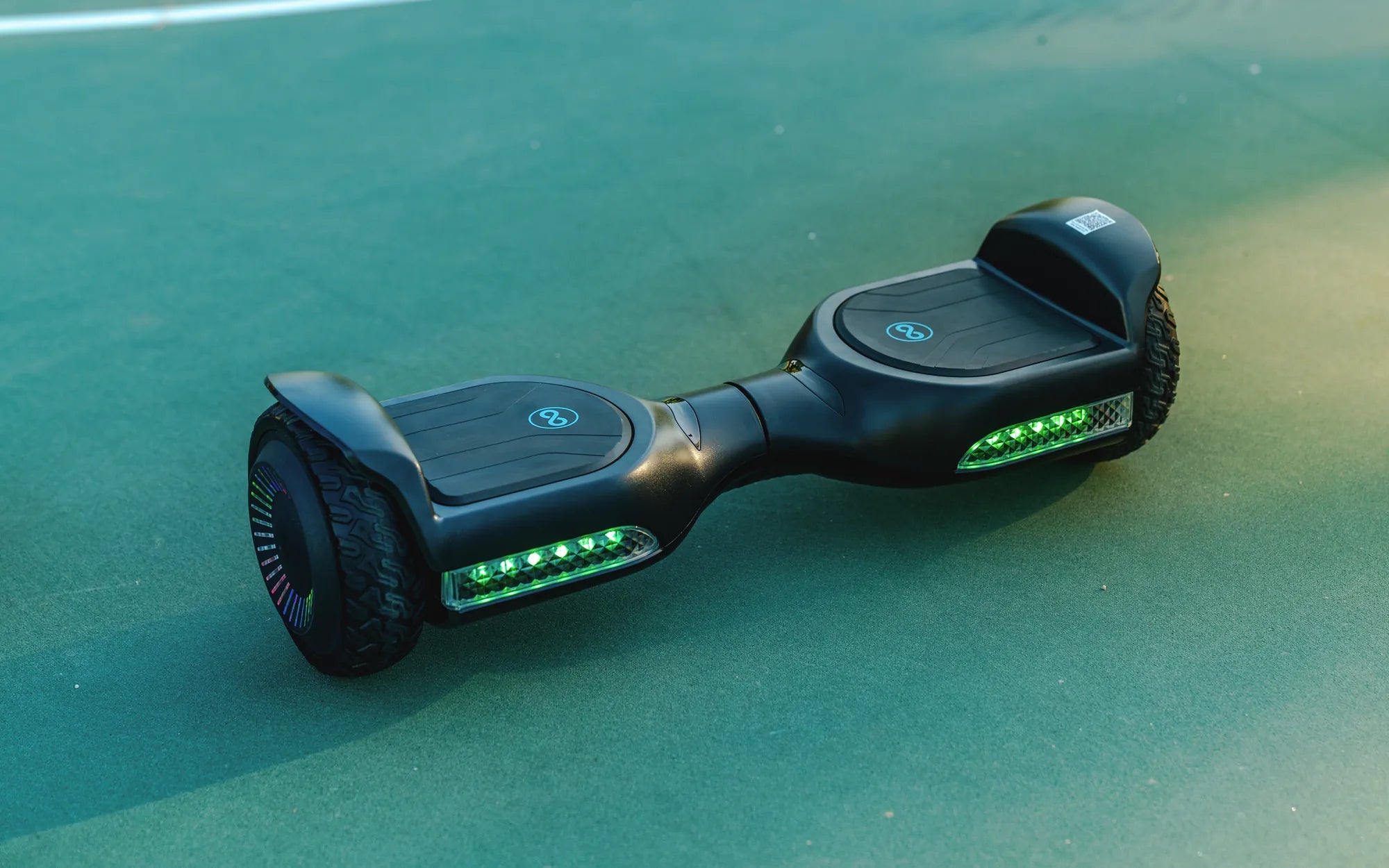
Hoverboards took the world by storm, promising a futuristic way to glide effortlessly. But behind the sleek designs and viral videos lies a dangerous truth—hoverboards can and do explode. If you’ve ever wondered why these self-balancing scooters burst into flames, you’re not alone. The answer involves faulty batteries, poor manufacturing, and overlooked safety standards. Let’s dive into the explosive details.
The Science Behind Hoverboard Explosions
At the heart of every hoverboard is a lithium-ion battery, the same technology found in smartphones and laptops. These batteries are lightweight and powerful, making them ideal for portable devices. However, they come with a major downside—if damaged or poorly made, they can overheat and catch fire. When a hoverboard’s battery fails, it can lead to a chain reaction called thermal runaway, where the heat builds uncontrollably until the battery explodes.
Cheap Manufacturing and Cutting Corners
Many hoverboard explosions stem from low-quality manufacturing. To cut costs, some manufacturers use substandard materials or skip essential safety features. For example, a lack of proper insulation or faulty wiring can cause short circuits, igniting the battery. Additionally, counterfeit or knockoff hoverboards often bypass rigorous testing, increasing the risk of failure.
Overcharging and Poor Battery Management
Another common cause of hoverboard fires is overcharging. Leaving the device plugged in for too long can strain the battery, leading to overheating. A well-designed hoverboard includes a battery management system (BMS) to prevent overcharging, but cheaper models may lack this feature. Without a BMS, the battery can swell, leak, or even explode.
Physical Damage and Rough Handling
Hoverboards are built for movement, but rough handling can damage the battery. Dropping the device or riding it over uneven terrain can puncture the battery casing, exposing the flammable electrolytes inside. Even minor cracks or dents can compromise the battery’s integrity, creating a ticking time bomb.
How to Spot a Dangerous Hoverboard
Not all hoverboards are created equal. To avoid a potential disaster, look for safety certifications like UL 2272, which ensures the device meets rigorous electrical and fire safety standards. Avoid hoverboards with unusually low prices, as they may skimp on quality. Always inspect the battery and charger for signs of damage before use.
Tips for Safe Hoverboard Use
If you own a hoverboard, follow these safety tips to minimize the risk of explosions: Never leave it charging unattended, avoid exposing it to extreme temperatures, and store it in a dry, cool place. Regularly check for signs of wear and tear, and replace the battery if it shows any swelling or leaks.
Hoverboards may look like harmless fun, but their explosive potential is real. By understanding the risks and taking precautions, you can enjoy the ride without fear of going up in flames. Stay informed, stay safe, and keep rolling smoothly.
Where to Find a Hoverboard Charger: The Ultimate Guide
Best Priced Hoverboards: Affordable and High-Quality Options for Every Rider