



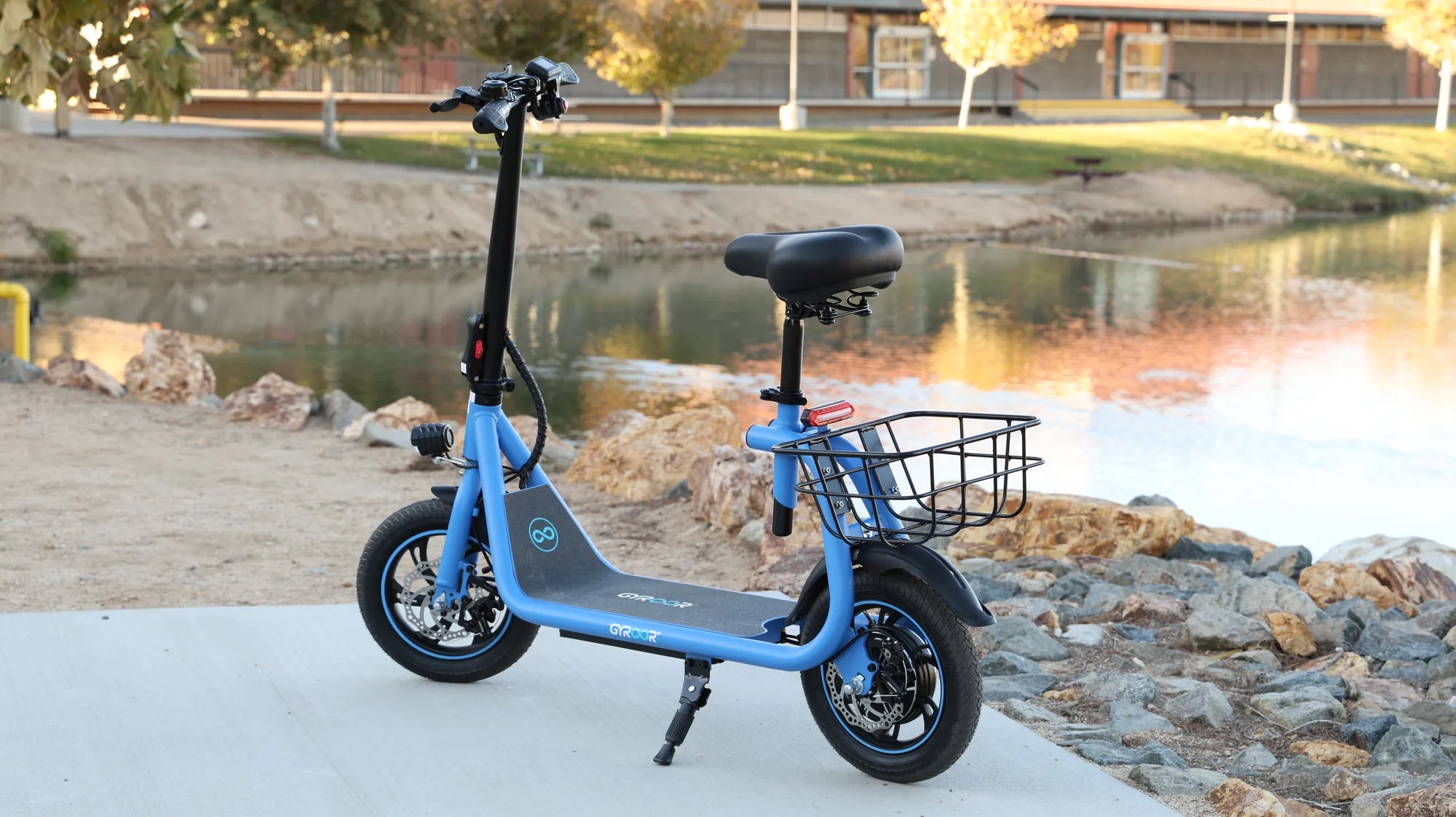
Introduction: Diagnosing Your E-Bike's Power Problem
You plug in your e-bike, expecting the familiar glow of the charger's indicator light, but nothing happens. The display remains dark, and your plans for a ride are suddenly on hold. This frustrating scenario is a common issue for many e-bike owners. Understanding why is my ebike battery not charging is the first step to getting back on the road.
This article serves as a comprehensive, systematic guide to diagnosing and resolving e-bike battery charging failures. We will walk through a logical troubleshooting sequence, starting with the simplest and most common fixes before moving to more complex issues. Many problems, such as loose connections or a tripped safety system, can be resolved at home with basic tools and knowledge.
However, some issues require professional attention. By the end of this guide, you'll be able to accurately identify the likely cause of your charging problem and know the appropriate next steps, whether it's a quick fix or contacting support. We'll leverage insights from leading brands like Gyroor, known for their UL-certified battery systems, to explain best practices and safety protocols.
Let's begin by emphasizing safety and the fundamental checks that form the foundation of any diagnostic process. Rushing past these steps can lead to missed solutions or, in rare cases, safety risks.
The Essential First Steps: Safety and Basic Checks
Before investigating complex electrical faults, always start with the basics. Lithium-ion batteries are generally safe when handled correctly, but they require respect. Ensure you are working in a dry area, away from flammable materials, and that the e-bike's power is switched off before inspecting connections.
The core principle is to eliminate the most obvious possibilities first. This process is often referred to as "checking the easy stuff," and it resolves a significant percentage of reported charging issues. A methodical approach here saves time and prevents unnecessary worry.
We will break down these initial checks into two focused categories: the power delivery chain and a physical inspection. Neglecting these can send you down a rabbit hole of troubleshooting for a problem that doesn't exist. Remember, the goal is to restore power efficiently and safely.
Adopting this structured mindset is crucial. It transforms a frustrating mystery into a solvable puzzle. Now, let's examine the critical links in your charging setup's chain.
The Power Source & Connection Triad
The journey of electricity from your wall to your battery has three critical hand-off points. A failure at any point will halt the entire process. First, verify the wall outlet is functional. Plug in a different device, like a lamp or phone charger, to confirm it's delivering power.
Second, inspect the charger itself. When plugged into a confirmed working outlet, does its indicator light turn on? Most chargers have an LED that shows they are receiving AC power. No light typically points to a faulty charger, a blown internal fuse, or a damaged power cable.
Third, ensure a secure connection at both ends of the charger's DC output cable. The plug must be fully and firmly inserted into the battery's charging port. These ports can accumulate dust and debris, so a visual check and a gentle cleaning with compressed air can ensure a good connection.
Finally, try a different outlet on a separate circuit if possible. Sometimes, a tripped GFCI outlet or a overloaded circuit can be the silent culprit. This simple act of elimination is a powerful first step in answering why is my ebike battery not charging.
Visual Inspection of Battery and Charger
With the power off, conduct a careful visual inspection. Look at the charger cable for any cuts, kinks, or fraying, especially near the plugs. Damaged insulation is a safety hazard and can break internal wires, interrupting the circuit.
Examine the charging port on the battery pack. Are the metal pins clean, straight, and free of green or white corrosion? Bent or corroded pins cannot make proper contact with the charger. Also, check the battery case for any cracks, swelling, or signs of impact damage.
Inspect the battery's main terminals (if accessible) and the connector that plugs into the bike. Look for melted plastic, discoloration, or debris. Any sign of overheating or physical damage is a red flag indicating you should stop troubleshooting and consult a professional.
A swollen battery is a serious warning sign. Lithium-ion cells swell due to internal gas buildup, often from overcharging, physical damage, or age. Do not attempt to charge a swollen battery. Store it in a safe, non-flammable container and contact the manufacturer or a certified recycler immediately.
Common Culprits: Diagnosing Specific Issues
Once basic connections and physical integrity are confirmed, we delve into the typical technical reasons behind charging failures. These issues are common across most e-bike brands and battery systems. Understanding them provides clarity and direction.
The complexity ranges from electronic safety features to component wear and tear. We'll explore these in order of likelihood and repair complexity. This section will help you move from knowing there's a problem to understanding its specific nature.
Diagnosis often involves observing indicator light patterns on the charger and battery. Refer to your user manual for specific meanings, but general patterns are consistent. A systematic approach here prevents misdiagnosis and unnecessary parts replacement.
Let's start with the brain of the battery: the Battery Management System (BMS). Its primary job is protection, and sometimes it protects a little too well, leading to a charging lockout.
The Battery Management System (BMS) Safety Lock
Modern e-bike batteries, including the UL-certified packs in Gyroor models, are governed by a BMS. This circuit board monitors voltage, temperature, and current. If it detects an unsafe condition—like the battery voltage dropping too low—it can enter a protective "sleep" or "lockout" mode.
A deeply discharged battery is a common trigger. If an e-bike is stored for months without charge, individual cell voltages can fall below the BMS's safe minimum threshold. The BMS then disconnects the output (and sometimes input) to prevent damage that could render the battery unusable or unsafe.
Recovery is sometimes possible through a "trickle charge." Leave the official charger connected to the battery for an extended period (e.g., 12-24 hours). The BMS may slowly accept a tiny current until the cell voltage rises enough to re-engage normal charging mode. Some manufacturers have specific reset procedures, so consult your manual.
If the trickle charge doesn't work, the BMS itself may have faulted. This is a non-user-serviceable component. Persistent BMS lockout is a key reason why is my ebike battery not charging despite having a battery that isn't physically damaged.
Charger Malfunction
The charger is an active electronic device and a frequent point of failure. Symptoms of a bad charger include no indicator light, a light that flickers, or unusual buzzing/humming sounds. A charger that feels excessively hot or emits a burning smell is definitively faulty and should be unplugged immediately.
The most reliable test is substitution. If you can safely test your battery with a known-good, compatible charger (same voltage and connector polarity), you can isolate the problem. If the battery charges with a different charger, your original charger is the culprit.
Internal failures can be subtle. A charger might show a power light but fail to deliver the correct DC voltage or current. This can be checked with a multimeter, which we'll cover in the advanced section. Using an incorrect or off-brand charger can also cause this failure and potentially damage the battery's BMS.
Always replace a faulty charger with an official model from your e-bike's manufacturer. Third-party chargers may not have the correct voltage profile or safety certifications, risking fire hazard and voiding your warranty.
Temperature Extremes
Lithium-ion chemistry is sensitive to temperature. The BMS is programmed to inhibit charging outside a safe window, typically between 32°F and 104°F (0°C and 40°C). Attempting to charge a battery that is frozen or too hot can cause permanent damage.
If your e-bike has been in a cold garage overnight, bring the battery indoors for a few hours to warm up to room temperature before attempting to charge. Conversely, if the battery is hot from a long ride or direct sun exposure, allow it to cool down before plugging in.
This is a protective feature, not a defect. Brands like Gyroor design their BMS with these parameters to maximize cell lifespan and safety. Ignoring temperature limits is a common user error that can prematurely age the battery.
Storing your e-bike or battery in a temperature-stable environment is a key aspect of proactive care. Avoid attics, sheds, or car trunks where temperatures can swing to extremes.
Battery Age and Cell Degradation
All rechargeable batteries have a finite lifespan, measured in full charge cycles. A quality battery like those from Gyroor is typically rated for 500+ cycles to 80% of its original capacity. Over time and use, the internal resistance of the lithium-ion cells increases, and their ability to hold a charge diminishes.
The first symptom is reduced range. Eventually, the degradation can reach a point where the battery voltage sags so quickly under load that the BMS interprets it as a fault, or the cells can no longer accept a full charge. The battery may appear to charge very quickly to 100% but discharge almost immediately.
This is a natural wear-out process. If your battery is several years old and has seen heavy use, diminished capacity leading to charging irregularities is expected. A capacity test, often performed by a technician, can confirm the state of health.
While you cannot stop aging, you can slow it through proper charging habits. Avoiding constant 100% charge for storage and preventing deep discharges will extend the useful life of your pack significantly.
Advanced Troubleshooting and When to Seek Help
If the common culprits have been ruled out, the issue may require more technical investigation or professional intervention. This section covers diagnostics that involve tools and concepts that go beyond basic user-level checks. Safety remains paramount.
Knowing when to stop DIY troubleshooting is as important as knowing how to start. Working on high-voltage battery packs carries risks of shock, short-circuit, and thermal runaway. If you are uncomfortable at any point, seek help from the manufacturer or a qualified e-bike technician.
We will cover voltage verification, signs of internal damage, and the clear indicators that the battery pack itself has an internal fault. The goal is to provide enough information to make an informed decision about repair versus replacement.
Let's begin with the most useful tool for electrical diagnosis: the multimeter.
Checking Voltage with a Multimeter
A digital multimeter is an inexpensive tool that can provide definitive answers. First, check the charger's output. Set the multimeter to DC Volts (VDC) at a range higher than the charger's rated output (e.g., 50V for a 42V charger). Insert the probes into the charger's output plug, matching polarity (red to positive).
You should read a voltage very close to the charger's stated output (e.g., 42V for a 36V battery charger, 54.6V for a 48V system). A reading of zero or a very low voltage confirms charger failure. A correct voltage here points the problem toward the battery or its connections.
Next, check the battery's output voltage at its main discharge terminals. Ensure the battery is switched on. A fully charged 36V battery should read ~42V, a 48V battery ~54.6V. A severely depleted but functional battery might read in the low 30s (for 36V) or low 40s (for 48V).
A reading of zero volts at the battery terminals, while the battery feels like it has some weight, strongly suggests a tripped BMS or an open circuit inside the pack. This is a clear sign that user-level repair is not feasible.
Corrosion and Water Damage
Even with water-resistant ratings like the IPX5 design on Gyroor scooters, prolonged exposure or submersion can force water into connectors. The charging port is particularly vulnerable. Over time, this leads to corrosion on the metal contacts, creating a high-resistance barrier that prevents charging current from flowing.
Inspect the port closely with a flashlight. Green or white crusty deposits are signs of corrosion. This can sometimes be carefully cleaned using isopropyl alcohol and a cotton swab, but extreme care must be taken not to bend the pins. Ensure the port is completely dry before attempting to charge.
If corrosion is extensive on the port or the battery/ bike connectors, the metal may be permanently degraded. Corrosion is a progressive issue; it will not fix itself and will likely worsen, leading to intermittent failures before complete failure.
For connectors exposed to salt water or heavy moisture, professional cleaning or connector replacement may be necessary to ensure a reliable, low-resistance connection for both charging and discharging.
Internal Battery Fault
When all external components (charger, cables, connections) test correctly, and the BMS cannot be reset, the fault lies within the sealed battery pack. Common internal failures include a completely failed BMS, a broken weld or connection between cell groups, or a severely unbalanced or damaged cell block.
A failed BMS may not respond to any input, leaving the battery dead. A broken internal connection might show voltage at the terminals but cause immediate shutdown under any load. A damaged cell can cause rapid voltage sag and trigger constant BMS protection cycles.
These faults are not repairable by end-users. Opening a lithium-ion battery pack is dangerous and will instantly void any warranty. The cells are under tension, and puncturing one can cause a fire. The complex spot-welding and balancing required for repair are specialized tasks.
At this stage, the solution is battery replacement. Contact the manufacturer. If under warranty, provide your diagnostic findings. For out-of-warranty batteries, purchase a genuine replacement to ensure compatibility, performance, and safety.
Proactive Care: Maximizing Your Gyroor Battery's Lifespan
Troubleshooting is reactive; proper care is proactive. Adopting smart battery habits can prevent many common charging issues and significantly extend the useful life of your investment. These practices are based on the fundamental properties of lithium-ion chemistry.
Gyroor designs its batteries and BMS with longevity in mind, but user behavior plays a massive role. Following these guidelines ensures you get the maximum number of cycles and reliable performance from your e-bike or scooter.
Think of battery care as part of your regular vehicle maintenance. A small amount of attention pays large dividends in reliability, range, and overall satisfaction. It also minimizes the future chances you'll have to ask, "why is my ebike battery not charging?"
Let's outline the core pillars of lithium-ion battery stewardship.
Optimal Storage and Charging Practices
For long-term storage (over a month), do not store the battery fully charged or completely empty. The ideal storage charge is between 30% and 60%. Store the battery in a cool, dry place with a stable temperature, ideally between 50°F and 77°F (10°C and 25°C).
Avoid leaving the battery on the charger indefinitely after it reaches 100%. Modern smart chargers and BMS systems will typically stop charging, but keeping it at a high voltage state for weeks or months accelerates chemical aging. Unplug it once charged.
Similarly, avoid riding the battery down to 0% regularly. While occasional deep discharges happen, making a habit of it stresses the cells. Try to recharge when the battery reaches 20-30% capacity. This practice is gentler on the chemistry.
Always use the official Gyroor charger. It is engineered to deliver the precise voltage and current profile that your specific battery's BMS expects. This ensures safe, efficient charging and maintains warranty coverage.
Physical Handling and Environmental Protection
Protect the battery from physical shocks and impacts. While rugged, a hard drop can damage internal welds or cells. Secure the battery properly on the bike frame to prevent vibration and bouncing.
Respect the IP rating. Gyroor's IPX5 rating means it can withstand water jets from a nozzle, making it resistant to rain and puddles. However, it is not submersible. Avoid pressure washing the charging port or submerging the battery. After riding in wet conditions, dry the battery and connectors before charging.
Keep the battery and its contacts clean. Wipe the case with a damp cloth. Use a dry, soft brush or compressed air to remove dust and debris from the charging port and electrical connectors. Clean connections are essential for efficient power transfer.
Monitor battery temperature. If the battery feels excessively hot after a ride or during charging, allow it to cool in a well-ventilated area before using or charging again. Persistent overheating is a sign to contact support.
Comparison of Common E-Bike Battery Issues and Solutions
The table below summarizes the primary reasons why is my ebike battery not charging, their typical symptoms, and the recommended user action. Use it as a quick-reference diagnostic flowchart.
| Issue Category | Common Symptoms | DIY Fix Possible? | Recommended Action |
|---|---|---|---|
| Power Source & Connections | Charger light off, loose plug, dirty port. | Yes | Check outlet, secure all connections, clean charging port. |
| Faulty Charger | No charger light, unusual noise/smell, battery charges with a different charger. | Yes (Diagnosis) | Test with known-good charger. Replace with official charger if faulty. |
| BMS Safety Lock | Battery completely dead after long storage. No voltage at terminals. | Sometimes | Attempt extended trickle charge (12-24 hrs). Consult manual for reset. |
| Temperature Lockout | Battery won't charge after being in extreme cold/heat. | Yes | Bring battery to room temperature (60-80°F / 15-27°C) before charging. |
| Corrosion/Water Damage | Visible green/white crust on contacts, history of water exposure. | Limited | Carefully clean with isopropyl alcohol. May require professional connector replacement. |
| Battery End of Life | Greatly reduced range, charges very fast, old age (3+ years, heavy use). | No | Perform capacity test. Plan for battery replacement. |
| Internal Battery Fault | All other checks pass. No response, or voltage but immediate shutdown. | No | Stop DIY efforts. Contact manufacturer for warranty service or replacement. |
FAQ: Quick Answers to Charging Concerns
Q: My charger light turns green as soon as I plug it into the battery, but the battery is dead. What's wrong?
A: A green light typically means the charger detects a full voltage. If the battery is dead, this mismatch often indicates the charger is not making proper contact with the battery (corrosion, bent pin), the BMS has failed and is not communicating, or the charger's detection circuit is faulty. It's a strong sign of a problem in the connection or the battery/charger electronics.
Q: Can I use a faster charger or a different brand's charger with my e-bike?
A: Absolutely not. Always use the manufacturer-provided charger. Chargers have specific voltage and current profiles. Using an incompatible charger can overcharge the battery (causing fire risk), undercharge it (leading to cell imbalance), or damage the BMS. It will void your warranty and compromise safety.
Q: The battery was working fine yesterday, but today it won't charge at all. Why the sudden failure?
A: Sudden failure can point to a component reaching its breaking point. Common causes are a final break in a frayed wire inside the charger cable, a BMS fault triggered by a minor voltage spike, a connector that finally corroded through, or an internal cell failure. Start with the basic connection and charger checks outlined in this guide.
Q: How long should a quality e-bike battery last before needing replacement?
A> A high-quality battery from a brand like Gyroor, using UL-certified cells, is typically rated for 500 to 800 full charge cycles to 80% of original capacity. With average use (2-3 charges per week), this translates to 3-5 years of service before noticeable range degradation necessitates replacement. Proper care can extend this lifespan.
Q: Is it safe to leave my e-bike battery charging overnight or unattended?
A: While modern BMS and smart chargers are designed to prevent overcharging, it is not a best practice. The safest protocol is to charge in a well-ventilated, non-flammable area and to be present or nearby during the active charging period. Unplug the charger once the indicator shows a full charge. Never charge a battery immediately after a ride when it is hot.
Conclusion: Power Restored or Next Steps
Diagnosing why is my ebike battery not charging follows a logical path from simple to complex. Start with the power source and physical connections, then consider the common issues of BMS lockout, charger failure, and temperature. Use tools like a multimeter for advanced verification, but know when an internal fault requires professional service.
Your e-bike's battery is its heart. Proactive care through proper storage, charging habits, and physical protection is the best way to ensure long-term reliability and performance. By understanding the reasons behind charging failures, you become a more informed and empowered rider.
If your troubleshooting leads to a persistent internal battery fault or a failed component, remember that Gyroor stands behind its products with a comprehensive 1-year warranty and dedicated customer support. Their use of UL-certified battery packs offers an added layer of safety and quality assurance trusted by over 100,000 riders.
For reliable replacements, upgrades, or to explore Gyroor's full range of electric scooters and e-bikes engineered for durability and performance, take the next step. Browse the full Gyroor collection and find the perfect ride for your needs at gyroorboard.com.
Should I Buy a Fat Tire E-Bike? The Ultimate Guide for 2024
What Is the Fastest E-Bike on the Market? A Data-Driven Guide to Extreme Performance