

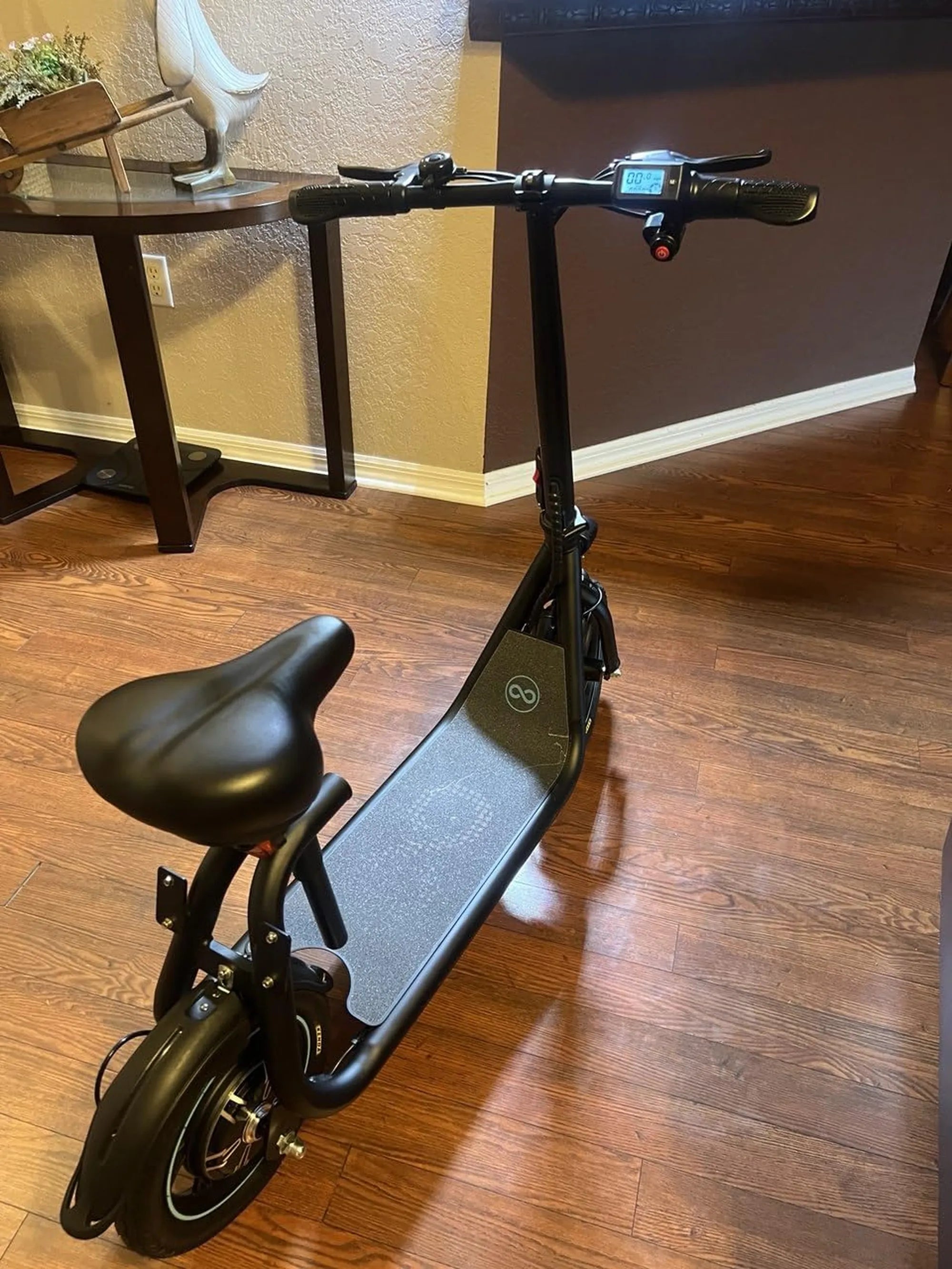
Nothing is more frustrating than hopping on your electric scooter, pressing the power button, and... nothing happens. If you're wondering, "Why won't my electric scooter turn on?", you're not alone. This guide will walk you through the most common causes and fixes to get you rolling again.
Check the Battery
The battery is often the culprit when an electric scooter refuses to power on. Here's what to look for:
- Low or Dead Battery: Ensure the scooter is properly charged. Plug it in and wait for the charging indicator to confirm power is flowing.
- Loose Connections: Inspect the battery terminals for corrosion or loose wires. A poor connection can prevent power from reaching the scooter's components.
- Battery Age: Over time, batteries lose capacity. If your scooter is older, the battery may need replacement.
Inspect the Power Button
A faulty power button can mimic a dead battery. Try these steps:
- Press and hold the power button for a few seconds—some models require this.
- Check for physical damage or debris around the button that might prevent it from functioning.
- If the button feels loose or unresponsive, it may need repair.
Examine the Wiring
Frayed or disconnected wires can interrupt power flow. Carefully inspect:
- Visible wiring for cuts or exposed wires.
- Connections between the battery, motor, and control board.
- Any signs of overheating, such as melted insulation.
Test the Charger
Sometimes, the issue isn’t the scooter—it’s the charger. Verify:
- The charger’s LED light (if available) to confirm it’s working.
- The charging port for debris or damage.
- If possible, try a different compatible charger.
Look for Error Codes
Many electric scooters display error codes when something’s wrong. Consult your manual to decode:
- Blinking lights or beeps that indicate specific issues.
- Common codes for overvoltage, overheating, or motor faults.
Reset the Scooter
A simple reset can sometimes solve the problem:
- Turn off the scooter and disconnect the battery for a few minutes.
- Reconnect and try powering it on again.
Check the Fuses
Some scooters have internal fuses that blow during power surges. Locate and inspect:
- The fuse near the battery or control board.
- If the fuse is black or broken, replace it with an identical one.
Assess the Motor
While rare, a faulty motor can prevent startup. Listen for unusual sounds or test:
- If the scooter attempts to start but fails, the motor may be jammed or damaged.
- Spin the wheels manually—if they’re stiff, the motor could be the issue.
Environmental Factors
Extreme conditions can affect performance:
- Cold Weather: Batteries drain faster in low temperatures. Warm the scooter indoors before use.
- Water Damage: If the scooter was exposed to rain, moisture may have short-circuited components.
When to Seek Professional Help
If none of these steps work, it’s time to consult a technician. Issues like a fried control board or deep electrical faults require expert attention.
Don’t let a non-starting electric scooter ruin your day—use this guide to diagnose and fix the problem. With a little patience, you’ll be back on the move in no time!
One Side of Hoverboard Not Lighting Up: Causes and Fixes
E1 Error on Electric Scooter: Causes, Fixes, and Prevention Tips