


Ever wondered if your hoverboard can glide effortlessly over grass like it does on smooth pavement? The idea of cruising across a lush lawn sounds thrilling, but the reality might not be as simple. Let’s explore whether hoverboards can truly conquer grassy terrains and what factors come into play.
How Hoverboards Work
Hoverboards, also known as self-balancing scooters, rely on a combination of gyroscopic sensors, electric motors, and wheels to maintain balance and movement. The device detects shifts in the rider’s weight and adjusts the speed and direction accordingly. However, these mechanisms are optimized for flat, hard surfaces like concrete or asphalt.
Challenges of Using Hoverboards on Grass
Grass presents several obstacles for hoverboards. The uneven surface, varying terrain, and potential moisture can disrupt the board’s performance. Here are the key challenges:
- Uneven Terrain: Grass often has bumps, holes, or slopes that can destabilize the hoverboard.
- Traction Issues: The wheels may struggle to grip grassy surfaces, leading to slippage or loss of control.
- Battery Drain: Navigating rough terrain requires more power, which can drain the battery faster.
- Motor Strain: The motors may overheat or wear out quicker when forced to work harder on grass.
Can Hoverboards Adapt to Grass?
While standard hoverboards aren’t designed for grass, some models with larger wheels or all-terrain capabilities may perform better. These hoverboards often feature:
- Larger Wheels: Bigger wheels can navigate uneven ground more effectively.
- Enhanced Motors: More powerful motors provide the extra torque needed for grassy surfaces.
- Durable Build: Reinforced frames and waterproofing can withstand outdoor conditions.
Tips for Using Hoverboards on Grass
If you’re determined to take your hoverboard for a spin on grass, follow these tips to improve your chances of success:
- Choose the Right Model: Opt for hoverboards labeled as "all-terrain" or "off-road."
- Check the Grass Condition: Short, dry grass is easier to ride on than long or wet grass.
- Start Slow: Practice at low speeds to get a feel for the terrain.
- Monitor Battery Life: Be prepared for shorter ride times due to increased power consumption.
Safety Considerations
Riding a hoverboard on grass comes with risks. Always prioritize safety by:
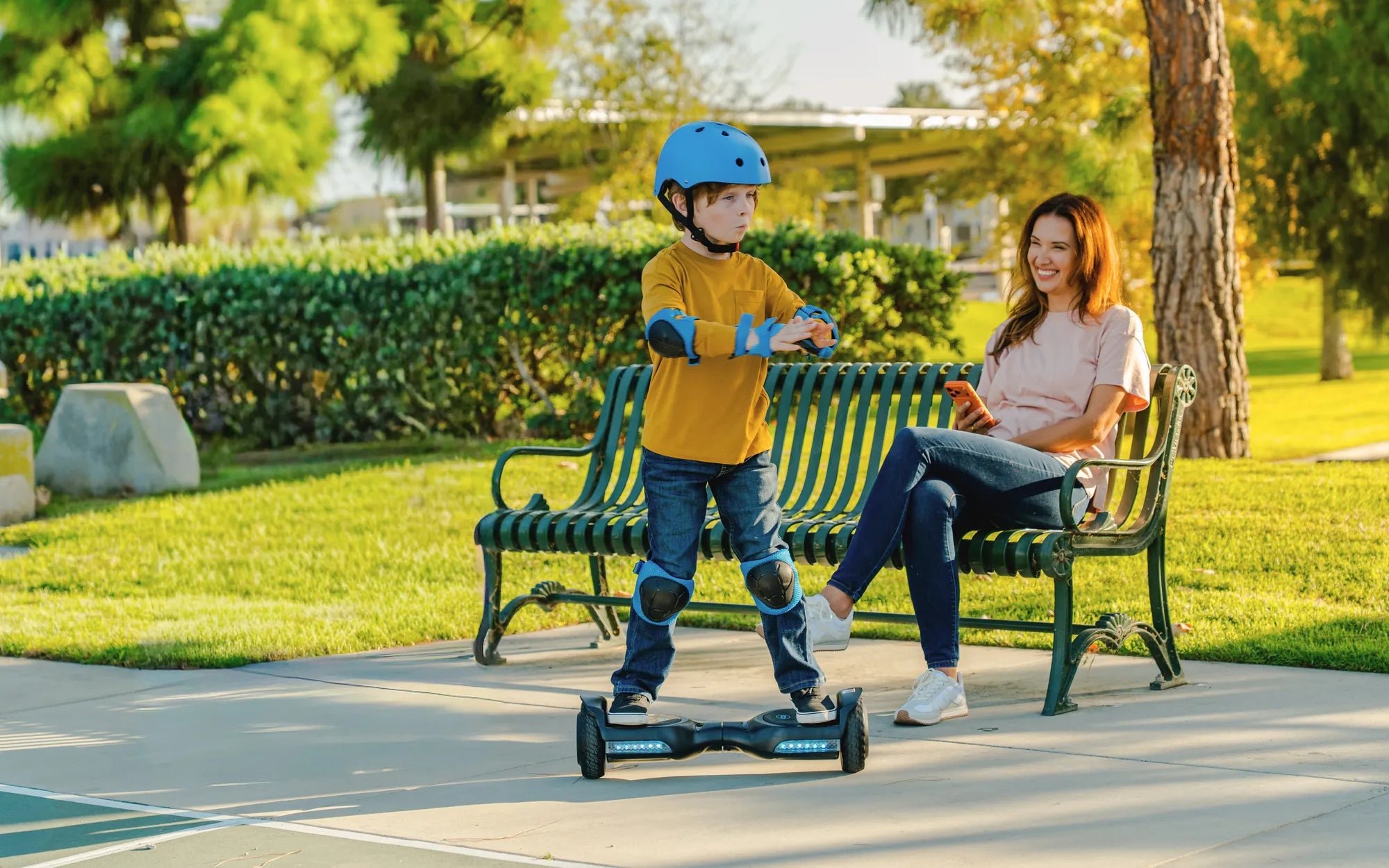
- Wearing Protective Gear: Helmets, knee pads, and elbow pads can prevent injuries.
- Avoiding Steep Slopes: Grass-covered hills can be particularly dangerous.
- Staying Alert: Watch for hidden obstacles like rocks or tree roots.
So, will hoverboards work on grass? The answer isn’t a simple yes or no. While standard models may struggle, specialized hoverboards can handle grassy terrains with caution. Whether you’re aiming for a backyard adventure or a park ride, understanding the limitations and preparing accordingly will make your experience smoother—and safer. Ready to take your hoverboard off the beaten path? Just remember to ride smart!
Shiny Hoverboards: The Future of Personal Transportation
Are Hoverboards Possible? Exploring the Future of Levitating Transportation