

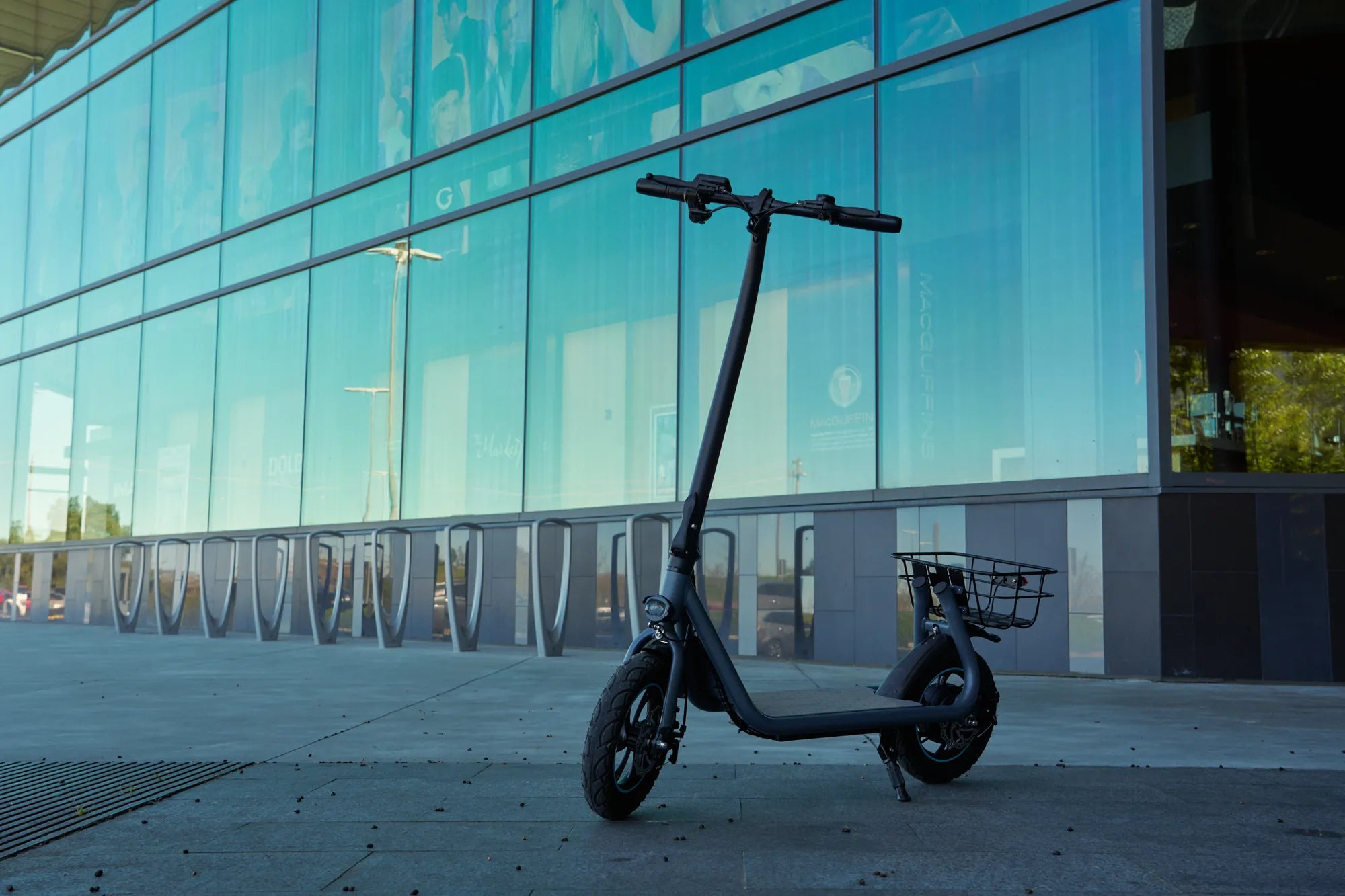
Electric scooters have taken the world by storm, offering a convenient, eco-friendly, and cost-effective way to navigate urban landscapes. But have you ever wondered how these sleek machines actually work? From the moment you press the throttle to the instant you come to a stop, a complex interplay of components ensures a seamless ride. Let’s dive into the fascinating mechanics behind the working of electric scooters.
The Core Components of an Electric Scooter
At the heart of every electric scooter are several key components that work in harmony to deliver power, control, and safety. Understanding these parts is essential to grasping how the scooter functions.
1. The Electric Motor
The electric motor is the powerhouse of the scooter, converting electrical energy from the battery into mechanical energy to propel the vehicle forward. Most scooters use either a hub motor (integrated into the wheel) or a chain-driven motor. Hub motors are quieter and require less maintenance, while chain-driven systems offer more torque for uphill climbs.
2. The Battery Pack
Lithium-ion batteries are the most common power source for electric scooters due to their high energy density and long lifespan. The battery stores electricity and supplies it to the motor, with its capacity determining the scooter’s range. Advanced battery management systems (BMS) ensure safe charging and discharging, preventing overheating and overcharging.
3. The Controller
Acting as the brain of the scooter, the controller regulates the flow of electricity from the battery to the motor. It interprets signals from the throttle and braking system, adjusting the motor’s speed and power output accordingly. This ensures smooth acceleration and deceleration.
4. The Throttle and Braking System
The throttle, usually a twist-grip or thumb lever, sends signals to the controller to increase or decrease speed. Meanwhile, the braking system—often a combination of electronic and mechanical brakes—ensures safe stopping. Regenerative braking can even recharge the battery slightly by converting kinetic energy back into electricity.
5. The Frame and Wheels
The scooter’s frame provides structural support, while the wheels (often pneumatic or solid) absorb shocks and ensure stability. Suspension systems may also be present to enhance ride comfort on uneven terrain.
How an Electric Scooter Works: Step by Step
Now that we’ve covered the key components, let’s explore how they interact to make the scooter move.
Step 1: Powering On
When you turn on the scooter, the battery supplies power to the controller, which initializes the system. The dashboard or display lights up, showing battery level, speed, and other metrics.
Step 2: Accelerating
Pressing the throttle sends a signal to the controller, which adjusts the voltage and current sent to the motor. The motor then spins the wheel, propelling the scooter forward. The harder you press the throttle, the more power is delivered, resulting in faster acceleration.
Step 3: Maintaining Speed
Once at cruising speed, the controller modulates power to maintain a consistent pace. Sensors monitor speed and battery usage, ensuring optimal efficiency.
Step 4: Braking
Engaging the brakes triggers the braking system, which may include disc brakes, drum brakes, or regenerative braking. The controller reduces power to the motor, and friction or electromagnetic resistance slows the scooter down.
Step 5: Shutting Down
Turning off the scooter cuts power from the battery to all systems. Some models may enter a low-power standby mode to preserve battery life.
Advantages of Electric Scooters
Understanding the working of electric scooters highlights their many benefits:
- Eco-Friendly: Zero emissions make them a green alternative to gas-powered vehicles.
- Cost-Effective: Lower maintenance and fuel costs compared to traditional scooters or cars.
- Convenient: Lightweight and portable, ideal for short commutes and last-mile travel.
- Quiet Operation: Electric motors produce minimal noise, reducing urban sound pollution.
Common Maintenance Tips
To keep your electric scooter running smoothly, follow these maintenance practices:
- Regularly check tire pressure and tread wear.
- Keep the battery charged but avoid overcharging.
- Clean the scooter to prevent dirt buildup in moving parts.
- Inspect brakes and cables for wear and tear.
Electric scooters are more than just a trendy mode of transportation—they’re a marvel of modern engineering. By understanding the working of electric scooters, you can appreciate the technology that powers your ride and make informed decisions about usage and maintenance. Whether you’re a daily commuter or a weekend explorer, knowing how your scooter works ensures a safer, smoother, and more enjoyable journey.
Rider Electric Scooter Price: A Comprehensive Guide to Costs and Value
45kph Electric Scooter: The Ultimate Guide to Speed, Safety, and Performance