


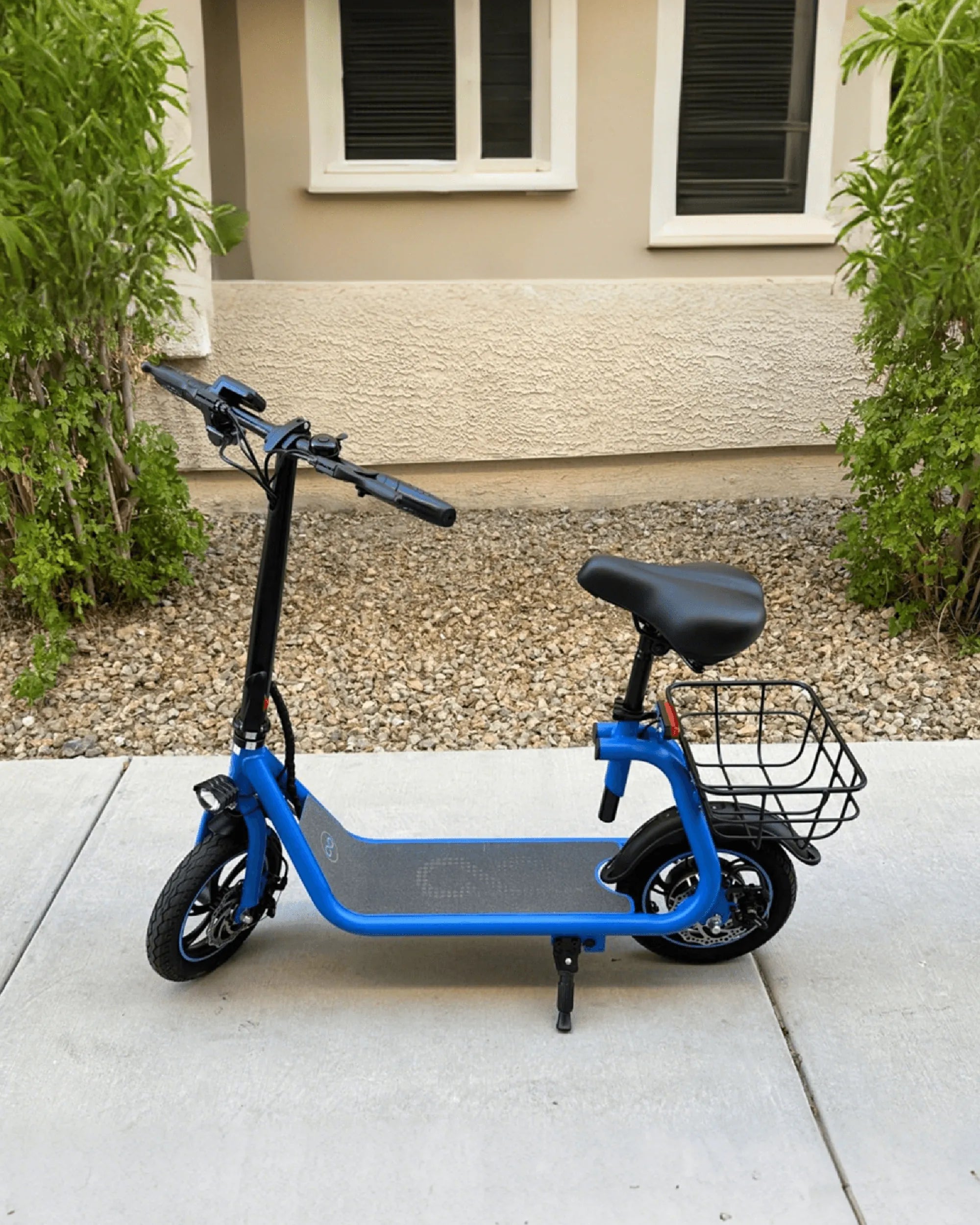
Introduction to Scooter Body Design for Young Riders
When evaluating an electric scooter, most young riders focus on top speed and range. The true foundation of a safe, enjoyable ride, however, is the young scooter body. This term refers to the scooter's physical architecture: its frame geometry, deck dimensions, weight distribution, and overall ergonomics.
For teens and young adults, these elements are not mere specifications. They directly influence control, stability, and long-term comfort. A poorly designed body can make a powerful scooter feel unwieldy and unsafe, while a well-engineered frame can transform a modest scooter into a reliable daily companion.
This guide moves beyond motor wattage to examine the structural core. We will analyze how the right young scooter body design mitigates risk, enhances the riding experience, and protects your investment. Understanding these principles is the first step toward making an informed, safety-first purchase.
Key Factors in a Youth-Optimized Scooter Body
An optimized scooter body for younger riders is a symphony of engineering choices. Each component must work in harmony to provide a ride that is both exhilarating and secure. The goal is to build confidence through control.
Manufacturers achieve this by prioritizing specific design parameters. These parameters ensure the scooter is manageable at various skill levels and resilient to the demands of urban commuting. Let's dissect the most critical elements.
Frame Geometry & Weight Distribution
The frame is the scooter's skeleton. Its geometry dictates handling characteristics. A lower center of gravity, achieved by placing the battery pack low in the deck, dramatically increases stability, especially during turns.
A manageable wheelbase—the distance between the front and rear axles—is crucial. A shorter wheelbase offers sharper agility, while a slightly longer one provides better high-speed stability. For young riders, a balanced wheelbase prevents the twitchiness that can lead to loss of control.
Material choice is equally vital. Aerospace-grade aluminum alloys offer an excellent strength-to-weight ratio. This keeps the overall young scooter body light enough for portability—essential for carrying up stairs or onto public transport—without sacrificing durability.
Deck Size, Grip, and Foot Placement
The deck is your platform for the entire ride. A deck that is too narrow or short forces an uncomfortable, staggered stance, compromising balance. A sufficient deck allows riders to place their feet side-by-side or make minor adjustments comfortably.
Industry data suggests a minimum deck width of 6.5 inches and length of 18 inches for safe, stable footing for most riders. The surface must feature advanced, diamond-pattern grip tape or a textured, rubberized coating.
This high-friction surface is a primary safety feature. It ensures feet stay planted during acceleration, braking, and when riding over bumps. A slippery deck is a significant hazard, especially in wet conditions.
Adjustable Handlebars and Stem
Proper ergonomics reduce fatigue and increase control. Adjustable handlebars allow a scooter to adapt to a growing rider's height, ensuring a proper, upright posture. The ideal position allows for a slight bend in the elbows, promoting relaxed control.
The stem—the tube connecting the handlebars to the front fork—must also be robust. A reinforced stem with a secure locking mechanism eliminates dangerous wobble at speed. Some designs incorporate folding mechanisms here, but the primary focus must always be on rigidity and safety when extended.
Suspension and Wheel Size for Urban Terrain
City streets are full of vibrations and impacts. A rigid young scooter body transmits every crack and pebble directly to the rider, causing discomfort and reducing tire contact with the road.
A front or dual spring suspension system acts as a shock absorber. It smoothens the ride, improves handling on rough surfaces, and reduces strain on the frame. For wheel size, larger air-filled tires (8.5 inches or 10 inches) offer superior shock absorption and stability compared to smaller, solid tires.
The combination of suspension and pneumatic tires creates a safer, more comfortable ride. It allows young riders to maintain control and focus on the path ahead, rather than bracing for the next bump.
Safety and Durability: Non-Negotiables for Young Riders
The physical build of a scooter is its first line of defense. A durable body protects the rider from mechanical failure and the scooter's electronics from environmental damage. This makes safety and durability inseparable from design quality.
Cutting corners on materials or construction to hit a lower price point directly compromises rider safety. For young riders who may be less experienced, a robust and predictable machine is paramount. The following elements are non-negotiable.
The Role of Build Quality and Materials
High-quality welding at critical joints—where the stem meets the deck, for instance—prevents catastrophic frame failure. Frames should be constructed from certified materials, like 6061-T6 aluminum, known for its toughness and corrosion resistance.
Stress points should be visibly reinforced. The deck should not flex noticeably under weight. A well-built frame doesn't just survive a crash; it helps prevent one by maintaining structural integrity during hard braking and aggressive maneuvers, ensuring the young scooter body behaves predictably.
Integrated Safety Features in the Design
True safety is designed in, not added on. Integrated lighting is a prime example. A bright headlight, a responsive brake light, and side or deck LEDs are essential for visibility. These should be wired into the scooter's system, not clamped on as vulnerable afterthoughts.
The braking system must be redundant and reliable. A combination of an electronic (regenerative) brake and a mechanical (disc or drum) brake provides fail-safe stopping power. Wide fenders that actually block spray and a loud, electronic horn are further examples of integrated safety thinking.
Why Gyroor's Design Philosophy Prioritizes the Rider's Body
At Gyroor, engineering begins with the rider. The design philosophy centers on creating a harmonious connection between the young scooter body and the person riding it. This human-centric approach results in scooters that feel intuitive, secure, and built to last.
With over 100,000 riders trusting the brand across North America and Europe, Gyroor's commitment is reflected in certified safety features and thoughtful ergonomics. The goal is to build confidence, not just vehicles, by ensuring every design decision enhances control and durability.
Engineered for Control: Gyroor's Frame and Deck Design
Take the Gyroor H30 as a case study. It features a wide, 7-inch deck with a military-grade, wear-resistant grip surface. The frame uses a reinforced, triangular stem design that eliminates flex, paired with a low-mounted battery pack for a planted, stable ride.
The Gyroor Warrior model exemplifies optimized geometry. Its wheelbase and handlebar height are calibrated for a natural, controlled stance, making it an ideal platform for a young rider developing their skills. This focus on the fundamentals of the young scooter body creates a foundation of confidence.
Built to Last: Warranty and Water-Resistant Construction
Durability is proven through specifications and guarantees. Every Gyroor scooter features an IPX5 water-resistant rating. This engineering standard means the scooter's body and electronics are protected against water jets from any direction, safeguarding against rain, puddles, and routine cleaning.
This protection is backed by a robust 1-year comprehensive warranty that covers the frame, motor, and electronic components. It’s a direct testament to the brand's confidence in the longevity of its welds, materials, and assembly. When you invest in a Gyroor, you invest in a young scooter body designed for the long haul.
Choosing the Right Scooter: A Young Rider's Checklist
Armed with knowledge, the selection process becomes objective. Use this two-part checklist to evaluate any electric scooter, moving from personal fit to technical durability. This method ensures you select a scooter that is both comfortable and fundamentally sound.
Fit and Comfort Assessment
- Deck Test: Can you stand on the deck with your feet side-by-side in a comfortable, stable position?
- Posture Check: With hands on the handlebars, is your back relatively straight with a slight, comfortable bend in your elbows?
- Portability: Can you lift and carry the scooter's total weight comfortably for short distances (e.g., up a flight of stairs)?
- Control Feel: Does the scooter feel balanced and neutral when you lean it side-to-side on its kickstand?
Durability and Safety Inspection
- Water Resistance: Does it have a certified IP rating (IPX4 or higher is recommended for all-weather use)?
- Brake Test: Squeeze the brake levers. Do they engage smoothly and firmly without excessive travel?
- Frame Rigidity: Hold the stem and handlebars. Try to gently twist. Is there any noticeable play or wobble?
- Lighting System: Are the headlight, brake light, and any side lights bright and integrated into the body?
- Build Quality: Inspect welds and folding mechanisms. Do they look clean, thick, and robust?
Performance Comparison: Body Design Impact
The following table illustrates how key elements of the young scooter body directly influence real-world performance and safety. This data-driven view highlights why design choices matter more than headline speed figures.
| Body Feature | Benefit for Young Riders | Potential Risk if Poorly Designed |
|---|---|---|
| Wide, Textured Deck | Secure footing, reduced fatigue, stable platform for braking. | Foot slippage, especially in wet conditions, leading to falls. |
| Reinforced Stem & Frame | Predictable handling, no speed wobble, long-term durability. | Dangerous handlebar shake at speed, potential for frame fatigue or failure. |
| Dual Suspension | Comfort on rough terrain, maintained tire contact for better braking. | Discomfort, loss of control on bumps, increased strain on other components. |
| IPX5 Water Resistance | Protection from rain/puddles, reliable electronics, longer lifespan. | Short circuits, corrosion, sudden scooter failure in wet weather. |
| Low Center of Gravity | Enhanced stability during turns and at higher speeds, confidence-inspiring. | Feeling of being "top-heavy," increased risk of tipping during maneuvers. |
Frequently Asked Questions (FAQ)
What is the most important part of a scooter for a beginner?
For a beginner, the most critical component is the integrated system of the deck, stem, and brakes—the core of the young scooter body. A stable, grippy deck and a rigid stem provide the foundational confidence needed to learn. Reliable brakes ensure they can stop safely as they practice.
How much should a good youth scooter weigh?
An optimal weight balances durability and portability. For most young riders, a scooter body constructed from aluminum should weigh between 28 and 40 pounds. This is heavy enough to indicate robust construction but light enough to carry for short periods when necessary.
Are solid tires or air-filled tires better?
For the vast majority of young riders, air-filled (pneumatic) tires are superior. They provide crucial shock absorption, improving comfort and control. While solid tires never go flat, they transmit far more vibration, leading to a rougher ride and less tire grip, especially on uneven surfaces.
Why is a water-resistance rating so important?
A water-resistance rating (like IPX5) is a guarantee that the scooter's body seals out moisture. Riding through a puddle or getting caught in the rain shouldn't end your ride or damage the scooter. It protects the battery, controller, and wiring, which are expensive to repair and critical to safety.
Can a scooter be too powerful for its frame?
Absolutely. This is a critical mismatch. A high-wattage motor on a weak, flexible frame is dangerous. The power can stress welds and components, induce speed wobble, and make the scooter difficult to control. The motor's power should be matched to the frame's ability to handle torque and stress safely.
Conclusion: Investing in the Right Foundation
The pursuit of the fastest or cheapest scooter often leads to compromises on the very structure that ensures a safe ride. The data is clear: a well-engineered young scooter body—defined by its geometry, materials, and integrated safety—is the single most important factor for a positive, long-term ownership experience.
This foundation allows young riders to develop skills with confidence, knowing their vehicle is predictable and protective. Brands like Gyroor demonstrate that this philosophy is achievable, combining IPX5 water resistance, UL-certified batteries, and a comprehensive warranty into a durable package built around the rider.
Your choice ultimately defines your ride. Prioritize the body, and you invest in countless journeys of safe, enjoyable mobility. Explore scooters designed with this integrity from the ground up.
Ready to find a scooter built for control and durability? Browse the full Gyroor collection, engineered with rider-focused design and certified safety features, at gyroorboard.com.
Lightweight Adult Bike: The Ultimate Guide to Choosing a Nimble Ride
Scooter Bluetooth: The Complete Guide to Smart, Secure Electric Scooters