



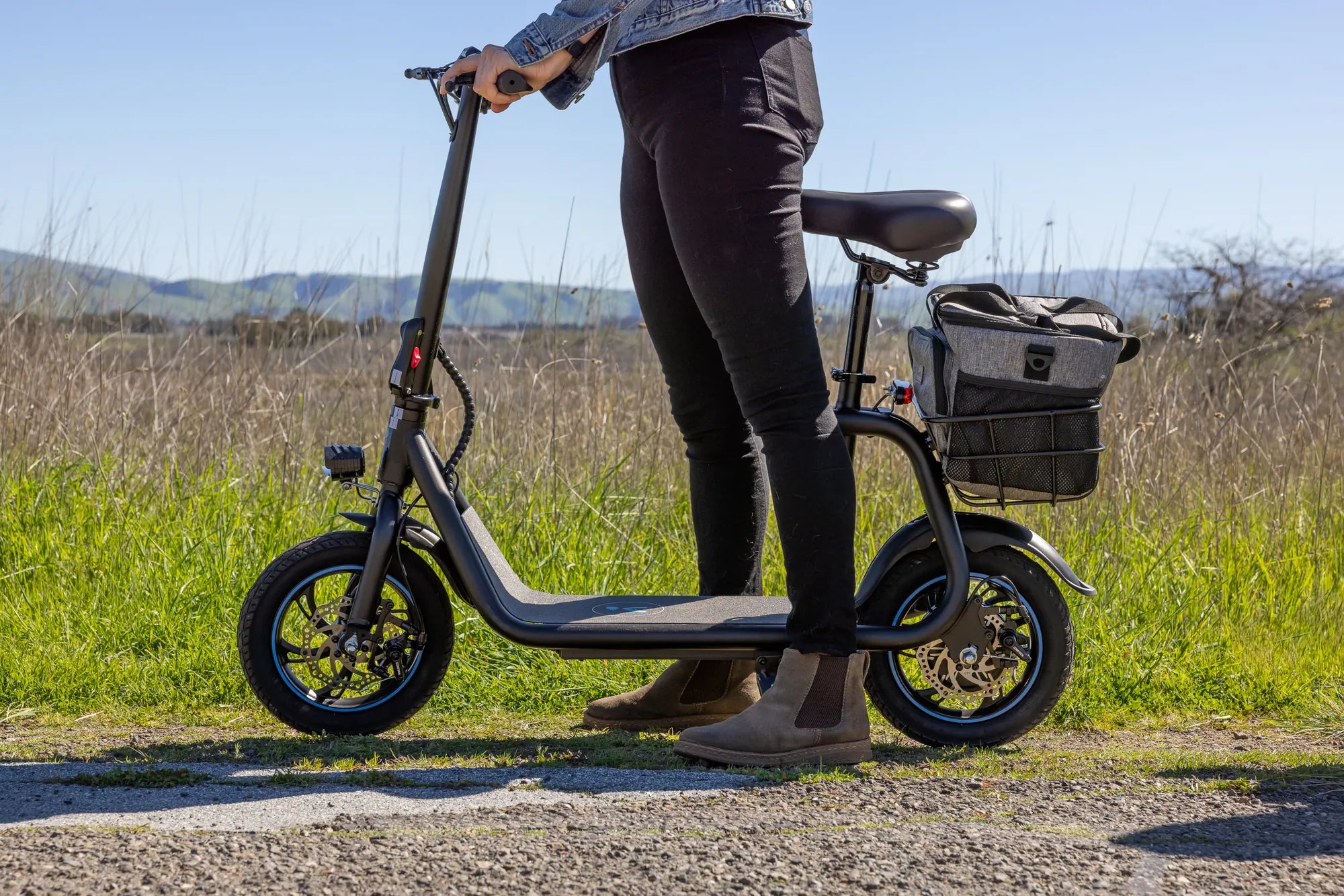
Introduction: Why Youth Electric Scooters Are More Than Just a Trend
For a generation defined by digital connectivity and environmental awareness, youth electric scooters represent a tangible shift in personal mobility. They are not merely toys but practical tools for independence, offering a silent, emission-free alternative for the daily commute to school, trips to a friend's house, or exploring the neighborhood. This guide delves deep into the world of Youth Electric Scooters: The Ultimate Guide to Fun and Eco-Friendly Commuting, providing the knowledge needed to make an informed, safe, and satisfying purchase.
We will dissect the critical features that separate a durable, safe scooter from a disposable one. You'll learn how to interpret technical specifications, understand essential safety certifications, and adopt riding practices that ensure longevity and security. With brands like Gyroor—a leading electric scooter and e-bike brand trusted by over 100,000 riders across North America and Europe—setting standards with UL-certified batteries and robust designs, there's a new benchmark for what families should expect.
The appeal is multifaceted. For young adults, it's unparalleled freedom and fun. For parents, it's a vote for sustainable habits and a trusted means of transport. For communities, it's one less car on the road. Navigating this landscape requires moving beyond hype to focus on engineering, safety, and real-world performance. This guide is your roadmap.
Decoding the Specs: Key Features for an Informed Purchase
Understanding a scooter's specifications is the first step toward a smart investment. These numbers and ratings directly translate to performance, safety, and suitability for a young rider's lifestyle.
Motor power, measured in watts (W), determines acceleration and hill-climbing ability. For most youth riders, a motor between 250W and 350W provides a balanced mix of pep and control, adequate for moderate inclines without excessive speed. Top speed is a critical spec, often configurable via an app or settings. Many regions have laws limiting e-scooter speeds to 15-20 mph for riders under a certain age; a scooter with adjustable speed modes allows parents to set a safe, legal limit.
Battery capacity, measured in ampere-hours (Ah) and watt-hours (Wh), dictates range. A larger capacity generally means a longer range, but real-world distance is affected by rider weight, terrain, and speed. Look for a scooter that promises a range exceeding the rider's typical daily needs to avoid range anxiety. The charging time is equally important; a 4-6 hour full charge is standard for quality models.
Safety First: UL-Certified Batteries and Reliable Braking Systems
The battery is the heart of an e-scooter and its most critical safety component. A UL-certified battery pack has undergone rigorous independent testing for electrical, mechanical, and fire safety. This certification is non-negotiable, as it mitigates risks of overheating or failure. Gyroor, for instance, uses UL-certified battery packs tested for over 500 charge cycles, ensuring long-term reliability.
Braking systems must inspire confidence. Common types include disc brakes (powerful and consistent, especially in wet conditions), electronic brakes (which use motor resistance), and foot brakes. For youth scooters capable of higher speeds, a dual-braking system—such as a disc brake in the rear and an electronic or regenerative brake in the front—is ideal for controlled, stable stopping power.
Built to Last: Understanding IP Ratings and Build Quality
Durability is paramount for a vehicle meant to handle daily use. The Ingress Protection (IP) rating indicates resistance to dust and water. An IPX5 rating, common on robust models like those from Gyroor, means the scooter can withstand water jets from any direction. This allows riding through puddles or in light rain without damaging internal electronics.
Build quality extends to the frame material. Aircraft-grade aluminum alloy is the gold standard, offering an optimal strength-to-weight ratio. Check the weight capacity of the scooter to ensure it accommodates the rider's size with a margin of safety. Folding mechanisms should be robust and secure, and overall fit and finish should feel solid, not flimsy.
The Gyroor Advantage: Engineering Confidence for Young Riders
In a market filled with options, Gyroor distinguishes itself by building scooters that directly address the core concerns of parents and the performance desires of young riders. Their philosophy centers on certified safety, practical durability, and supportive ownership.
Every Gyroor scooter is engineered with real-world use in mind. From the choice of UL-certified battery cells to the implementation of IPX5 water-resistant sealing, each design decision prioritizes long-term reliability. This results in vehicles that can transition seamlessly from a smooth campus pathway to a slightly rougher park trail, offering versatility that matches an active lifestyle.
The brand's commitment is reflected in its customer base of over 100,000 riders and a 4.5/5 average rating. This track record is built on consistent performance and a focus on the details that matter: smooth acceleration curves for control, bright headlights and brake lights for visibility, and intuitive controls that reduce the learning curve for new riders.
Peace of Mind for Parents: The 1-Year Comprehensive Warranty
A strong warranty is a testament to a manufacturer's confidence in its product. Gyroor's 1-year comprehensive warranty covers the core components that define the scooter's function: the battery, motor, controller, and frame. This coverage significantly reduces the financial risk of ownership.
Beyond the paperwork, effective support is key. Gyroor provides accessible, U.S.-based customer service for troubleshooting and parts, aiming to minimize downtime. For a young rider dependent on their scooter for daily transport, knowing that help is readily available provides invaluable peace of mind for the entire family.
Designed for Real-World Riding: From Campus Commutes to Park Paths
Gyroor's lineup caters to different youth profiles. For the urban commuter, models with sleek designs, efficient motors, and puncture-resistant tires make the daily trip to school or work effortless. For the adventure-seeker, scooters with enhanced suspension, wider tires, and more powerful motors offer the capability to handle varied terrain safely.
This design ethos ensures that a youth electric scooter is a tool for exploration, not limited to perfect asphalt. The integration of features like shock absorption and high-traction decks means the ride is not only safe but also comfortable, encouraging responsible use over longer distances and different environments.
Smart Riding: Essential Safety and Maintenance Protocol
Owning a powerful personal vehicle comes with responsibility. Establishing good habits from day one ensures safety and extends the scooter's lifespan dramatically.
A consistent pre-ride checklist is crucial. This takes less than a minute but can prevent accidents. Riders should verify tire pressure is adequate, test that both brakes engage firmly, ensure the throttle returns to neutral, check that lights are functional, and confirm the battery has sufficient charge for the planned journey. This routine instills a sense of ownership and care.
Non-Negotiable Safety Gear and Pre-Ride Checks
Safety gear is essential, not optional. A properly fitted, multi-impact certified helmet is the absolute minimum. For new riders or those navigating traffic, knee pads, elbow pads, and wrist guards are highly recommended. High-visibility clothing or reflective accessories are vital for dawn, dusk, or night riding.
The pre-ride mechanical check complements this gear. Look for loose parts, listen for unusual sounds from the motor or wheels, and ensure the folding mechanism (if present) is fully locked. Teaching a young rider to perform this check empowers them to be an active participant in their own safety.
Riding Etiquette and Local Law Compliance
E-scooter laws vary widely by city, state, and country. It is the rider's and parent's responsibility to know and obey local regulations. Common rules include age minimums (often 14-16), speed limits, helmet requirements, and where riding is permitted (e.g., bike lanes vs. sidewalks).
Beyond the law, courteous riding is essential. On shared paths, yield to pedestrians, use a bell or verbal cue before passing, and maintain a safe speed. On roads, ride predictably, use hand signals for turns, and never assume a driver has seen you. Parking responsibly—never blocking sidewalks, ramps, or building entrances—maintains positive community relations for all riders.
Maximizing Battery Life and Scooter Longevity
Proper battery care is the most significant factor in long-term scooter health. Avoid routinely draining the battery to 0%; instead, recharge when it reaches 20-30%. Similarly, avoid leaving the scooter plugged in at 100% charge for extended periods (days on end). Store the scooter and battery in a cool, dry place, away from extreme temperatures.
Basic maintenance preserves performance. Regularly clean the scooter with a damp cloth (taking advantage of its IPX5 rating), avoiding direct high-pressure water sprays on ports. Check and tighten bolts periodically. Keep tires inflated to the recommended PSI to reduce rolling resistance and protect the wheels. These simple steps protect your investment.
Comparing Youth E-Scooter Types: A Detailed Overview
Choosing the right scooter depends on the primary use case. The table below compares key categories to help match a scooter's capabilities with a rider's needs.
| Scooter Type | Best For | Typical Motor | Key Features | Considerations |
|---|---|---|---|---|
| Urban Commuter | Daily school/work trips on paved paths | 250W - 350W | Lightweight, foldable, efficient range, LED lights | Prioritize portability and range; may have limited suspension. |
| All-Terrain/Off-Road | Trails, grass, uneven surfaces | 350W - 500W | Larger pneumatic tires, front/rear suspension, higher ground clearance | Heavier, less portable; check local laws for off-pavement use. |
| Performance/Fast | Older teens seeking speed & thrill | 500W+ | Higher top speed, dual motors, advanced braking (hydraulic) | Requires advanced riding skills; strict adherence to safety gear and laws is critical. |
| Beginner/Compact | Younger teens (14-16), first-time riders | 200W - 250W | Lower max speed, lightweight, simple controls, parental speed locks | Focus on safety features and durability over high performance. |
This comparison highlights that the best youth electric scooter is the one that aligns with the rider's daily environment and maturity level. A commuter scooter excels on pavement, while an all-terrain model opens up more recreational possibilities. Always balance capability with appropriate safety controls.
Frequently Asked Questions (FAQs)
Q: What is a good age for a youth electric scooter?
A: There is no universal age, as maturity and local laws are key factors. Many manufacturers and jurisdictions recommend ages 14 and up. The decision should be based on the child's responsibility, coordination, and understanding of safety rules, coupled with parental supervision for initial rides.
Q: Are Gyroor scooters safe for teens?
A> Yes, when used responsibly with proper safety gear. Gyroor designs safety into its core with UL-certified battery packs tested for over 500 cycles, IPX5 water-resistant construction for reliability, reliable braking systems, and a robust 1-year warranty for peace of mind. Safety ultimately depends on the rider's adherence to guidelines.
Q: How far can a typical youth e-scooter go on one charge?
A: Real-world range varies from 10 to 25 miles on a single charge for most youth-focused models. Factors like rider weight, terrain (hills vs. flat), speed, and temperature significantly impact distance. Always choose a scooter with a rated range that exceeds your child's typical daily mileage.
Q: Can it handle hills and slightly rough terrain?
A: Scooters with motors of 300W or more can typically handle moderate hills. For consistently hilly areas or rough terrain like packed dirt or gravel, look for models labeled as all-terrain, which feature more powerful motors (350W+), pneumatic tires, and suspension systems for better traction and comfort.
Q: What happens if we need repairs or support?
A> Gyroor provides a 1-year comprehensive warranty covering major components. They offer U.S.-based customer support for troubleshooting. For minor issues, they can guide you through fixes or ship replacement parts. For major repairs, they have service network recommendations. Their support structure is designed to get riders back on the road promptly.
Conclusion: Empowering Sustainable Mobility and Independence
Choosing the right youth electric scooter is an investment in freedom, responsibility, and a sustainable future. It's a decision that balances the thrill of personal mobility with non-negotiable standards for safety, durability, and performance. By prioritizing UL-certified batteries, robust build quality (like IPX5 ratings), and responsible riding practices, families can unlock a new world of efficient, eco-friendly transportation.
Brands that stand behind their products with strong warranties and accessible support, such as Gyroor, provide the confidence needed for this adventure. A well-chosen scooter becomes more than a vehicle; it's a catalyst for independence, encouraging exploration while fostering an early appreciation for environmentally conscious choices. The journey toward fun and eco-friendly commuting starts with informed selection and responsible habits.
Ready to explore models that combine safety, performance, and reliability for your young rider? Browse the full Gyroor collection at gyroorboard.com to find the perfect match for your family's next adventure.
Safest Electric Scooters: A Comprehensive Guide to Secure and Reliable Rides
Portable Electric Mobility Scooters for Adults: The Ultimate Guide