



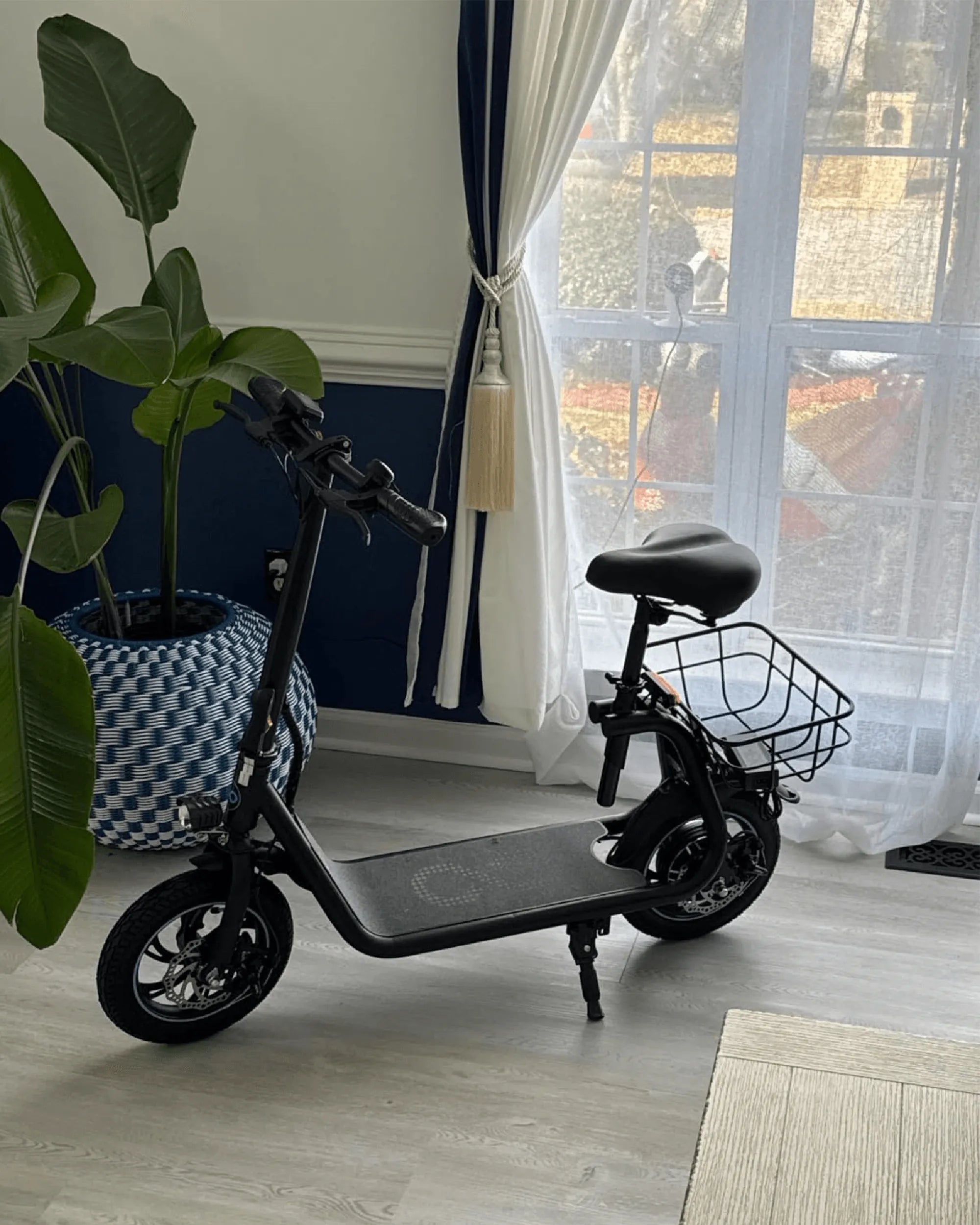
Are you tired of your sluggish e-scooter struggling to keep up with your daily commute? A 48 volt 450 watt e-scooter conversion might be the game-changer you need. This upgrade unlocks higher speeds, improved torque, and longer battery life, making your rides smoother and more efficient. Whether you're a DIY enthusiast or a beginner, this guide will walk you through the entire process, ensuring you get the most out of your conversion.
Why Choose a 48 Volt 450 Watt E-Scooter Conversion?
Upgrading to a 48 volt 450 watt system offers several advantages over standard e-scooter setups. The higher voltage provides better energy efficiency, allowing you to travel farther on a single charge. Meanwhile, the 450-watt motor delivers ample power for tackling hills and accelerating quickly. Here are some key benefits:
- Increased Speed: A 48V system can push your e-scooter to higher speeds compared to lower-voltage setups.
- Improved Torque: The 450-watt motor ensures better acceleration and hill-climbing capability.
- Longer Battery Life: Higher voltage systems often run more efficiently, extending your riding range.
- Smoother Performance: Reduced voltage sag means consistent power delivery even under load.
Essential Components for a Successful Conversion
Before diving into the conversion, you'll need to gather the right components. Here’s a breakdown of the key parts required for a 48 volt 450 watt e-scooter conversion:
- 48V Battery Pack: Lithium-ion batteries are ideal for their lightweight and high energy density.
- 450-Watt Motor: Ensure it’s compatible with 48V systems for optimal performance.
- Motor Controller: A matching controller is crucial for regulating power delivery.
- Throttle: A thumb or twist throttle to control speed.
- Wiring and Connectors: High-quality cables to handle the increased voltage and current.
- Charger: A 48V-specific charger to safely replenish your battery.
Step-by-Step Conversion Process
Converting your e-scooter to a 48 volt 450 watt system requires careful planning and execution. Follow these steps to ensure a smooth upgrade:
- Remove the Old Components: Disconnect and remove the existing battery, motor, and controller.
- Install the New Motor: Secure the 450-watt motor in place, ensuring proper alignment with the drivetrain.
- Connect the Controller: Wire the motor controller to the motor, battery, and throttle.
- Mount the Battery: Position the 48V battery pack securely, preferably in a balanced location.
- Test the System: Power on the e-scooter and check for smooth operation before finalizing connections.
Common Challenges and How to Overcome Them
While a 48 volt 450 watt e-scooter conversion is straightforward, you may encounter a few hurdles. Here’s how to tackle them:
- Compatibility Issues: Ensure all components are rated for 48V operation to avoid damage.
- Wiring Mistakes: Double-check connections to prevent short circuits or poor performance.
- Battery Placement: Improper mounting can affect balance—test ride before finalizing.
- Thermal Management: Higher power systems generate more heat; consider adding cooling if needed.
Safety Tips for Your Upgraded E-Scooter
With greater power comes greater responsibility. Keep these safety tips in mind after completing your 48 volt 450 watt e-scooter conversion:
- Always wear a helmet and protective gear when riding.
- Regularly inspect wiring and connections for wear or damage.
- Avoid overcharging the battery to prolong its lifespan.
- Start with conservative speed settings until you’re comfortable with the new power.
Ready to take your e-scooter to the next level? A 48 volt 450 watt conversion is the perfect way to boost performance without breaking the bank. Follow this guide, and you’ll be zipping through streets with newfound speed and efficiency in no time!
Electric Scooters Under 200 Dollars: Affordable and Efficient Commuting Solutions
Motorized Scooter: The Future of Urban Mobility