


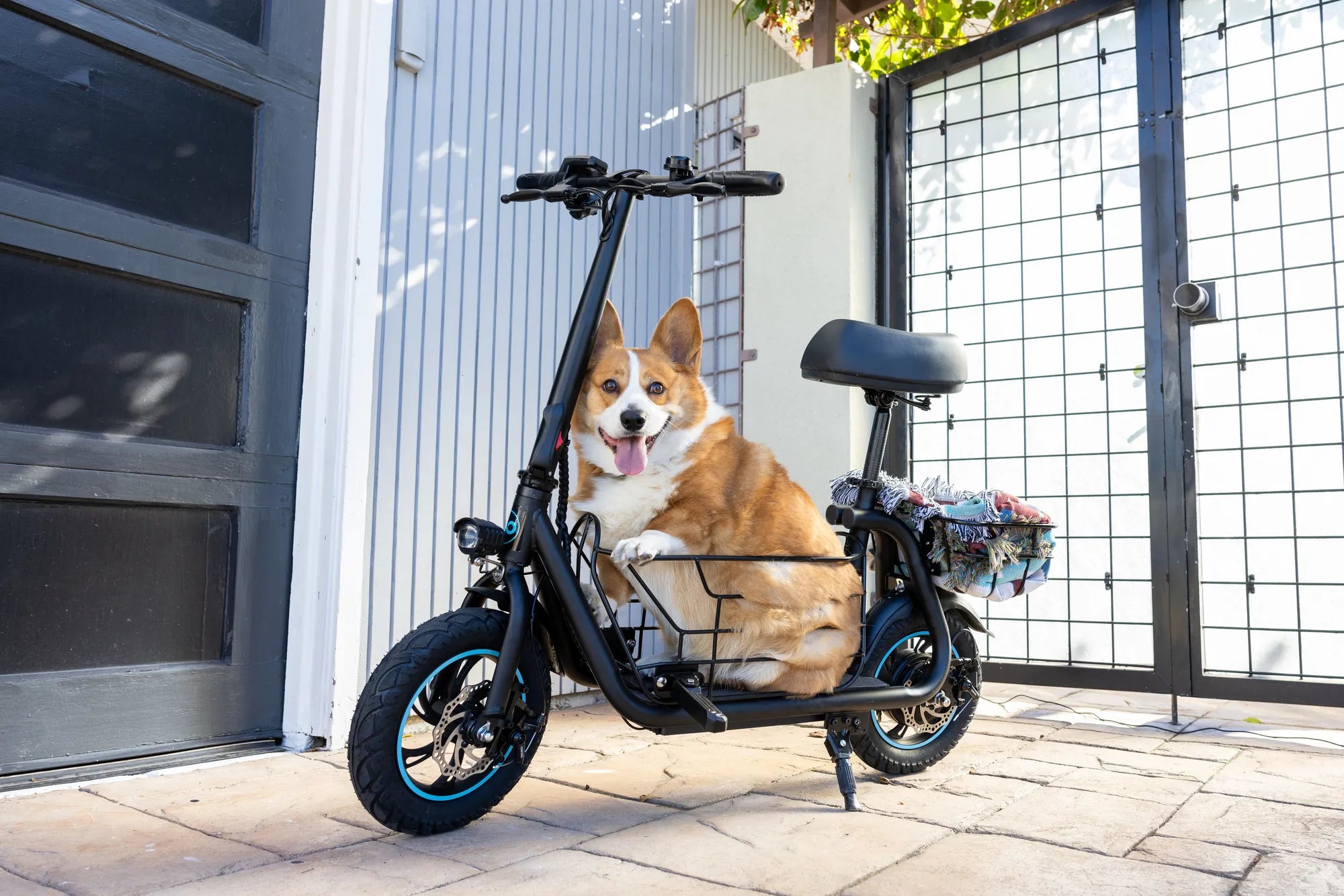
Electric scooters have taken cities by storm, offering a convenient and eco-friendly alternative to cars and public transport. But before you hop on one, you might be wondering: Am I allowed to ride an electric scooter? The answer isn’t always straightforward, as laws vary widely depending on where you live. This guide will help you navigate the legal landscape so you can ride safely and legally.
Understanding Electric Scooter Regulations
Electric scooters fall into a unique category of personal transportation devices, and their legality depends on local laws. Some cities embrace them, while others impose strict restrictions or outright bans. Here’s what you need to know:
Where Are Electric Scooters Legal?
In many urban areas, electric scooters are permitted on roads, bike lanes, or sidewalks, but the rules differ. For example:
- United States: Laws vary by state and city. Some require helmets, while others limit speeds or prohibit sidewalk riding.
- Europe: Many countries classify e-scooters as motor vehicles, requiring registration or insurance.
- Australia: Most states allow e-scooters but enforce strict speed limits and helmet laws.
Common Restrictions to Watch For
Even where e-scooters are legal, there are often rules in place to ensure safety:
- Age Requirements: Many places require riders to be at least 16 or 18 years old.
- Speed Limits: Some cities cap speeds at 15-20 mph (25-32 km/h).
- Helmet Laws: Wearing a helmet may be mandatory, especially for younger riders.
- No Sidewalk Riding: To avoid pedestrian accidents, many areas restrict e-scooters to bike lanes or roads.
How to Check Your Local Laws
Before riding, research your local regulations. Here’s how:
- Visit Government Websites: Check your city or state’s transportation department for e-scooter guidelines.
- Look for Rental Scooter Rules: If rental scooters operate in your area, their policies often reflect local laws.
- Ask Local Authorities: Police or traffic departments can clarify any uncertainties.
Safety Tips for Riding an Electric Scooter
Even if e-scooters are legal where you live, safety should always come first. Follow these tips to avoid accidents:
- Wear Protective Gear: Helmets, knee pads, and elbow pads reduce injury risks.
- Follow Traffic Rules: Obey traffic signals, yield to pedestrians, and use hand signals when turning.
- Stay Visible: Use lights and reflective clothing, especially at night.
- Avoid Distractions: Don’t use your phone or headphones while riding.
What Happens If You Break the Rules?
Ignoring e-scooter laws can lead to fines, confiscation of your scooter, or even legal trouble. Penalties vary, but common consequences include:
- Fines: Riding without a helmet or on sidewalks may result in tickets.
- Impoundment: Some cities seize improperly parked or illegally operated scooters.
- Legal Liability: If you cause an accident while breaking the law, you could face lawsuits.
The Future of Electric Scooter Laws
As e-scooters grow in popularity, laws are evolving. Many cities are updating regulations to balance safety with accessibility. Stay informed about changes in your area to avoid surprises.
Electric scooters offer a thrilling way to zip through traffic and reduce your carbon footprint—just make sure you’re riding within the law. By understanding the rules and prioritizing safety, you can enjoy the ride without any legal headaches.
Chinese Made Electric Scooters: The Future of Urban Mobility
Chinese Made Electric Scooters: The Future of Urban Mobility