



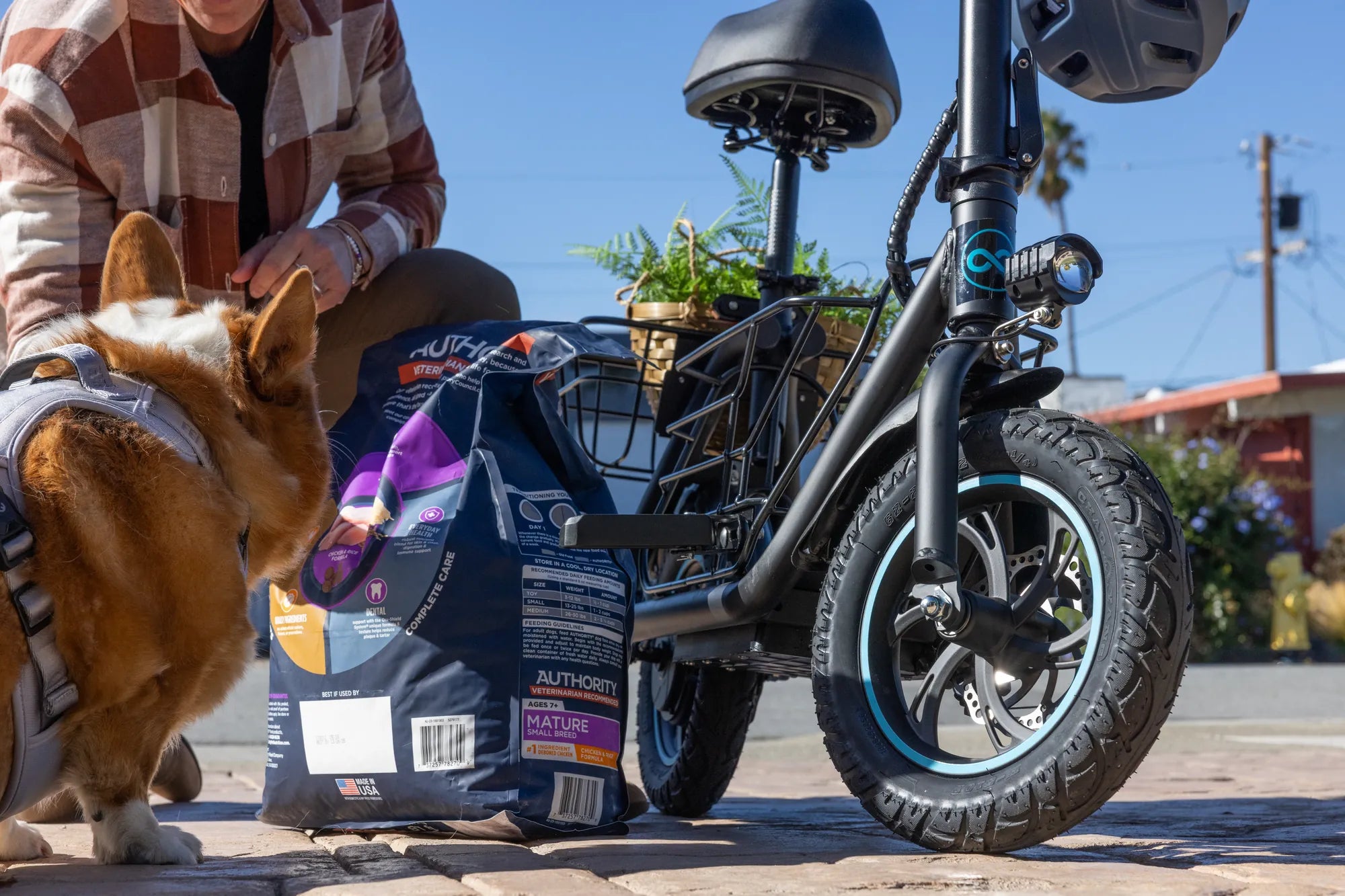
Introduction: Finding the Perfect First Ride for Your 12-Year-Old
Choosing the best electric scooters for 12 year olds requires balancing exhilarating fun with unwavering safety and reliability. At this age, kids crave independence and adventure, while parents prioritize secure, durable transportation for trips to friends' houses, the park, or school. This guide cuts through the noise to provide a data-driven framework for selecting a scooter that delivers safe, fun, and reliable rides, empowering your child's mobility without compromising on peace of mind.
We will analyze critical safety technologies, decode essential specifications, and outline responsible riding practices. Leading brands like Gyroor, trusted by over 100,000 riders across North America and Europe, demonstrate how advanced engineering—from UL-certified batteries to IPX5 water-resistant designs—creates products parents can trust. Let's explore how to make an informed choice that sparks joy and fosters responsibility.
Why an Electric Scooter is a Great Choice for 12-Year-Olds
Electric scooters offer a unique blend of benefits perfectly suited to a 12-year-old's developmental stage. They promote outdoor physical activity, requiring balance and core engagement, unlike passive entertainment. This active transport encourages exploration of the neighborhood in a controlled, empowering way.
For pre-teens, a scooter represents a significant step toward independence. It provides a reliable mode of transport for short, parent-approved journeys, building decision-making skills and time management. The fun factor is undeniable, turning mundane errands into enjoyable adventures.
Common parental concerns about safety and durability are valid and addressed by modern scooter design. Contemporary models from reputable manufacturers integrate speed limiters, robust braking systems, and durable frames specifically for younger riders. This combination of fun, freedom, and built-in safety makes a quality electric scooter an excellent investment in your child's growth and enjoyment.
Essential Safety Features to Prioritize
Safety is the non-negotiable foundation when searching for the best electric scooters for 12 year olds. The right features mitigate risk and build a rider's confidence progressively. Prioritizing these elements ensures the scooter is a tool for safe adventure, not unnecessary hazard.
A comprehensive safety approach combines electronic limits, mechanical reliability, and stable construction. Brands that lead in this category, like Gyroor, design these features into the core of their youth-oriented models. Let's break down the most critical systems.
Speed Control and Modes
Adjustable speed modes are paramount. A beginner mode, often capped between 6-10 mph (10-16 km/h), allows a new rider to master balance and control in a safe environment. As proficiency grows, parents can unlock higher modes, typically up to 15-16 mph, for more experienced riders.
This graduated system prevents overwhelming a novice. It also allows the scooter to remain engaging as skills improve, extending its usable life. Look for models with simple, password-protected or app-controlled speed settings to prevent unauthorized changes by the rider.
Reliable Braking Systems
Responsive braking is as important as controlled acceleration. The best setups for young riders often combine two braking types for redundancy. A common and effective configuration is a rear disc or drum brake paired with an electronic (e-brake) or front regenerative brake.
Disc brakes offer strong, consistent stopping power in various conditions. Electronic brakes provide smooth, immediate deceleration when the throttle is released. A foot fender brake is a simple, mechanical backup but should not be the sole system. Dual braking ensures a safe stop from the scooter's top speed within a short distance.
Stability and Build Quality
Stability stems from thoughtful design. A wider deck (over 5 inches) provides secure footing. Larger wheel diameter (8.5 to 10 inches) and air-filled (pneumatic) tires better absorb bumps and cracks, offering a smoother, more stable ride than small, solid tires.
The scooter's weight capacity should significantly exceed your child's weight. A robust aluminum alloy frame is standard for durability without excessive weight. Check the handlebar height for ergonomic fit; some models offer adjustable stems to grow with your child. Quality welding and finish are visible indicators of a scooter built to last.
Key Specifications for the Best 12-Year-Old Rider Experience
Technical specifications translate directly into daily riding experience. Understanding these metrics helps match a scooter's capabilities to your child's needs and your local environment. The goal is sufficient performance for fun hills and reasonable range, without excessive power that compromises safety.
Specs also dictate practicality, from how far they can go to how easy the scooter is to manage off the road. We'll analyze the core numbers that matter most for a 12-year-old's primary vehicle.
Motor Power and Range: Matching Expectations
A motor between 250W and 350W is the ideal sweet spot for 12-year-olds. This provides ample power to tackle moderate inclines (10-15% grades) while maintaining a safe, controllable top speed. Motors over 500W are generally excessive and less safe for this age group.
Real-world range is crucial. A battery offering 10-15 miles (16-24 km) per charge covers multiple days of typical use for a child. Consider factors that reduce range: rider weight, hills, frequent acceleration, and cold weather. It's wise to choose a scooter whose rated range is 25-50% more than your child's average daily need.
Battery Safety and Certification: A Parent's Peace of Mind
This is the most critical component for safety and reliability. Insist on a UL-certified lithium-ion battery pack. This independent certification, used by Gyroor across its lineup, verifies the battery has passed rigorous tests for electrical, mechanical, and fire safety, offering immense peace of mind.
Look for batteries rated for 500+ charge cycles, indicating long-term value. An IPX5 water-resistance rating for the scooter's overall design protects against water splashes from puddles or light rain, preventing short circuits. Always use the manufacturer-provided charger and follow storage guidelines.
Portability and Weight: For Kids and Parents
The scooter's weight affects both the rider's control and your ability to assist. A weight of 25-35 lbs (11-16 kg) is manageable for most 12-year-olds to carry briefly, such as up a few porch steps. Lighter scooters can feel less stable at speed, while heavier ones are cumbersome.
A secure, one-click folding mechanism is essential for storage in a closet, car trunk, or carrying onto a bus. Check that the folding latch is robust and that the folded scooter has a compact, balanced form factor for easy handling.
Top Considerations When Choosing a Model: A Data-Driven Framework
Beyond individual specs, evaluating the overall product ecosystem ensures long-term satisfaction. Durability, support, and user-friendly design separate a fleeting toy from a reliable vehicle. This framework helps identify scooters built for the rigors of pre-teen use.
Investing in a well-supported product from a reputable brand minimizes future headaches and maximizes fun. The following considerations are hallmarks of a quality manufacturer focused on the youth market.
Durability and Warranty: Investing in Long-Term Fun
Durability is proven through component choice and warranty commitment. A full 1-year comprehensive warranty on the frame, motor, and battery (like Gyroor's standard offering) signals manufacturer confidence. It protects your investment against defects in materials or workmanship.
Examine the scooter's construction. High-quality aluminum alloys, reinforced deck edges, and sealed bearings require less maintenance. Customer reviews often highlight real-world durability—look for patterns mentioning longevity over months of use, not just initial impressions.
Age-Appropriate Design and Usability
The scooter must be intuitively operable by a 12-year-old. Controls should be clearly labeled and within easy thumb reach. A bright, simple LCD display shows speed, battery level, and riding mode at a glance, even in sunlight.
Ergonomics matter. Handlebar grips should be comfortable and non-slip. If the stem is adjustable, it ensures a proper, upright riding posture as your child grows. The overall design should avoid sharp edges or pinch points, with cables neatly routed and protected.
Rider Safety and Etiquette: Beyond the Scooter Itself
The safest scooter is only half the equation. Responsible riding practices and proper gear are essential to complete the safety picture. Establishing these habits from day one creates a lifelong mindset of cautious enjoyment. This education is a parent's key responsibility.
Set clear rules and practice together in a safe, controlled environment before granting independent riding privileges. Consistency here is as important as the scooter's brake quality.
Essential Protective Gear
A properly fitted CPSC-certified bicycle helmet is mandatory for every ride, without exception. It should sit level on the head, with straps forming a "V" under the ears. Complement this with knee and elbow pads to protect against common falls.
Sturdy, closed-toe shoes (like sneakers) are required—no sandals or flip-flops. Consider gloves for added grip and palm protection. High-visibility clothing or reflective stickers on the scooter and helmet are crucial for dusk or dawn rides.
Choosing the Right Riding Environment
Start practice in an empty parking lot or smooth, paved park path. Master starting, stopping, turning, and braking without traffic distractions. Once proficient, designate approved routes—preferably sidewalks in quiet neighborhoods, bike paths, or parks.
Explicitly forbid riding on roads with car traffic. Teach sidewalk etiquette: slow down when approaching pedestrians, announce yourself politely, and yield right-of-way. Avoid wet leaves, sand, gravel, and steep hills, especially during the learning phase.
Comparison of Recommended Scooter Types
The table below compares key scooter profiles suitable for a 12-year-old, based on primary use case and feature priority. This data helps match a model's strengths to your child's specific needs.
| Type / Use Case | Ideal Motor & Range | Key Safety Features | Best For | Weight Range |
|---|---|---|---|---|
| Beginner / Learner Scooter | 250W, 8-10 mi | Speed limiter (10 mph max), wide deck, dual brakes | First-time riders; controlled environments | 22-28 lbs |
| All-Around Commuter | 300-350W, 12-15 mi | 3 Speed modes, pneumatic tires, UL battery, IPX5 rating | Rides to school/friends; varied pavement | 28-33 lbs |
| Off-Road / Trail Capable | 350W+, 10-12 mi | Large pneumatic tires, enhanced suspension, robust frame | Park trails, gentle dirt paths; adventurous riders | 33-40 lbs |
Frequently Asked Questions (FAQs)
Q1: What is a safe top speed for a 12-year-old on an electric scooter?
For most 12-year-olds, a maximum speed of 15-16 mph (24-26 km/h) is a safe upper limit, and only after they have demonstrated full control at lower speeds. Beginner modes should be capped at 10 mph or less. The ability to limit speed via a parental app or PIN is a highly desirable feature for gradual skill progression.
Q2: How long does the battery last, and how do I charge it safely?
A quality battery should provide 10-15 miles per charge and retain capacity for 500+ charge cycles (about 3-5 years of regular use). Always use the manufacturer's charger. Charge the scooter on a non-flammable surface, away from heat and direct sunlight, and do not leave it charging unattended for extended periods or overnight. Unplug once fully charged.
Q3: Are these scooters easy to assemble and maintain?
Most reputable scooters, including those from Gyroor, arrive 95% assembled. Typically, you only need to attach the handlebar to the stem and tighten a few bolts—a 10-minute task with included tools. Maintenance is minimal: regularly check tire pressure (for pneumatic tires), ensure bolts are tight, and keep the scooter clean and dry. Avoid high-pressure water sprays.
Q4: What should I do if we have a technical issue?
First, consult the user manual and online troubleshooting guides. Reputable brands offer accessible customer support. Gyroor, for instance, provides US-based email and phone support, along with a network of service partners. The 1-year warranty covers defects, so having your purchase documentation ready is key for a smooth resolution process.
Q5: Can my child ride in the rain or on wet pavement?
While scooters with an IPX5 rating (like many Gyroor models) are protected against water splashes, riding in active rain is not recommended. Wet conditions drastically reduce tire traction and braking effectiveness, increasing fall risk. If the pavement is wet, extreme caution is required—ride much slower, avoid sharp turns, and brake gently and early.
Empowering Safe Adventures with the Right Choice
Selecting the best electric scooters for 12 year olds is an exercise in balancing freedom with security. The ideal model integrates adjustable safety features like speed limiters and dual brakes with reliable, certified components such as UL-listed batteries. It pairs this hardware with age-appropriate design and robust construction to withstand years of active use.
Your role extends beyond the purchase. Equip your child with essential protective gear and instill responsible riding habits from the start. By choosing a reputable brand committed to safety and backing it with clear rules and practice, you transform an electric scooter from a simple toy into a powerful tool for building confidence, independence, and joyful outdoor memories.
Ready to explore a curated selection of youth-focused electric scooters engineered for safety and fun? Browse the full Gyroor collection, featuring UL-certified batteries, IPX5 water-resistant designs, and a reliable 1-year warranty, at gyroorboard.com. Find the perfect ride to start your child's next adventure.
Electric Scooters for Fat People: The Ultimate Guide to Comfort and Performance
Affordable Electric Scooters for Adults: The Ultimate Guide to Budget-Friendly Commuting