



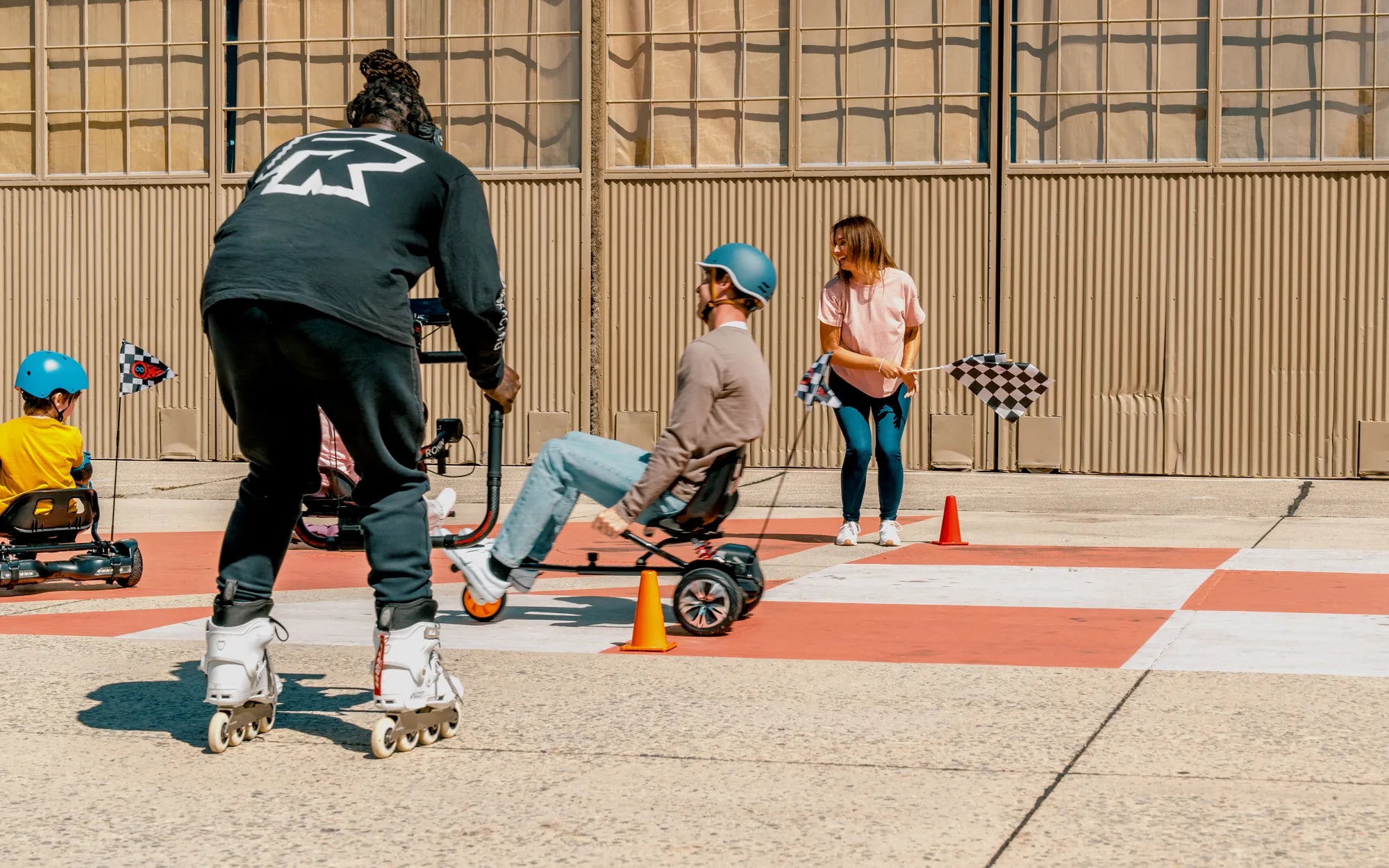
Hoverboards have taken the world by storm, offering a fun and futuristic way to get around. But one question lingers in the minds of many riders: can hoverboards go outside? The answer isn't as simple as a yes or no—it depends on the terrain, weather, and the hoverboard's specifications. Let's dive into the details to help you make the most of your outdoor hoverboarding experience.
Understanding Hoverboard Outdoor Capabilities
Not all hoverboards are created equal. Some are designed specifically for indoor use, while others are built to handle outdoor conditions. Key factors that determine whether a hoverboard can go outside include:
- Wheel Size: Larger wheels (8 inches or more) handle bumps and uneven surfaces better.
- Tire Type: Solid rubber tires are more durable for outdoor use than air-filled ones.
- Water Resistance: Look for hoverboards with IP ratings if you plan to ride in damp conditions.
- Motor Power: Stronger motors (350W or higher per wheel) provide better performance on inclines.
Challenges of Outdoor Hoverboarding
Taking your hoverboard outside presents several challenges that indoor riders don't face:
- Uneven Terrain: Sidewalks with cracks, gravel paths, and grassy areas can be difficult to navigate.
- Weather Conditions: Rain can damage electronics, while extreme heat or cold affects battery performance.
- Safety Concerns: Outdoor riding increases the risk of collisions with pedestrians, cyclists, or vehicles.
- Legal Restrictions: Some areas prohibit hoverboards on public sidewalks or roads.
Essential Safety Tips for Outdoor Riding
If you decide to take your hoverboard outside, follow these safety precautions:
- Always wear protective gear, including a helmet, knee pads, and wrist guards.
- Start in a safe, open area away from traffic to practice your skills.
- Avoid riding in the rain or on wet surfaces to prevent slipping and water damage.
- Be aware of local laws regarding hoverboard use in public spaces.
- Maintain proper speed control, especially when going downhill.
Best Outdoor Surfaces for Hoverboards
While hoverboards can technically go outside, some surfaces are better than others:
| Surface Type | Difficulty Level | Recommendation |
|---|---|---|
| Smooth pavement | Easy | Ideal for beginners |
| Packed dirt paths | Moderate | Requires some experience |
| Grass | Challenging | Only for advanced riders |
| Gravel | Very difficult | Not recommended |
Maintenance for Outdoor Hoverboards
Regular maintenance becomes even more crucial when using your hoverboard outdoors:
- Clean the wheels and underside after each outdoor use to remove debris.
- Check tire pressure (if applicable) before each ride.
- Inspect the board for any damage that might have occurred during outdoor use.
- Store your hoverboard in a dry place when not in use.
- Monitor battery performance, as outdoor conditions can affect battery life.
Legal Considerations for Outdoor Use
Before taking your hoverboard outside, it's important to understand the legal landscape:
- Many cities classify hoverboards similarly to electric scooters in terms of where they can be ridden.
- Some areas require riders to be a certain age (often 16+) to operate hoverboards in public spaces.
- Speed limits may apply when riding on sidewalks or bike paths.
- Certain locations completely ban hoverboards from public areas.
Hoverboards absolutely can go outside, but success depends on choosing the right model and following proper safety protocols. With the right preparation and precautions, outdoor hoverboarding can be an exhilarating experience that combines fun with practical transportation. Just remember to start slow, stay safe, and always be aware of your surroundings—the world is your hoverboard playground!
Best Places to Buy Hoverboards: Top Retailers and Shopping Tips
8 Inch UL Hoverboard: The Ultimate Guide to Choosing the Perfect Ride