



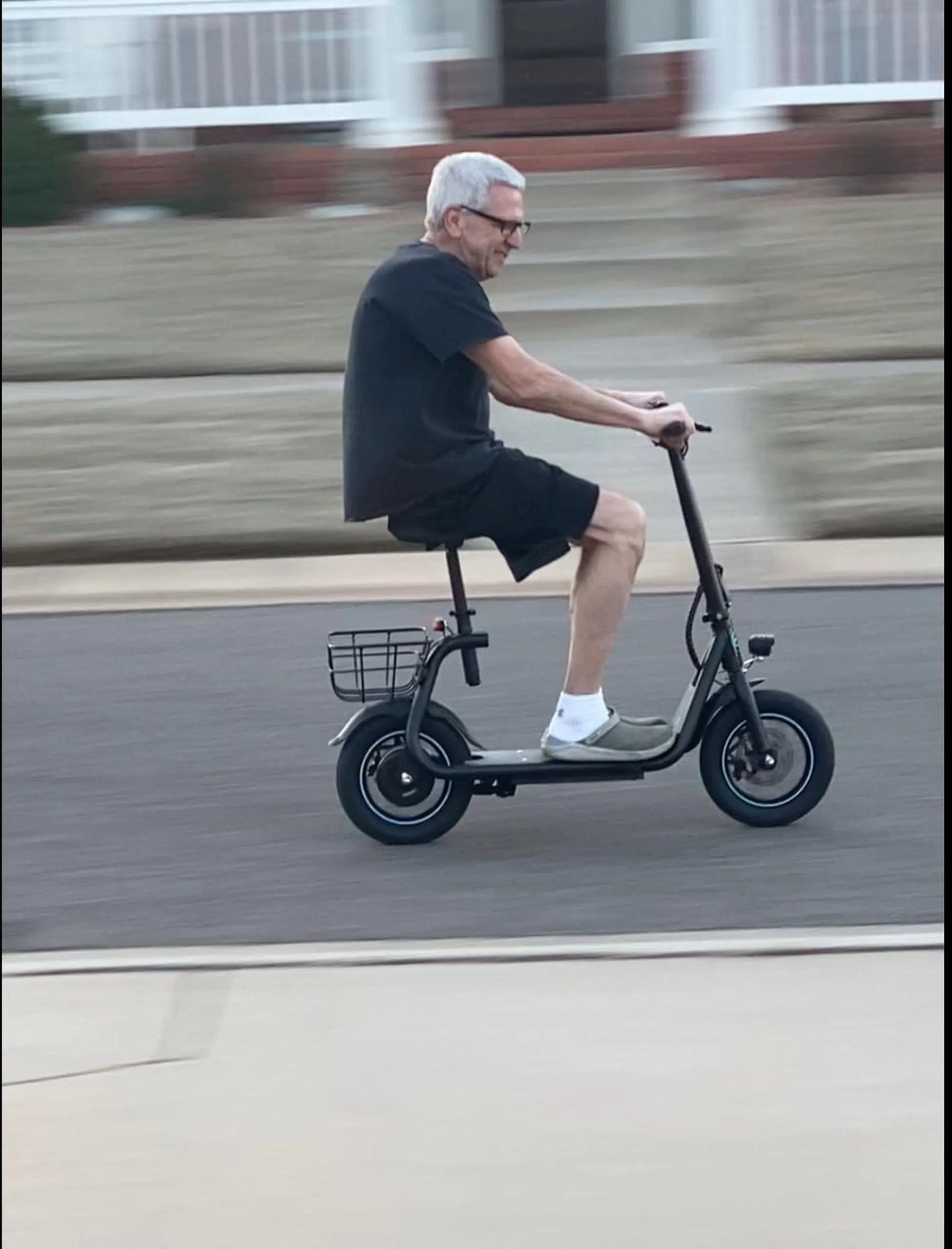
Electric scooters have become a popular mode of transportation, offering an eco-friendly and cost-effective way to commute. But one of the most common questions riders ask is: Can you charge an electric scooter at home? The answer is yes—but there are important factors to consider to ensure safety, efficiency, and battery longevity. Let’s dive into the details.
Understanding Electric Scooter Charging Basics
Before plugging in your scooter, it’s essential to understand how charging works. Most electric scooters use lithium-ion batteries, which require a specific voltage and current to charge safely. The charger provided with your scooter is designed to match these requirements.
- Charging Time: Typically ranges from 3 to 8 hours, depending on battery capacity.
- Power Source: A standard household outlet (110V or 220V) is usually sufficient.
- Charger Compatibility: Always use the manufacturer-recommended charger to avoid damage.
Safety Tips for Charging at Home
Charging an electric scooter at home is generally safe, but following best practices minimizes risks:
- Avoid Overcharging: Unplug the scooter once fully charged to prevent battery degradation.
- Use a Surge Protector: Protects against power surges that could damage the battery.
- Charge in a Well-Ventilated Area: Prevents overheating and reduces fire hazards.
- Inspect Cables Regularly: Frayed or damaged cords should be replaced immediately.
Power Requirements and Electrical Safety
Most electric scooters draw between 100W and 300W during charging, which is well within the capacity of a standard home circuit. However, avoid using extension cords or power strips, as they can overheat. If your home has older wiring, consult an electrician to ensure safe charging.
Extending Battery Life
Proper charging habits can significantly extend your scooter’s battery lifespan:
- Avoid Deep Discharges: Recharge before the battery drops below 20%.
- Store at Partial Charge: If not using the scooter for a while, keep the battery at 50-60%.
- Keep Batteries Cool: High temperatures accelerate battery wear.
Alternative Charging Options
If home charging isn’t feasible, consider these alternatives:
- Public Charging Stations: Some cities offer dedicated e-scooter charging points.
- Workplace Charging: Check if your office has charging facilities.
- Portable Power Banks: Some models support external battery packs for on-the-go charging.
Charging your electric scooter at home is not only possible but also incredibly convenient—if done right. By following safety guidelines and optimizing charging habits, you can enjoy hassle-free rides while keeping your battery in top condition. Ready to power up? Your next adventure is just a charge away!
Electric Scooter Effects: How They Are Changing Urban Mobility
Electric Scooter Flashing Light: Enhancing Safety and Visibility on the Road