



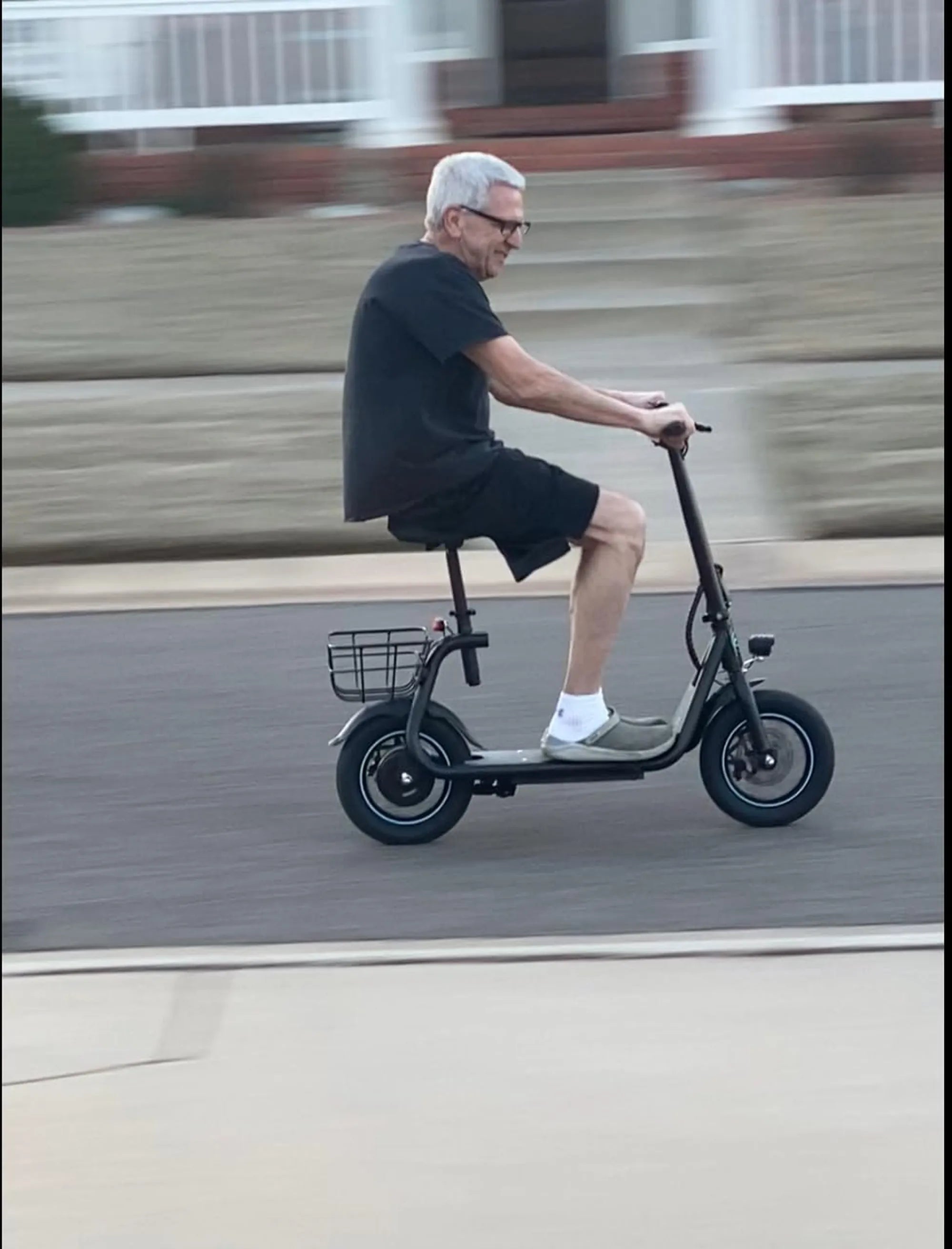
Introduction: The Rise of High-Capacity E-Bikes for the Modern Commuter
The demand for electric bikes is evolving beyond simple commuters. Riders now seek vehicles capable of handling substantial weight, whether for carrying heavy gear, commercial deliveries, or accommodating larger individuals. An e bike 500 lb capacity represents a significant engineering achievement, designed for real-world utility and durability. This article will dissect what this capacity truly means, the critical components that make it possible, and the practical scenarios where such a bike is essential. We will also examine how leading brands like Gyroor engineer trust and reliability for riders who depend on maximum performance under load.
Understanding E-Bike Weight Capacity: More Than Just a Number
A 500 lb weight rating is a system limit, not just a rider limit. This total Gross Vehicle Weight Rating (GVWR) includes the combined weight of the rider, all cargo and accessories, and the e-bike itself. For a typical heavy-duty e-bike weighing 80 lbs, this leaves approximately 420 lbs for the rider and their load.
Engineering this capacity requires a holistic approach. The frame, often constructed from high-tensile steel or reinforced 6061 aluminum alloy, must have a specific geometry and weld integrity to resist flex and stress fractures. Components like the motor, battery, wheels, and brakes are all spec'd to operate safely and effectively under this maximum stress, ensuring the entire system works in harmony.
Exceeding the manufacturer's stated capacity risks catastrophic failure. It can lead to frame damage, wheel collapse, brake failure, and premature wear on the motor and battery. Choosing an e bike 500 lb capacity model from a reputable manufacturer ensures every component is tested and validated for this demanding use case.
Key Features to Look for in a 500 lb Capacity E-Bike
Not all high-capacity e-bikes are created equal. Safety and longevity under heavy loads depend on specific, non-negotiable features. These elements separate purpose-built heavy-duty models from standard e-bikes with inflated claims.
Frame Construction and Material
The frame is the foundation. Look for frames made from high-tensile steel or double-butted aluminum. These materials offer an optimal balance of strength and manageable weight. Critical weld points, especially around the head tube, seat post, and rear dropout, should be clean, even, and reinforced. A step-through or low-slung top tube design can also enhance stability when mounting and dismounting under load.
Motor Power and Torque
Peak wattage is less important than sustained torque. A 750W or 1000W geared hub motor or mid-drive motor is typically necessary. Torque, measured in Newton-meters (Nm), is the rotational force that gets a heavy load moving and climbs hills. For a true e bike 500 lb capacity, seek motors with a minimum of 80 Nm of torque, with 95+ Nm being ideal for challenging terrain.
Battery Range Under Load
Weight dramatically impacts range. A battery that provides 50 miles for a 180 lb rider may only deliver 25 miles under a 400 lb load. Therefore, a high-capacity battery is essential. Look for UL 2271 or UL 2849 certified battery packs with capacities of 15Ah (720Wh) or higher. This ensures both safety and sufficient range for practical heavy-duty use.
Braking System and Safety
Stopping power is paramount. Hydraulic disc brakes are the gold standard for heavy-duty e-bikes, offering superior modulation, less hand fatigue, and consistent performance in wet conditions. If using mechanical discs, they must be high-quality with large, 180mm or 203mm rotors. Regenerative braking can provide minor assistance but should not be relied upon as a primary stopping method.
Tires, Wheels, and Suspension
Wheels bear the brunt of the load. They should feature double-walled aluminum rims, 12-gauge or 13-gauge spokes, and 36-spoke lacing patterns. Tires should be at least 2.4 inches wide, with a puncture-resistant layer (e.g., Kevlar belt). A front suspension fork with at least 80mm of travel and a lockout feature, combined with a suspension seatpost, is crucial for comfort and control on rough surfaces.
Comparing Use Cases: Who Truly Needs a 500 lb Capacity E-Bike?
The utility of a high-capacity e-bike extends far beyond a single demographic. It solves practical problems across various lifestyles and professions.
Heavy Urban Commuters: Professionals carrying multiple laptops, tools, or a week's worth of groceries benefit immensely. The ability to securely transport 50-100 lbs of cargo daily, without performance anxiety, transforms the commute.
Commercial Delivery Riders: For food or parcel delivery, an e bike 500 lb capacity is a business tool. It allows for larger, more efficient delivery runs while withstanding the constant stop-start cycles and curb jumps inherent to the job.
Recreational Riders with Higher Body Weight: This opens up the joy and health benefits of e-cycling to a wider audience. A properly rated bike ensures safety, provides adequate power assist on hills, and builds confidence for new riders.
Family and Utility Use: Adding a child seat, pet trailer, or large cargo trailer significantly increases gross weight. A heavy-duty e-bike provides the stable, powerful platform needed for these family-oriented or homesteading tasks.
The Gyroor Advantage: Engineering Trust for Heavy-Duty Riders
Gyroor's approach to high-capacity e-bikes exemplifies the principles outlined above. Trusted by over 100,000 riders, the brand builds reliability into its heavy-duty models through specific, verifiable features.
Every Gyroor e-bike utilizes UL-certified battery packs, a critical safety feature that becomes even more important under the thermal and discharge stress of heavy loads. These batteries are tested for 500+ charge cycles, ensuring long-term performance. The IPX5 water-resistant rating on key components guarantees all-weather reliability, a must for commuters and delivery riders.
Furthermore, Gyroor backs its engineering with a robust 1-year comprehensive warranty and accessible customer support. For a rider investing in an e bike 500 lb capacity, this warranty provides peace of mind regarding the integrity of the frame, motor, and electrical systems under sustained heavy use.
Maintenance and Care for Your High-Capacity E-Bike
Increased load demands increased vigilance. A disciplined maintenance routine is key to safety and longevity.
Tire Pressure: Check weekly. Maintain pressure at the maximum PSI indicated on the tire sidewall to prevent pinch flats and reduce rolling resistance.
Brake Inspection: Monitor pad wear monthly. Heavier bikes wear pads faster. Ensure rotors are clean and true, and bleed hydraulic lines annually.
Spoke Tension and Wheel True: Check every 2-3 months. Loose spokes can lead to wheel collapse. Use a spoke wrench to ensure even tension and have wheels professionally trued if needed.
Bolt Check: Periodically inspect and tighten critical bolts, especially on the stem, handlebars, seat post, and racks, using a torque wrench to manufacturer specifications.
Battery Care: Store in a cool, dry place. Avoid draining to 0% or charging to 100% for daily storage; 20-80% is ideal for battery health. Use only the provided charger.
Frequently Asked Questions (FAQ)
Q: Is the 500 lb capacity for the rider only, or does it include cargo?
A: It always includes the total system weight: the rider's weight, plus all cargo, accessories (racks, bags, lights), and the weight of the e-bike itself. Always check the manufacturer's manual for the exact Gross Vehicle Weight Rating (GVWR).
Q: Will carrying near the max capacity drastically reduce my speed and range?
A: Yes, significantly. Acceleration and hill-climbing ability will decrease, and the motor will draw more power, reducing range. Expect a 30-50% reduction in stated range when operating at or near the maximum e bike 500 lb capacity.
Q: Are these e-bikes street-legal?
A: In most regions, yes, but it depends on the class. A 750W motor typically aligns with Class 3 regulations (up to 28 mph with pedal assist). Riders must always verify local laws regarding motor wattage, top speed, and where they can be ridden (e.g., bike paths vs. roads).
Q: How does Gyroor's warranty support heavy-use scenarios?
A> Gyroor's 1-year warranty covers defects in materials and workmanship for the frame, motor, battery, and electronics. This comprehensive coverage is designed with real-world use in mind, providing assurance that the bike is built to handle the stresses outlined in its specifications, including its 500 lb capacity rating.
Q: Can I add a child seat or trailer to a high-capacity e-bike?
A> Absolutely, and it's a primary use case. However, you must calculate the combined weight of the rider, child, seat/trailer, and any other cargo to ensure it remains under the bike's maximum GVWR. Always use manufacturer-approved attachment points.
Comparison of Heavy-Duty E-Bike Considerations
| Feature | Standard E-Bike (250-300 lb cap) | Heavy-Duty E-Bike (500 lb cap) | Why It Matters |
|---|---|---|---|
| Frame Material | Standard Aluminum | Reinforced Steel/Alloy | Prevents flex and fatigue failure under high stress. |
| Motor Torque | 50-65 Nm | 80-95+ Nm | Provides essential power for acceleration and hills with heavy loads. |
| Brake System | Mechanical Disc | Hydraulic Disc (180mm+) | Ensures reliable, consistent stopping power, critical for safety. |
| Wheel Spokes | 14-Gauge, 32-spoke | 12/13-Gauge, 36-spoke | Thicker spokes and more of them prevent wheel buckling. |
| Battery Certification | May Vary | UL-Certified (e.g., UL 2271) | Guarantees safety standards for batteries under high discharge rates. |
Conclusion: Investing in Capability and Confidence
Choosing an electric bike with a genuine 500 lb capacity is an investment in unparalleled utility, safety, and freedom. It transforms the e-bike from a simple transporter into a capable workhorse for commuting, business, or family adventure. The key is prioritizing verified engineering—robust frames, high-torque motors, superior brakes, and certified batteries—over marketing claims. Brands that transparently build and warranty their bikes for this duty, like Gyroor with its UL-certified components and comprehensive support, offer the confidence heavy-duty riders need. Evaluate your true load requirements, understand the specifications, and choose a bike engineered to handle it. Ready to explore e-bikes built for real capacity? Browse the full Gyroor collection at gyroorboard.com to find a model that matches your strength and performance needs.
2.50-16 Dirt Bike Tube: Complete Guide to Sizing, Selection & Safety
Performance E-Bike: The Ultimate Guide to High-Speed Electric Cycling