


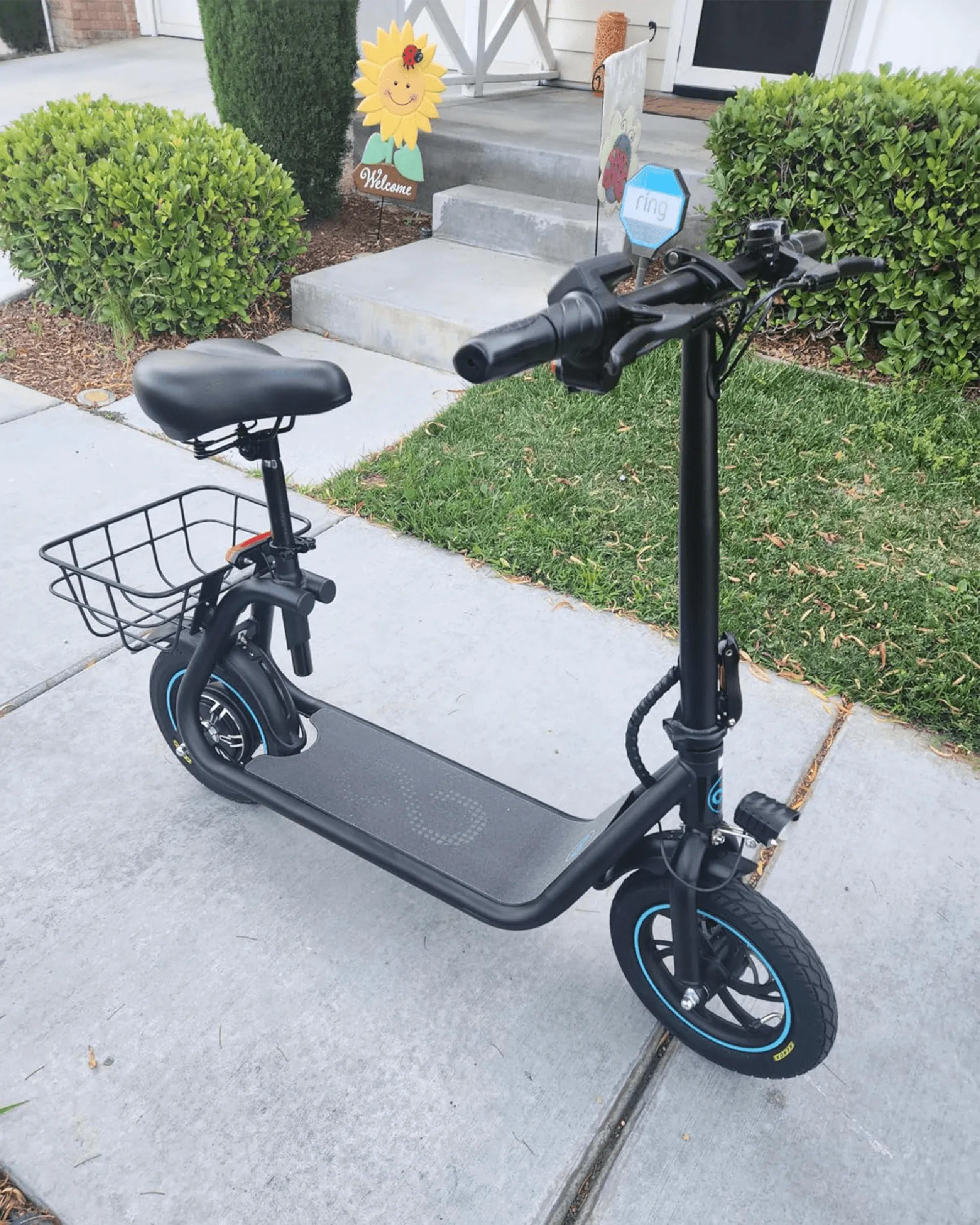
Finding the right e-bike for a 6-year-old is about unlocking a new world of confidence and family adventure. This guide will provide you with a detailed, data-driven framework to select a safe, durable, and age-appropriate electric bike. You'll learn the non-negotiable safety features, understand key specifications, and discover how the right model can transform your child's riding experience from a frustrating challenge into a joyful journey of independence.
Introduction: The First Pedal Revolution – Why Kids' E-Bikes Are Redefining Play
For many six-year-olds, transitioning from a balance bike or training wheels to a standard bicycle can be daunting. Hills feel like mountains, and keeping up with parents or older siblings on a family ride is often impossible. An e-bike for a 6 year old, specifically designed with stringent safety limits, directly addresses these hurdles. It is not about replacing pedaling or encouraging excessive speed; it's about providing a controlled boost that builds confidence, reduces physical frustration, and makes cycling an immediately rewarding activity. This guide will dissect the critical elements that make a kids' e-bike a safe and empowering tool for development and family fun.
Why Consider an E-Bike for a 6-Year-Old? Key Benefits Beyond Just Fun
The primary benefit of an e-bike for a 6 year old is accelerated confidence building. The gentle, adjustable pedal-assist allows a child to conquer small inclines and maintain a comfortable pace without the panic and exhaustion that can lead to giving up. This sustained success encourages more practice and faster mastery of balance and bike handling skills. Furthermore, it promotes inclusivity on family outings. A child on a properly limited e-bike can comfortably join longer rides on bike paths or trails, keeping the family unit together and active without constant stops and encouragement. It transforms cycling from a solitary skill practice into a shared, positive family experience.
Critical Safety Features: Non-Negotiables for a Child's E-Bike
When evaluating an e-bike for a 6 year old, safety engineering must be the paramount concern, far outweighing top speed or flashy aesthetics. The core features outlined here are absolute essentials that responsible manufacturers prioritize. These elements form the foundation of a secure riding experience, allowing the fun and freedom of electric power to be enjoyed without undue risk. Brands that cut corners in these areas should be immediately disqualified from consideration.
Speed Limiters and Parental Control Systems
A speed limiter is the most crucial safety component on any e-bike for a 6 year old. The maximum speed should be capped at a safe level, typically between 10 and 12 miles per hour. Look for models with multiple, easily selectable speed modes (e.g., Mode 1: 5 mph, Mode 2: 8 mph, Mode 3: 12 mph). This allows you to start your child at the lowest setting and gradually increase as their skills and judgment improve. The best systems have simple, password-protected or key-controlled parental settings to prevent the child from altering these limits independently.
Responsive and Redundant Braking Systems
Reliable stopping power is non-negotiable. For this age group, a dual-brake system is highly recommended. This often combines a front hand brake (caliper or disc) with a rear coaster (pedal-back) brake. The coaster brake is intuitive for beginners, while the hand brake teaches proper braking technique for future riding. Both systems must be tested regularly for immediate, smooth engagement without jarring locks. The brake levers should be sized for small hands and require minimal force to actuate.
Frame Geometry, Weight, and Stability
The bike's physical design directly impacts safety and control. A low stand-over height is essential, allowing the child to easily place both feet flat on the ground when stopped, which is critical for confidence and stability. The frame should be constructed from lightweight but durable aluminum to ensure the child can handle the bike, especially if they need to walk it. A balanced center of gravity, with the battery pack mounted low and centrally, prevents awkward top-heaviness that can lead to tipping, especially during low-speed maneuvers.
The Gyroor Difference: Engineering Trust for Your Young Rider
As a leading electric mobility brand trusted by over 100,000 riders, Gyroor's approach to youth e-bikes is defined by a foundational commitment to safety and durability that aligns perfectly with the non-negotiables outlined above. Our engineering philosophy prioritizes certified components, real-world resilience, and long-term support, ensuring that the e-bike for a 6 year old in your family is a source of joy, not anxiety.
UL-Certified Battery: Our Commitment to Safety First
Every Gyroor e-bike utilizes a UL-certified battery pack. This certification means the battery has undergone rigorous independent testing for electrical and fire safety, including assessments for overcharging, short-circuiting, and extreme temperatures. For a parent, this translates to profound peace of mind, knowing the power source at the heart of the bike meets the highest recognized safety standards. It is a critical differentiator that should be a primary filter in your selection process.
Built for Real-World Adventures: IPX5 Water Resistance
Children ride through puddles, in light rain, and on dewy grass. An e-bike for a 6 year old must be built for these conditions. Gyroor designs its kids' models with IPX5 water-resistant ratings for key electrical components. This level of protection guards against water jets from any direction, ensuring that splashes or wet conditions won't damage the motor, controller, or battery connections, guaranteeing reliable performance and longevity through everyday adventures.
Peace of Mind with Every Ride: The 1-Year Comprehensive Warranty
Investing in a child's e-bike is an investment in years of fun. Gyroor backs this with a robust 1-year warranty on the frame, motor, battery, and controller. This comprehensive coverage, supported by US-based customer service, ensures that you have expert assistance should any issue arise. It reflects our confidence in the quality and durability of our products and our commitment to supporting your family long after the initial purchase.
Choosing the Right Model: Key Specifications for a 6-Year-Old
Understanding product specifications is key to making an informed choice. The numbers should align with the developmental stage and physical size of a six-year-old child, prioritizing manageable power and a comfortable, adjustable fit over extreme performance.
Motor Power and Range: What's Appropriate?
For an e-bike for a 6 year old, motor power should be modest, typically in the 100W to 150W range. This provides ample assist for hills and maintaining pace without delivering acceleration that could be startling or difficult to control. Range is about sufficiency for a child's typical outing. A battery offering 8 to 12 miles per charge is more than adequate for park visits or neighborhood explorations and can usually be recharged in 2-4 hours. It's about enabling adventure, not endurance.
Wheel Size, Tire Type, and Adjustability
The correct wheel size is crucial for handling and comfort. For most six-year-olds (typically 42-48 inches tall), 16-inch wheels are the standard starting point, with some taller children ready for 18-inch wheels. Air-filled (pneumatic) tires provide better shock absorption and traction than solid rubber tires. Crucially, the seat post and handlebar stem must be easily adjustable without tools to fine-tune the fit as your child grows, ensuring a proper, safe riding posture for multiple seasons.
Weight Limit and Overall Build Quality
Always check the manufacturer's stated maximum weight limit, which should comfortably exceed your child's current weight with room for growth and a backpack. The overall weight of the e-bike itself is a critical but often overlooked spec. A target weight of 25-35 pounds is ideal—light enough for a parent to carry easily and for the child to manage briefly, yet solid enough to feel stable and durable. This balance is a hallmark of thoughtful design.
| Feature | Ideal Specification for a 6-Year-Old | Why It Matters |
|---|---|---|
| Max Speed | 10-12 mph (with limiter) | Ensures controllable, safe pace for developing skills. |
| Motor Power | 100W - 150W | Provides gentle, adequate assist without excessive torque. |
| Battery Safety | UL-Certified | Independent verification of electrical and fire safety. |
| Frame Material | Lightweight Aluminum | Offers durability without being too heavy for the child. |
| Wheel Size | 16" or 18" | Proper fit for height ensures stability and control. |
| Brake System | Dual (e.g., Coaster + Hand Brake) | Provides intuitive and redundant stopping power. |
Parent's Guide: Pre-Ride Checklist and Riding Best Practices
Ownership of an e-bike for a 6 year old comes with the responsibility of establishing safe habits from day one. This proactive approach maximizes fun and minimizes risk, ensuring every outing is a positive experience.
Gear Up: Essential Safety Equipment is Mandatory
A properly fitted, CPSC-certified bicycle helmet is an absolute, non-negotiable requirement for every single ride. Elbow and knee pads are highly recommended, especially during the learning phase. Children must wear closed-toe shoes (no sandals or flip-flops) and bright, visible clothing. Consider adding reflective stickers to the bike frame for low-light visibility.
Setting Rules and Choosing a Practice Environment
Before the first ride, establish clear, simple rules: always wear a helmet, ride only in designated safe areas (sidewalks where legal, parks, bike paths), obey speed modes, and stay within sight. The ideal first riding environment is a large, empty, paved area like a school parking lot on a weekend. This provides a controlled, hazard-free space to practice starting, stopping, turning, and using the pedal-assist before venturing onto shared paths.
Maintenance Basics for Longevity and Safety
A simple weekly check takes only minutes but is vital. Inspect tire pressure and inflate to the PSI marked on the tire sidewall. Squeeze the brake levers to ensure they engage firmly and the brakes stop the wheel completely. Check that all bolts (especially on the handlebars and seat) are tight. Follow the manufacturer's battery charging guidelines—typically, avoid leaving the battery fully depleted or at 100% charge for extended periods when not in use.
Frequently Asked Questions (FAQs)
Q1: Are e-bikes safe for 6-year-olds?
Yes, when they are specifically designed for children with integrated safety features like speed limiters, parental controls, and robust braking systems. Safety is determined by the bike's engineering and, most importantly, by active parental supervision, proper training, and consistent use of safety gear. A quality e-bike for a 6 year old from a reputable brand is built with these risks in mind.
Q2: Won't an e-bike prevent my child from learning to pedal?
Not at all. Most quality kids' e-bikes are pedal-assist, meaning the motor only provides power when the child is pedaling. This encourages and rewards the pedaling motion. Many models also feature a pure traditional bicycle mode where the motor can be switched off entirely, allowing for standard pedal-only practice. The e-assist often reduces frustration, allowing them to pedal longer and build stamina.
Q3: How fast should a 6-year-old's e-bike go?
The maximum speed, governed by a built-in limiter, should not exceed 10-12 miles per hour. This is the widely accepted safe threshold for this age group, balancing a sense of fun with manageable control. The ability to start with even lower speed modes (e.g., 5-8 mph) is a highly valuable feature for beginners.
Q4: What is the average battery life and charging time?
For a typical e-bike for a 6 year old with a modest motor, expect a range of 8-12 miles per charge, depending on terrain, rider weight, and assist level. Charging a depleted battery to full usually takes between 2 to 4 hours. Always refer to and follow the specific manufacturer's charging instructions to maximize battery lifespan, which is often 500+ charge cycles for quality packs.
Q5: Can the bike get wet?
This depends entirely on the bike's water resistance rating. Models like those from Gyroor with an IPX5 rating are designed to withstand water splashes and light rain, making them suitable for riding through puddles or in damp conditions. However, no children's electric bike should be submerged or pressure-washed. Always check the manufacturer's specifications for water resistance limits.
Conclusion: Fostering Confidence and Joy on Two Wheels
Selecting the right e-bike for a 6 year old is a meaningful decision that blends practicality with the promise of adventure. By prioritizing UL-certified batteries, speed limiters, durable water-resistant construction, and an adjustable, child-proportioned frame, you invest in more than a toy—you invest in a tool for building confidence, encouraging physical activity, and creating lasting family memories. The goal is to provide a safe, controlled introduction to personal mobility that emphasizes skill development and pure, joyful exploration. When chosen wisely, an e-bike can be the key that unlocks a lifelong love of cycling and the outdoors. Ready to explore models built with these rigorous safety and quality standards in mind? Browse the full Gyroor collection at gyroorboard.com to find the perfect electric companion for your young rider's next adventure.
12000W Ebike: The Ultimate Guide to Extreme Electric Bike Performance
12000W Ebike: The Ultimate Guide to Extreme Electric Bike Performance