



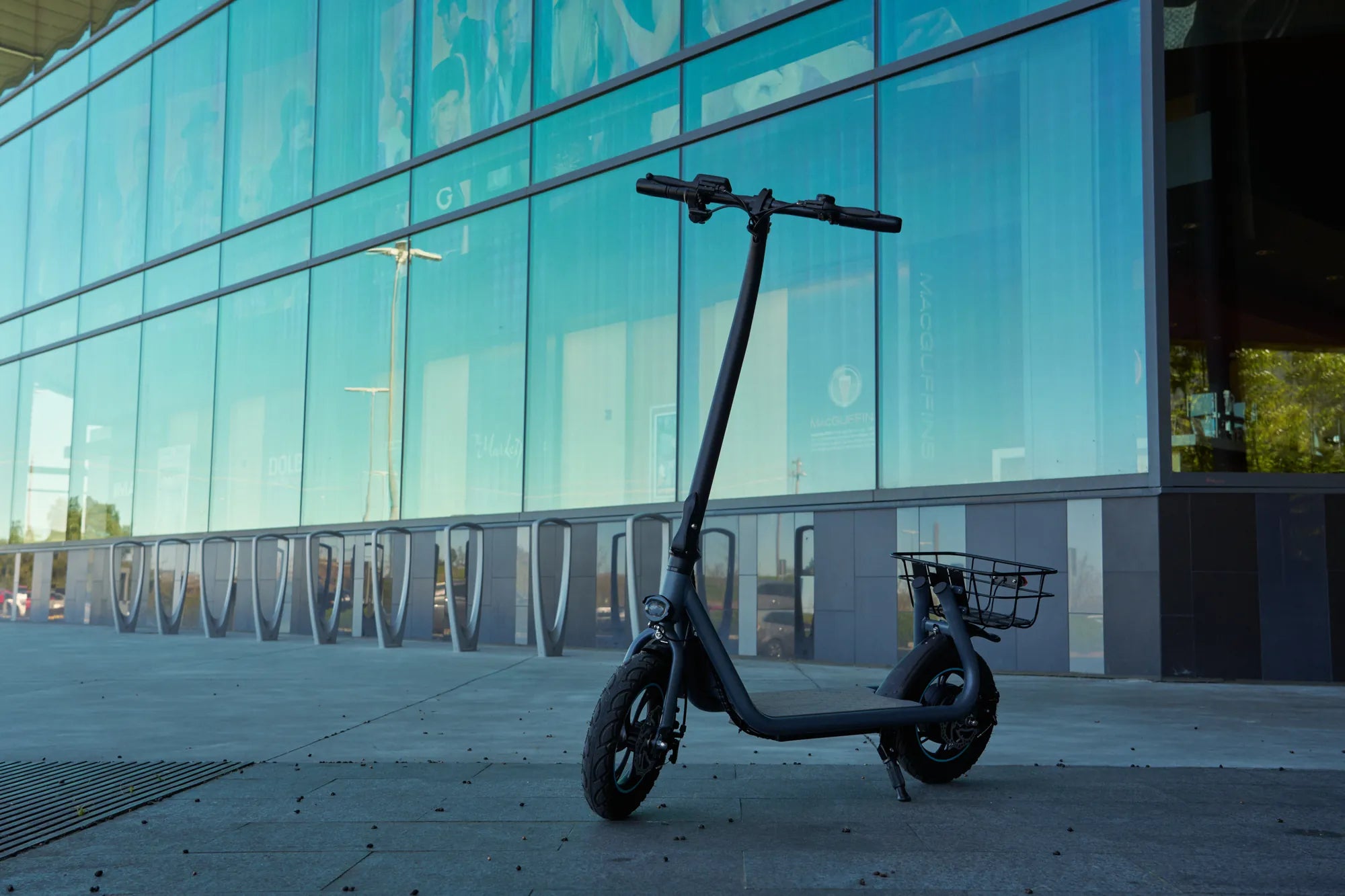
Electric bikes are revolutionizing transportation in Nepal, offering an eco-friendly and cost-effective alternative to traditional fuel-powered vehicles. With rising fuel costs and growing environmental awareness, more Nepalese consumers are turning to electric bikes. But how much should you expect to pay for one? This guide dives deep into the electric bike price in Nepal, helping you navigate the market and make the best choice for your needs.
Factors Affecting Electric Bike Prices in Nepal
Several key factors influence the price of electric bikes in Nepal. Understanding these can help you determine which model fits your budget and requirements.
Battery Capacity and Range
The battery is one of the most critical components of an electric bike. Higher-capacity batteries with longer ranges typically cost more. Entry-level models may offer 30-50 km per charge, while premium models can exceed 100 km.
Motor Power
Motor power, measured in watts, affects performance and price. Bikes with 250W to 500W motors are common for city commuting, while high-performance models with 750W+ motors command higher prices.
Build Quality and Materials
Frames made from lightweight aluminum or carbon fiber are more expensive than steel frames. Premium models also feature better suspension, brakes, and tires, contributing to a higher price tag.
Brand and Warranty
While we won't mention specific brands, established manufacturers with strong warranties often charge more due to their reputation for reliability and after-sales service.
Electric Bike Price Range in Nepal
Electric bike prices in Nepal vary widely based on the factors mentioned above. Here's a general breakdown:
- Entry-Level Models: NPR 50,000 - 80,000
- Mid-Range Models: NPR 80,000 - 1,50,000
- Premium Models: NPR 1,50,000 and above
Where to Buy Electric Bikes in Nepal
Electric bikes are available through various channels in Nepal, including:
- Authorized dealerships
- Online marketplaces
- Local bike shops
- Direct imports
Each option has its pros and cons regarding price, warranty coverage, and after-sales support.
Government Policies and Incentives
The Nepalese government has implemented policies to promote electric vehicles, including:
- Reduced import duties on electric bikes
- Tax incentives for buyers
- Charging infrastructure development
These initiatives help make electric bikes more affordable for Nepalese consumers.
Maintenance and Running Costs
One of the biggest advantages of electric bikes is their low maintenance costs compared to petrol vehicles. Key expenses include:
- Battery replacement (every 3-5 years)
- Regular servicing
- Electricity costs for charging
When calculating the total cost of ownership, these factors make electric bikes increasingly attractive.
Tips for Buying an Electric Bike in Nepal
To get the best value for your money, consider these tips:
- Determine your daily commuting needs
- Test ride multiple models
- Compare warranty terms
- Check availability of spare parts
- Read customer reviews
The Future of Electric Bikes in Nepal
As technology improves and prices become more competitive, electric bikes are poised to become even more popular in Nepal. With increasing environmental awareness and government support, the market is expected to grow significantly in coming years.
Whether you're looking to save money on fuel, reduce your carbon footprint, or simply enjoy a smoother ride, understanding electric bike prices in Nepal is the first step toward making an informed purchase. The right electric bike could be your ticket to hassle-free commuting while contributing to a greener Nepal.
Electric Bike for 2 Year Old Boy: The Ultimate Guide to Safe and Fun Riding
Is Electric Bike Worth Buying? A Comprehensive Guide to Making the Right Choice