



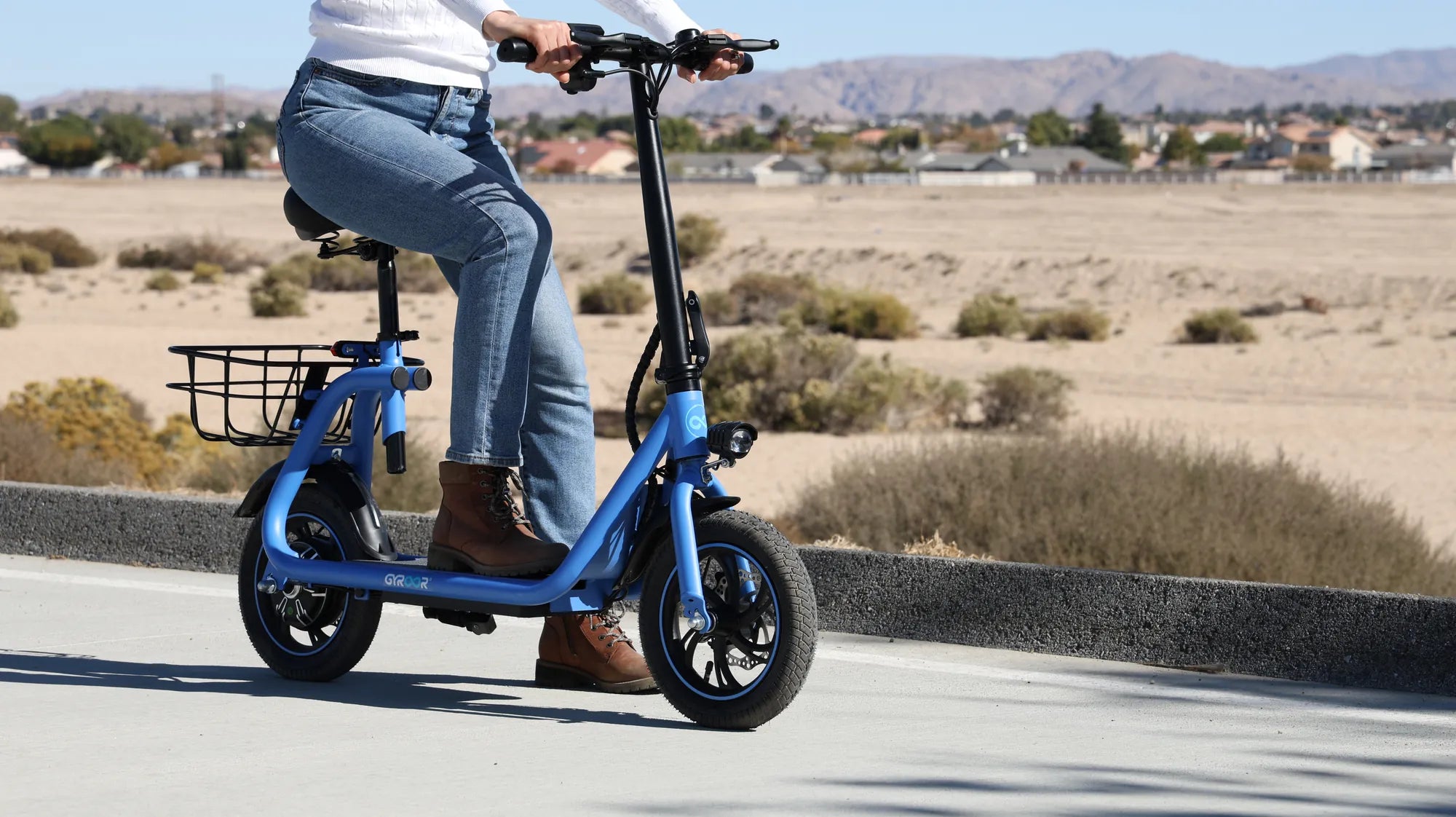
The electric scooter revolution is accelerating faster than anyone predicted, and by 2026, these nimble vehicles will have transformed urban landscapes across the globe. What began as a niche transportation alternative has exploded into a multi-billion dollar industry, with market analysts projecting unprecedented growth in the coming years. Let's dive into the forces propelling this transformation and what riders, cities, and investors can expect as we approach 2026.
The Current State of Electric Scooter Adoption
Urban centers worldwide are witnessing a dramatic shift in transportation preferences, with electric scooters emerging as a preferred solution for last-mile connectivity. Recent studies show that shared scooter systems have become the fastest-growing mode of transport in history, outpacing even ride-hailing services in their adoption rates. This rapid uptake stems from their perfect alignment with modern urban needs: compact size, zero emissions, and cost-effectiveness compared to traditional vehicles.
Key Drivers of Market Growth Through 2026
Several powerful factors are converging to fuel the electric scooter market's expansion:
- Urbanization Pressures: As cities become more congested, the demand for space-efficient transportation solutions grows exponentially.
- Environmental Regulations: Stricter emissions standards and city center access restrictions are pushing commuters toward cleaner alternatives.
- Technological Breakthroughs: Battery density improvements are extending range while reducing charging times and costs.
- Infrastructure Development: Dedicated micro-mobility lanes and charging stations are making scooter use more practical.
Battery Technology Innovations
The heart of the electric scooter revolution lies in battery advancements. By 2026, we expect to see:
- Solid-state batteries becoming commercially viable, offering 2-3 times the energy density of current lithium-ion solutions
- Charging times reduced to under 10 minutes for full capacity
- Battery swapping networks eliminating range anxiety in urban areas
- Self-charging capabilities through regenerative braking and solar integration
Regulatory Landscape and Standardization
As the market matures, governments are working to establish clearer frameworks for electric scooter use. Key developments include:
- Standardized speed limits and power output regulations
- Mandatory safety features like automatic lighting and reflectors
- Insurance requirements and liability frameworks
- Parking and charging zone regulations to prevent sidewalk clutter
Subscription Models and Ownership Trends
The ownership model for electric scooters is undergoing a significant transformation. While personal ownership continues to grow, subscription services are gaining traction, offering users:
- Access to premium models without large upfront costs
- Included maintenance and insurance packages
- Flexibility to upgrade as technology improves
- Multi-city usage through partner networks
Integration with Public Transit Systems
Forward-thinking cities are beginning to treat electric scooters as an integral part of their transportation ecosystems. By 2026, we'll see:
- Seamless payment integration with metro and bus systems
- Designated scooter parking at transit hubs
- Real-time availability data in transit apps
- Subsidized scooter access for transit pass holders
Safety Innovations on the Horizon
Manufacturers are pouring resources into making scooters safer through:
- Advanced stability control systems to prevent accidents
- Collision avoidance technology using sensors and AI
- Smart helmets with integrated communication and navigation
- Self-diagnosing systems that alert riders to maintenance needs
The Economic Impact of Scooter Adoption
The ripple effects of widespread scooter use extend far beyond transportation:
- Reduced infrastructure costs compared to accommodating cars
- Increased foot traffic to local businesses in scooter-friendly areas
- Job creation in manufacturing, maintenance, and charging networks
- Healthcare savings from reduced emissions and increased physical activity
As we race toward 2026, the electric scooter market stands at an inflection point where technology, policy, and consumer behavior align to create a perfect storm of growth. Cities that embrace this shift will reap benefits in reduced congestion, cleaner air, and more livable urban spaces. For commuters, the coming years promise smarter, safer, and more connected scooters that will fundamentally change how we navigate our cities. The micro-mobility revolution isn't coming—it's already here, and its impact will only accelerate as we approach the middle of the decade.
Why Mountain Biking Is Bad: The Hidden Dangers and Downsides
Mountain Biking Risks and Hazards: What Every Rider Should Know