

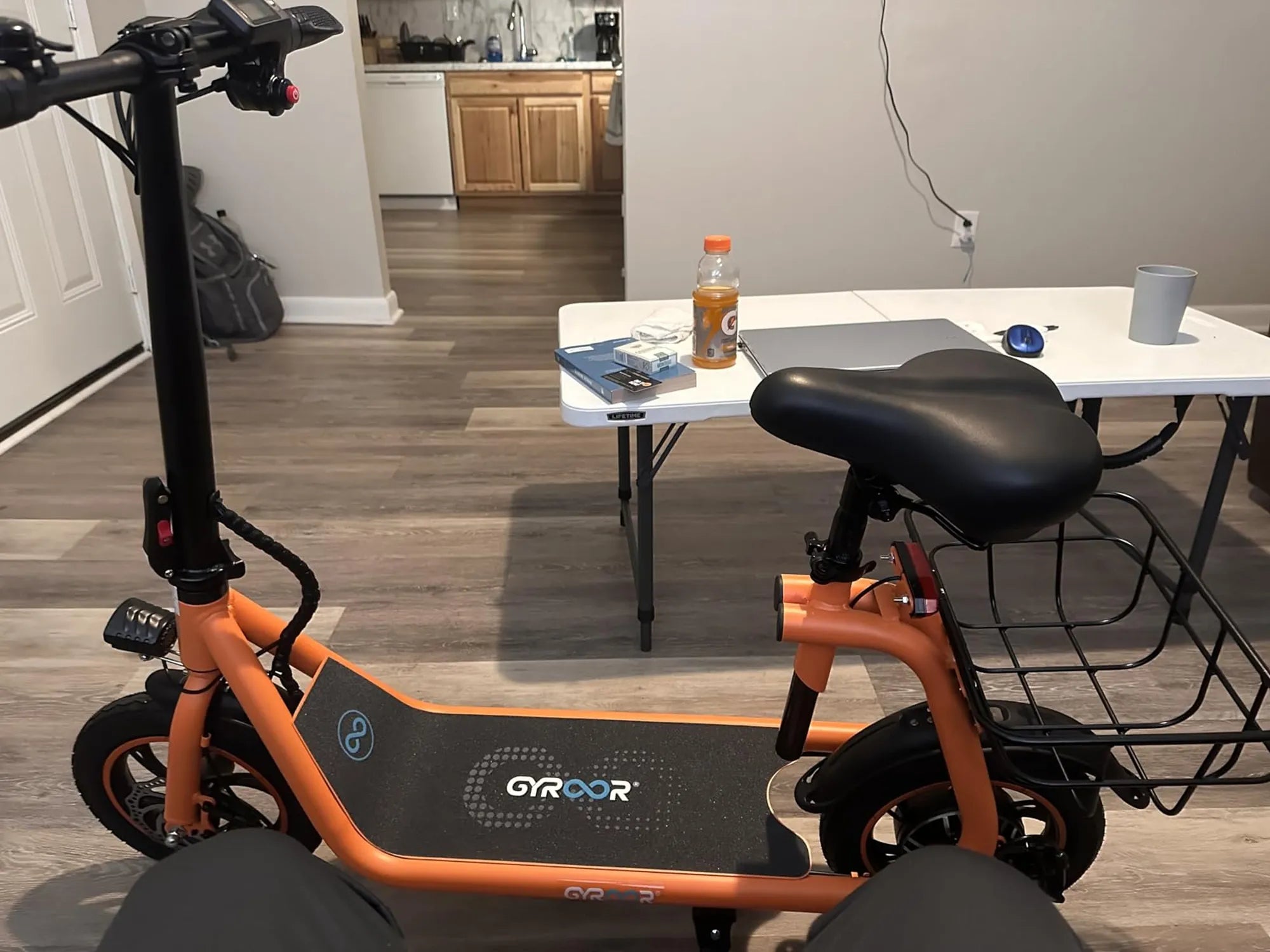
Electric scooters have become a popular mode of transportation, offering convenience, efficiency, and eco-friendliness. But what really makes an electric scooter perform well? The answer lies in its motor specifications. Whether you're a commuter, a thrill-seeker, or just looking for a fun way to get around, knowing the ins and outs of electric scooter motor specs will help you make the right choice.
Understanding Electric Scooter Motor Power
The power of an electric scooter motor is typically measured in watts (W). This rating indicates how much energy the motor can handle and convert into motion. Higher wattage generally means better performance, especially when it comes to speed and hill-climbing ability. For example, a 250W motor is suitable for flat terrains and short commutes, while a 1000W or higher motor is better for steep hills and longer distances.
Voltage and Its Impact on Performance
Voltage (V) is another critical specification. It determines the potential energy available to the motor. Higher voltage systems can deliver more power efficiently, resulting in faster acceleration and better overall performance. Most electric scooters operate on 24V, 36V, or 48V systems. A 48V system, for instance, will generally outperform a 36V system, assuming all other factors are equal.
Motor Types: Brushed vs. Brushless
Electric scooter motors come in two main types: brushed and brushless. Brushed motors are older technology, less efficient, and require more maintenance. Brushless motors, on the other hand, are more efficient, durable, and quieter. They also tend to have a longer lifespan, making them the preferred choice for modern electric scooters.
Efficiency and Energy Consumption
Motor efficiency is a measure of how well it converts electrical energy into mechanical motion. A more efficient motor will provide better range and performance for the same battery capacity. Look for motors with high efficiency ratings to maximize your scooter's range and minimize energy waste.
Torque and Its Role in Performance
Torque is the rotational force produced by the motor, and it plays a significant role in acceleration and hill-climbing ability. Higher torque means better performance in challenging conditions. If you frequently ride on hilly terrain or carry heavy loads, a motor with high torque is essential.
Cooling Systems and Overheating Protection
Overheating can damage an electric scooter motor and reduce its lifespan. Some motors come with built-in cooling systems, such as fans or heat sinks, to prevent overheating. If you plan to use your scooter for extended periods or in hot climates, consider a motor with robust cooling features.
Weight and Size Considerations
The weight and size of the motor can affect the overall design and portability of the scooter. Larger, more powerful motors tend to be heavier, which can impact the scooter's maneuverability. Balance your need for power with the practicality of carrying or storing the scooter.
Noise Levels and Ride Comfort
Brushless motors are generally quieter than brushed motors, contributing to a more comfortable ride. If noise is a concern, opt for a brushless motor with low decibel ratings. This is especially important for urban commuters who want a peaceful ride.
Maintenance and Longevity
Brushless motors require less maintenance than brushed motors, as they have fewer moving parts. Regular checks and proper care can extend the life of your motor, ensuring years of reliable performance. Always follow the manufacturer's guidelines for maintenance.
Choosing the Right Motor for Your Needs
Your choice of motor should align with your riding habits and environment. Commuters may prioritize efficiency and quiet operation, while off-road enthusiasts might focus on power and torque. Consider all the specifications discussed to find the perfect match for your needs.
Electric scooter motor specifications are the backbone of your ride's performance. From power and voltage to efficiency and torque, each detail plays a role in how your scooter handles the road. Armed with this knowledge, you're ready to make an informed decision and enjoy the ride of your life.
How to Remove Electric Scooter Rear Wheel: A Step-by-Step Guide
How to Remove Electric Scooter Rear Wheel: A Step-by-Step Guide