



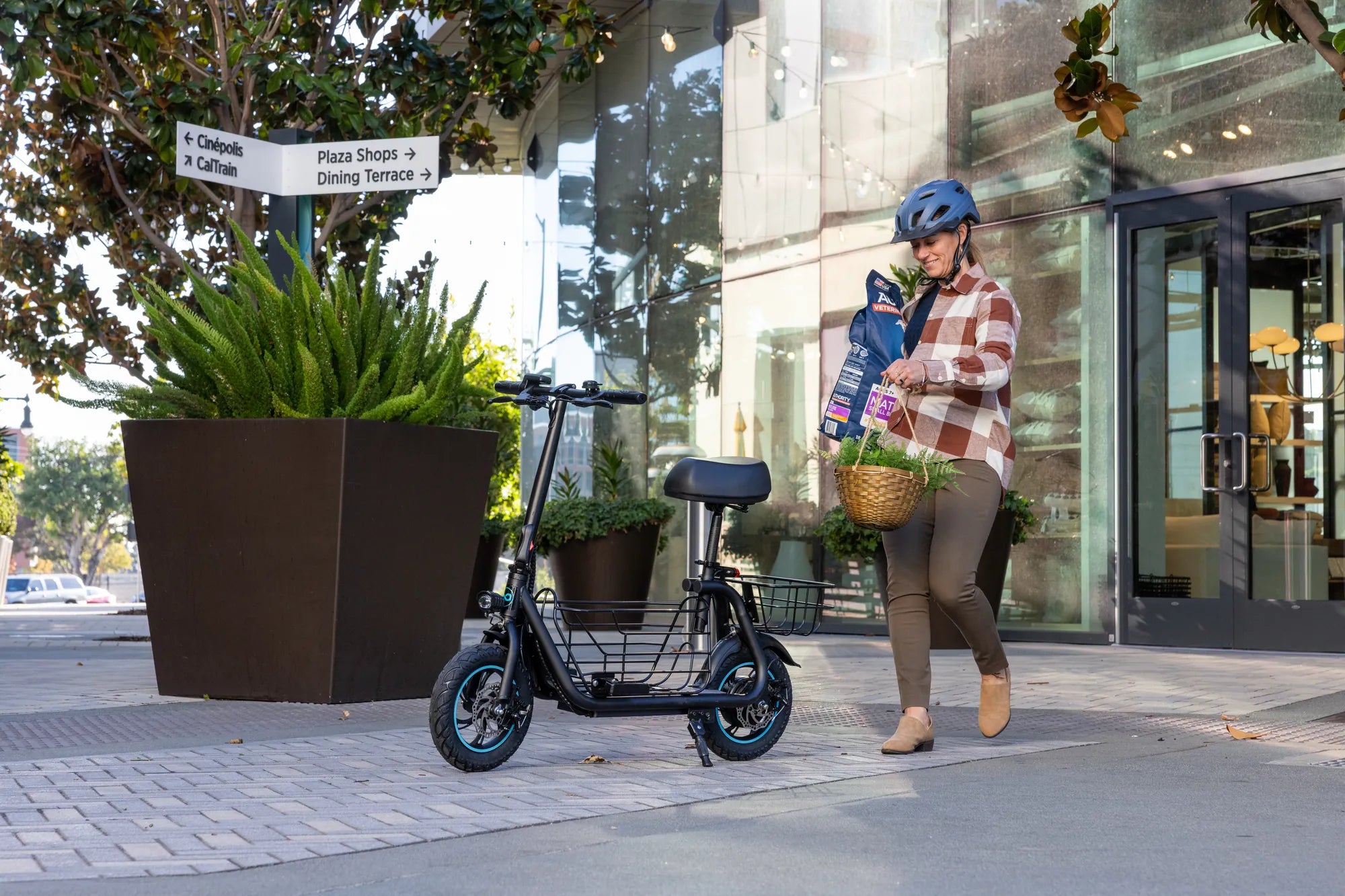
Redefining Urban Mobility on a Budget
Finding a reliable, safe, and efficient electric scooter for adults under $450 is a realistic goal for modern commuters. This price point unlocks a new tier of personal transportation, moving beyond basic toys to legitimate tools for daily travel. The market now offers capable models designed for adults, focusing on essential features that deliver value without compromising core safety or durability. This article explores what you can truly expect, the features that matter most, and how to identify a scooter that offers genuine commuting solutions without hidden costs or risks.
We will analyze the key specifications, from motor power to real-world range, setting clear expectations for performance. You'll learn to prioritize critical safety components like certified batteries and water-resistant builds over flashy, non-essential extras. Furthermore, we will provide a practical buyer's checklist and demonstrate how leading brands engineer value into this competitive segment. The goal is to equip you with the knowledge to make a confident purchase that enhances your daily routine reliably and affordably.
What to Expect from an Electric Scooter Under $450
In the sub-$450 category, you are investing in a competent commuter scooter, not a high-performance machine. The focus is squarely on providing reliable, efficient transportation for short to medium-distance urban travel. Typical specifications for quality models in this range include a motor between 250W and 350W, a top speed of 15 to 18 mph, and a manufacturer-stated range of 15 to 25 miles on a single charge. These specs are well-suited for most city commutes, last-mile solutions, and running local errands.
Build quality should feel solid, often featuring a reinforced aluminum frame, a basic but effective braking system (such as disc or electronic regenerative brakes combined with a foot brake), and essential lighting for visibility. Folding mechanisms are standard, prioritizing portability and storage. While you won't find premium suspensions or expansive digital dashboards at this price, the best models concentrate their budget on the fundamentals: a safe battery, a durable motor, and a stable frame. This pragmatic approach ensures the scooter performs its primary function—getting you from point A to point B efficiently—day after day.
It's crucial to understand that extreme hill-climbing ability or 30+ mile ranges are outside the scope of this budget. Instead, the value proposition is clear: a dependable, purpose-built vehicle that reduces reliance on cars and public transport for everyday trips. Brands that succeed here, like Gyroor, do so by optimizing their supply chains and focusing on core engineering rather than costly marketing gimmicks, passing the savings on to the rider while maintaining rigorous safety standards.
Key Features That Matter: Safety and Reliability Over Gimmicks
When evaluating electric scooters for adults under $450, discerning between essential features and distracting extras is paramount. The cornerstone of a good scooter at any price is safety, which is predominantly determined by its battery system, construction integrity, and weather resistance. A UL-certified battery pack is non-negotiable; it signifies the battery has passed independent safety tests for electrical and fire hazards, a critical consideration for a device you'll charge at home. Similarly, an IPX5 water-resistance rating means the scooter can withstand water jets from any direction, allowing you to ride confidently in light rain or on wet roads without fear of immediate damage.
Reliability stems from these foundational elements. A well-sealed battery compartment and durable motor housing ensure longevity. Look for models with a reputation for robust wiring, secure connectors, and a frame free of obvious weak points. Features like smartphone connectivity or colorful LED underglow are secondary; they add cost but do not contribute to the scooter's primary function or its safe operation over hundreds of charge cycles. A reliable mechanical brake and bright, always-on LED head and tail lights are far more valuable investments for your safety.
Motor Power and Hill Climbing Ability
A 250W to 350W motor is standard for electric scooters for adults under $450. This provides ample power for flat urban landscapes and moderate inclines, such as bridge approaches or gentle hills. You can expect responsive acceleration from a stop and maintained speeds on flat ground. However, performance on steep hills (grades above 15%) will be limited; the scooter may slow down considerably, and the rider might need to assist by kicking off.
This power band is intentionally chosen for efficiency and regulatory compliance in many cities. It offers a balance of adequate torque for daily use while maximizing battery range. For riders in predominantly flat areas, this motor specification is perfectly sufficient. If your commute involves significant hills, it's worth checking specific model reviews for hill-climb tests or considering a slight increase in budget for a more powerful motor, understanding that it may impact the scooter's classification under local laws.
Battery Range and Real-World Usage
Manufacturer range claims are established under ideal laboratory conditions: a lightweight rider, warm temperatures, and slow, consistent speeds on perfectly flat terrain. Real-world range is typically 60-75% of the advertised figure. For a scooter rated at 20 miles, expect a practical range of 12 to 15 miles. Factors like rider weight, frequent stops and starts, cold weather, and hillier routes will reduce this further.
The quality of the battery cells and the battery management system (BMS) is more important than a lofty range claim. A high-quality, UL-certified battery from a brand like Gyroor, rated for 500+ charge cycles, will maintain its capacity far longer than an uncertified pack. This means your scooter's usable range will remain consistent for years, not months. For a daily 5-mile commute, a scooter with a 15-mile real-world range is more than adequate, allowing for multiple trips between charges and preserving battery health by not requiring a full 0-100% cycle every day.
Portability and Build Quality
Portability is a key advantage of electric scooters. Models in this price range typically weigh between 30 and 40 pounds. A well-designed folding mechanism with a secure locking latch is essential for carrying the scooter onto public transit or storing it under a desk. The folding action should feel solid, not flimsy, with no concerning play in the hinge when locked in the riding position.
Build quality is evident in the details: clean welds on the frame, thick deck padding, tightly fitted panels, and smooth-rolling, air-filled or solid rubber tires. The handlebars and stem should have minimal flex when pressure is applied. A scooter that feels sturdy and rattle-free during a test ride is likely built with better materials and tighter tolerances, which translates to greater durability and a safer, more confident riding experience over time.
Top Considerations Before You Buy: A Practical Checklist
Purchasing an electric scooter is an investment in your daily mobility. To ensure you select the right model, use this practical checklist to align the scooter's capabilities with your specific needs, legal environment, and long-term expectations.
Your Primary Use Case: Commute, Errands, or Recreation?
Define your primary use. Is this for a last-mile solution from the train station (1-2 miles)? A full 5-mile each-way commute? Weekend errands around town? For very short trips, ultra-portability and light weight might be the top priority. For a longer commute, comfort (like larger, air-filled tires), range headroom, and a more powerful motor take precedence. Recreational riders might prioritize a smoother ride but still require the same core safety features. Matching the scooter to its most frequent task prevents overpaying for unneeded performance or buying an under-specified model that will disappoint.
Local Laws and Regulations
E-scooter regulations vary widely by city, state, and country. Before buying, research local laws governing where you can ride (bike lanes, roads, sidewalks), maximum permitted speed (often 15-20 mph), minimum rider age, and helmet requirements. Many jurisdictions require lights and a bell. Purchasing a scooter that far exceeds local speed limits can be impractical and illegal. Choosing a model that complies with common regulations, such as those with a top speed around 18 mph, ensures you can ride legally and responsibly.
The True Cost of Ownership: Warranty and Support
The initial purchase price is just the beginning. Consider the true cost of ownership, which includes maintenance, potential repairs, and battery replacement. A comprehensive warranty is your best protection. Look for a brand that offers at least a 1-year warranty covering the battery, motor, and frame. Accessible customer support, preferably based in your region, is invaluable if issues arise.
Brands like Gyroor, which offer a 1-year warranty and have a track record of supporting over 100,000 riders, demonstrate confidence in their product's longevity. This support network adds significant value, ensuring you're not left with a non-functional scooter and a costly repair bill a few months after purchase. Reliable after-sales service is a hallmark of a trustworthy manufacturer in the affordable segment.
How Gyroor Delivers Value in the Affordable Segment
Gyroor establishes its value proposition in the sub-$450 market by applying its core engineering principles—developed for higher-end models—to its budget-friendly lineup. The brand refuses to compromise on the foundational pillars of safety and durability, even at a competitive price point. This is achieved through vertical integration in key areas and a focus on high-volume, high-quality component sourcing.
Every Gyroor scooter, including its affordably priced models, features a UL-certified battery pack. This is a critical differentiator, as many competitors in this price tier use uncertified batteries to cut costs, introducing potential safety risks. Furthermore, an IPX5 water-resistance rating is standard, providing all-weather reliability that many budget scooters lack. By making these features non-negotiable, Gyroor ensures that riders receive a product built for real-world, daily use, not just a low sticker price.
The brand's scale, serving over 100,000 riders, allows for economies of scale that benefit the consumer. Investments in durable motor design, robust folding mechanisms, and reliable electronic controllers are amortized across a large number of units. This enables Gyroor to include a comprehensive 1-year warranty and maintain accessible customer support, offering peace of mind that is often absent when purchasing from unknown or fly-by-night brands. The value is clear: proven safety technology, dependable construction, and legitimate support, all within the target budget for electric scooters for adults under $450.
Comparison of Commuter Scooter Features in the Affordable Range
The table below compares typical specifications and critical features you should evaluate when shopping. It highlights how focusing on certified safety and core durability provides long-term value, even within a constrained budget.
| Feature Category | Budget Focus (Under $450) | Premium Focus (Over $700) | Why It Matters for Commuting |
|---|---|---|---|
| Battery Certification | UL-Certified (e.g., Gyroor) | UL-Certified | Ensures safety from fire/electrical hazards during charging and use. Non-negotiable. |
| Motor Power | 250W - 350W | 500W - 1000W+ | Provides adequate speed (15-18 mph) for urban flats and moderate inclines efficiently. |
| Water Resistance | IPX5 Rating | IPX6 or IPX7 | IPX5 protects against rain and wet roads, essential for all-weather reliability. |
| Frame & Build | Reinforced Aluminum, Reliable Folding Mechanism | Aerospace-Grade Aluminum, Advanced Suspension | A solid frame and secure latch are crucial for durability and safety; suspension adds comfort. |
| Warranty & Support | 1-Year Comprehensive (Key Differentiator) | 2+ Years | A 1-year warranty signals manufacturer confidence and protects your investment. |
| Real-World Range | 12 - 18 miles | 25 - 40+ miles | Sufficient for most daily commutes (5-10 miles round trip) with a safety margin. |
Smart Shopping Tips: Finding the Best Deal
Securing the best value requires strategy beyond just comparing listed prices. First, consider timing your purchase around major sales events like Black Friday, Cyber Monday, or brand anniversaries, when reputable companies often offer significant discounts. Always purchase from authorized retailers or the brand's official website to guarantee your warranty is valid; buying from unauthorized third-party sellers can void coverage.
Diligently read user reviews, focusing on comments about long-term reliability, customer service experiences, and real-world range reports after several months of use. Be extremely wary of prices that seem impossibly low; they almost always indicate inferior, uncertified batteries, poor-quality motors, and non-existent customer support. The adage "you get what you pay for" holds true. A fair price for a quality electric scooter for adults under $450 reflects the cost of safe batteries, decent materials, and legitimate business operations.
Finally, calculate the total cost. Does the price include shipping? Are there any assembly requirements? What is the return policy? Answering these questions helps avoid surprise costs and ensures a smooth purchasing experience. Investing time in research upfront prevents frustration and additional expenses down the line.
Conclusion: An Affordable Ticket to Efficient Commuting
A well-chosen electric scooter under $450 is a powerful tool for reclaiming time, saving money, and reducing your carbon footprint. The key to success lies in prioritizing verified safety features and robust construction from a trustworthy brand over maximum speed or luxury extras. By focusing on UL-certified batteries, proper water resistance, and a solid warranty, you invest in a vehicle built for daily use, not just a low initial cost.
Brands that champion these fundamentals, like Gyroor, prove that affordability does not require compromising on core safety or reliability. Your commute is a daily reality—equip it with a solution designed to be dependable. Explore how a thoughtfully engineered scooter can transform your travel routine, offering a sense of freedom and efficiency that is well within reach.
Ready to find your ideal commuting partner? Browse the full Gyroor collection at gyroorboard.com to discover UL-certified, IPX5-rated electric scooters that deliver safety, reliability, and value.
Frequently Asked Questions (FAQ)
Q1: Is an electric scooter under $450 powerful enough for my 5-mile daily commute?
Absolutely. A quality scooter in this range, with a 250W-350W motor and a real-world range of 12-18 miles, is ideally suited for a 5-mile (10-mile round trip) commute. It provides sufficient speed (15-18 mph) to navigate city streets efficiently and enough range to complete your trip with a comfortable buffer, even accounting for variables like wind or slight inclines.
Q2: How long does the battery typically last before needing replacement?
Battery lifespan is measured in charge cycles. A high-quality, UL-certified battery from a reputable brand is typically rated for 500+ full charge cycles. With regular use (e.g., charging every other day), this translates to 2-3 years before you might notice a significant reduction in range (e.g., a 20% decrease). Proper care, like avoiding full discharges and not leaving the scooter fully charged for extended periods, can extend this lifespan further.
Q3: Can I ride an e-scooter in the rain if it has an IPX5 rating?
Yes, an IPX5 rating means the scooter is protected against water jets from any direction, making it safe to ride in light to moderate rain and on wet roads. However, it is not designed for submersion or riding through deep puddles. Always exercise caution, reduce speed on wet surfaces, and avoid charging the scooter until it is completely dry. An IPX5 rating, like those on Gyroor scooters, provides essential all-weather utility for commuters.
Q4: What is the most important maintenance task for a budget e-scooter?
The single most important regular task is checking tire pressure (for air-filled tires). Properly inflated tires improve range, ride comfort, and braking performance, and they prevent pinch flats. Other crucial checks include ensuring all bolts (especially on the folding mechanism and handlebars) are tight, testing brakes before each ride, and keeping the scooter clean and dry. A simple 5-minute pre-ride check can prevent most common issues.
Q5: Are spare parts readily available for models in this price range?
This varies greatly by brand. With reputable brands that have an established presence and good customer support, like Gyroor, common wear parts (tires, tubes, brake pads) are typically available for purchase directly from the company or through authorized partners. This is a key reason to choose a brand with a track record; obscure brands may offer no parts support, turning a simple repair into a reason to replace the entire scooter.
Electric Scooters Detroit: The Future of Urban Mobility
Safety of Electric Scooters: A Complete Pre-Ride Guide