



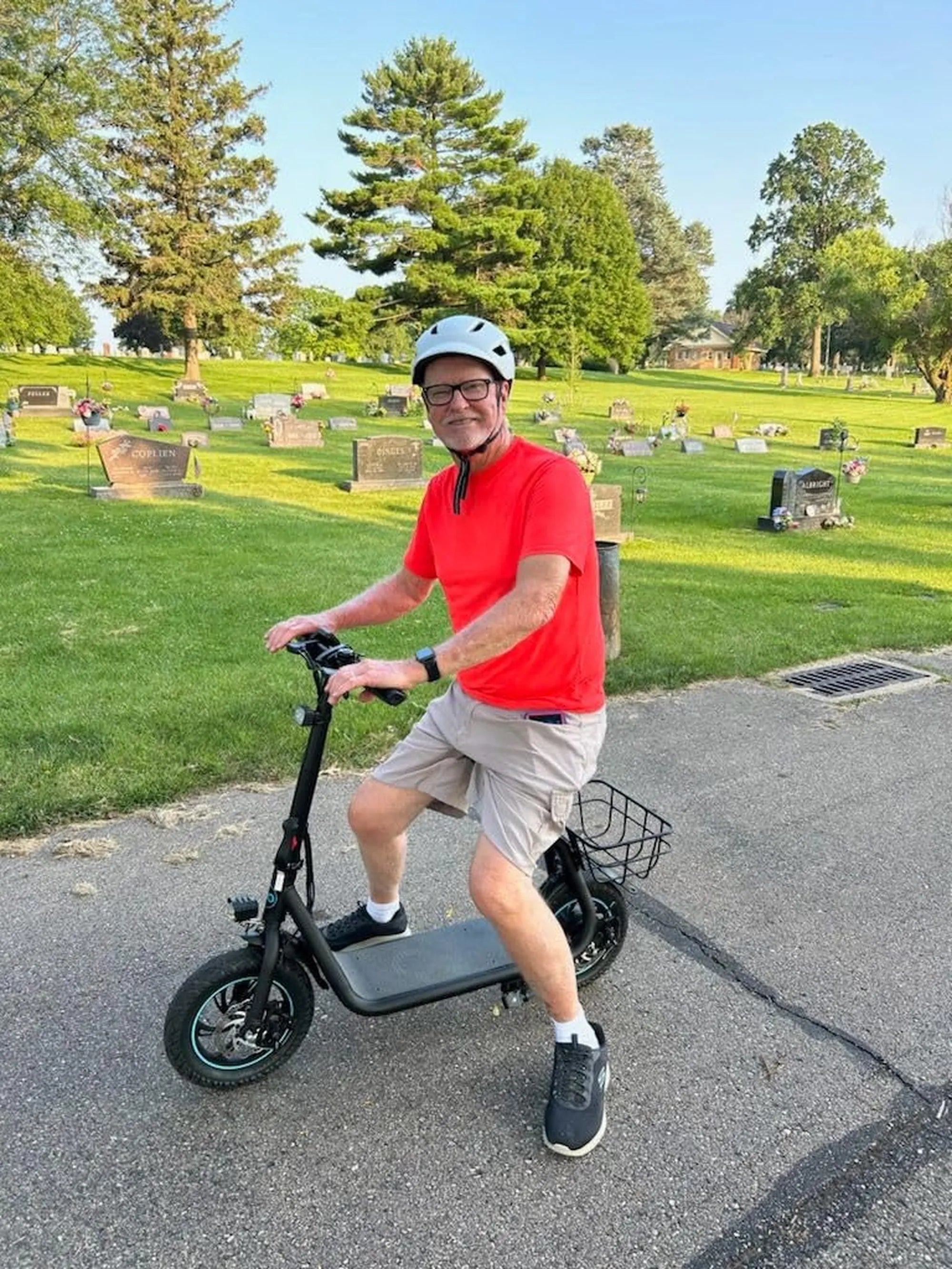
Redefining Mobility for Seniors with Electric Scooters
Maintaining independence and staying connected to community life becomes a primary concern for many elderly individuals. Challenges like reduced stamina, joint pain, or a simple reluctance to walk long distances can gradually shrink one's world. Electric scooters for elderly people: a safe and convenient mobility solution are fundamentally changing this narrative. They are not toys but legitimate personal transportation devices engineered to restore freedom, safety, and joy to everyday travel.
This article will provide a comprehensive, data-driven guide to selecting and using an electric scooter for senior mobility. You will learn the critical safety features that are non-negotiable, how to match a scooter to specific lifestyle needs, and essential riding practices. We will reference technologies from leading brands like Gyroor, trusted by over 100,000 riders for their focus on UL-certified safety and reliable performance, to illustrate what a senior-appropriate model entails.
Key Safety Features to Prioritize for Senior Riders
Choosing an electric scooter for an elderly rider requires a safety-first mindset. The right features mitigate risk and build confidence, transforming the scooter from a novelty into a dependable tool.
Stability and Wheel Design
Stability is paramount. Larger wheel diameters, typically 10 inches or more, provide greater stability and roll over cracks and bumps more easily than smaller 8-inch wheels. Air-filled (pneumatic) tires offer superior shock absorption compared to solid tires, creating a smoother ride that reduces vibration transferred to the rider's joints and spine. This design directly addresses comfort and control concerns for senior users.
Intuitive Braking Systems
Reliable stopping power is non-negotiable. A dual braking system—combining a front electronic brake and a rear mechanical disc or drum brake—provides redundant, fail-safe stopping ability. Many advanced models also feature regenerative braking, which helps slow the scooter smoothly while recapturing energy, offering controlled descents on gentle hills and extending battery range.
Low-Step Design and Ergonomics
A low, flat deck is essential for easy, safe mounting and dismounting, minimizing the risk of trips or falls. An adjustable handlebar or stem allows the rider to find a comfortable, upright riding posture that doesn't strain the back or shoulders. These ergonomic considerations are critical for ensuring the scooter is accessible and comfortable for extended use.
Lighting and Visibility
Senior riders must be seen. A bright front LED headlight (200 lumens or more) and a solid rear brake light are mandatory for dawn, dusk, or evening rides. Additional side reflectors and an integrated, loud bell or horn complete the visibility package, ensuring the rider can see the path ahead and alert pedestrians and vehicles to their presence.
The Gyroor Advantage: Engineered for Confidence and Peace of Mind
When evaluating scooters for senior safety, Gyroor’s design philosophy aligns directly with the critical needs outlined above. Their models are built with features that provide tangible peace of mind for both the rider and their family.
UL-Certified Battery: The Foundation of Safe Power
The battery is the heart of the scooter. Gyroor uses exclusively UL-certified lithium-ion battery packs. This independent certification is crucial, verifying that the battery has passed rigorous tests for electrical, mechanical, and fire safety. For a senior rider, this means protection from potential thermal runaway hazards and assurance of long-term, reliable performance through 500+ charge cycles, enabling daily use without worry.
IPX5 Water Resistance: Ready for Everyday Conditions
Unexpected weather shouldn't end mobility. An IPX5 water resistance rating means the scooter's electrical components are protected against water jets from any direction. This allows riders to confidently navigate damp roads, ride through puddles, or get caught in a light rain while running errands, without fear of a sudden electrical short or failure.
Warranty and Support: Your Long-Term Mobility Partner
Investing in mobility is investing in independence. Gyroor backs its products with a comprehensive 1-year warranty and accessible customer support. This commitment ensures that any manufacturing issues are resolved promptly, safeguarding the rider's investment and ensuring their primary mode of local transport remains operational. It transforms a product purchase into a reliable partnership.
Practical Considerations: Choosing the Right Model for Your Lifestyle
Beyond core safety specs, the ideal scooter must fit the rider's daily routine. This practical assessment ensures the technology enhances life rather than complicating it.
Assessing Range Needs: Groceries vs. Community Tours
Advertised range varies based on weight, terrain, and speed. For practical purposes, a scooter with a 15-20 mile real-world range is excellent for daily errands like trips to the grocery store, pharmacy, or local café. For seniors who enjoy longer recreational outings, park tours, or community events, a model with a 30+ mile range provides a comfortable buffer and eliminates range anxiety.
Portability and Storage: Folding Mechanisms and Weight
A simple, secure one-step folding mechanism is vital. It allows the scooter to be compactly stored in a closet, apartment hallway, or car trunk for multi-modal trips. Weight is a key factor; models under 40 lbs are manageable for most to lift, while heavier, more feature-rich models may trade portability for extended range and suspension. Consider where and how often it will need to be carried.
Comfort Enhancements: Seating Options and Suspension
For those who prefer not to stand for entire journeys, a comfortable, optional seat attachment can transform the scooter. Additionally, a front or dual suspension system works in tandem with pneumatic tires to absorb road vibrations, making rides on suburban paths or slightly uneven sidewalks significantly more comfortable, especially for those with back or joint concerns.
Comparison of Scooter Types for Senior Use Cases
| Primary Use Case | Recommended Model Type | Key Features to Look For | Gyroor Lineup Example |
|---|---|---|---|
| Urban Errands & Short Trips | Compact Folding Scooter | ~20 mi range, 10" pneumatic tires, simple fold, dual brakes, IPX5 rating. | Gyroor F1 Pro: Emphasizes portability and essential safety for city dwellers. |
| Suburban Recreation & Park Rides | Comfort-Focused Commuter | 30+ mi range, front suspension, optional seat, bright lighting, robust frame. | Gyroor S1: Designed for smoother rides on longer recreational outings. |
| All-Terrain & Park Paths | Off-Road Capable Model | Large pneumatic tires (10"+), powerful dual motor, enhanced suspension, high ground clearance. | Gyroor H30: Provides stability and power for varied surfaces beyond pavement. |
Enhancing Safety: Essential Accessories and Riding Best Practices
The safest scooter is only one part of the equation. Rider gear, preparation, and behavior complete the safety ecosystem.
Must-Have Safety Gear
Every ride should begin with proper gear. A CPSC-certified bicycle helmet is absolutely non-negotiable. A high-visibility vest or brightly colored clothing dramatically increases daytime visibility. Sturdy, closed-toe shoes with good grip are essential for secure footing when mounting, dismounting, and stabilizing at stops.
Pre-Ride Checklist and Maintenance
Develop a quick 30-second pre-ride habit. Check tire pressure for proper inflation. Test both brake levers for firm responsiveness. Ensure front and rear lights are functional. Confirm the battery has adequate charge for the planned trip. Periodically check that all folding mechanisms and fasteners are tight. This routine prevents most common issues.
Smart Riding Habits for Urban and Suburban Areas
Always ride defensively. Use bike lanes where they are legally permitted and safe. On sidewalks, yield extensively to pedestrians and travel at walking speed. Practice slow-speed maneuvering and controlled braking in an empty parking lot. Use clear hand signals for turns and stops. Plan your route to avoid high-traffic roads and steep hills when possible.
Frequently Asked Questions (FAQs) for Seniors and Families
Q: Is it difficult for a senior to learn to ride an electric scooter?
A: Modern electric scooters are designed for intuitive use. Most seniors can become comfortable within 30-60 minutes of practice in a safe, open area. Key skills are gentle acceleration, using the brakes, and balancing at low speeds. Starting with a model that has a beginner or eco speed mode is highly recommended.
Q: What is the typical weight capacity for these scooters?
A>Quality scooters designed for adults typically have a weight capacity of 220 to 330 lbs (100 to 150 kg). Always check the manufacturer's specified maximum load and choose a model that accommodates the rider's weight plus any cargo (like a grocery bag) with a margin of safety.
Q: How do I charge and maintain the battery for maximum longevity?
A>For a UL-certified battery like those in Gyroor scooters: Avoid draining it to 0%. Try to recharge when it reaches 20-30%. Store the scooter in a cool, dry place, and if not using for an extended period, store it with a 50-60% charge. Use only the manufacturer-provided charger.
Q: Are electric scooters for seniors allowed in parks and on bike paths?
A>Laws vary by city and municipality. Generally, they are permitted on bike paths and multi-use trails. They are often prohibited on sidewalks in busy commercial districts. It is crucial to check your local regulations. Parks may have specific rules; often, they are allowed on paved park paths.
Q: What happens if I get a flat tire?
A>Models with air-filled tires can get punctures. Some brands offer tubeless tires with sealant that can self-repair small punctures. For standard pneumatic tires, keeping them properly inflated reduces puncture risk. Repair involves replacing the inner tube, similar to a bicycle tire. Consider your ability to perform this maintenance or have access to a local bike shop that can assist.
Conclusion: Embracing Independence with Confidence
The journey toward sustained independence in later years is empowered by thoughtful technology. Electric scooters for elderly people: a safe and convenient mobility solution represent a significant leap forward, offering a blend of safety, practicality, and freedom that walking aids or traditional mobility scooters often cannot match. By prioritizing verified safety features like UL-certified batteries, robust construction, and intuitive controls, seniors can confidently expand their radius of activity. This technology is more than transportation; it's a key to maintaining social connections, engaging with community life, and enjoying the simple pleasure of an effortless ride through the neighborhood. The right scooter doesn't just move you from point A to B—it moves you toward a more active and connected lifestyle.
Ready to explore models built with senior safety and reliability as the core design principle? Browse the full Gyroor collection, featuring UL-certified batteries, IPX5 water resistance, and a 1-year warranty, at gyroorboard.com.
Best Cheap Electric Scooters 2025: Your Guide to Value & Reliability
Electric Scooters With High Weight Capacity: The Ultimate Guide for Heavy Riders