



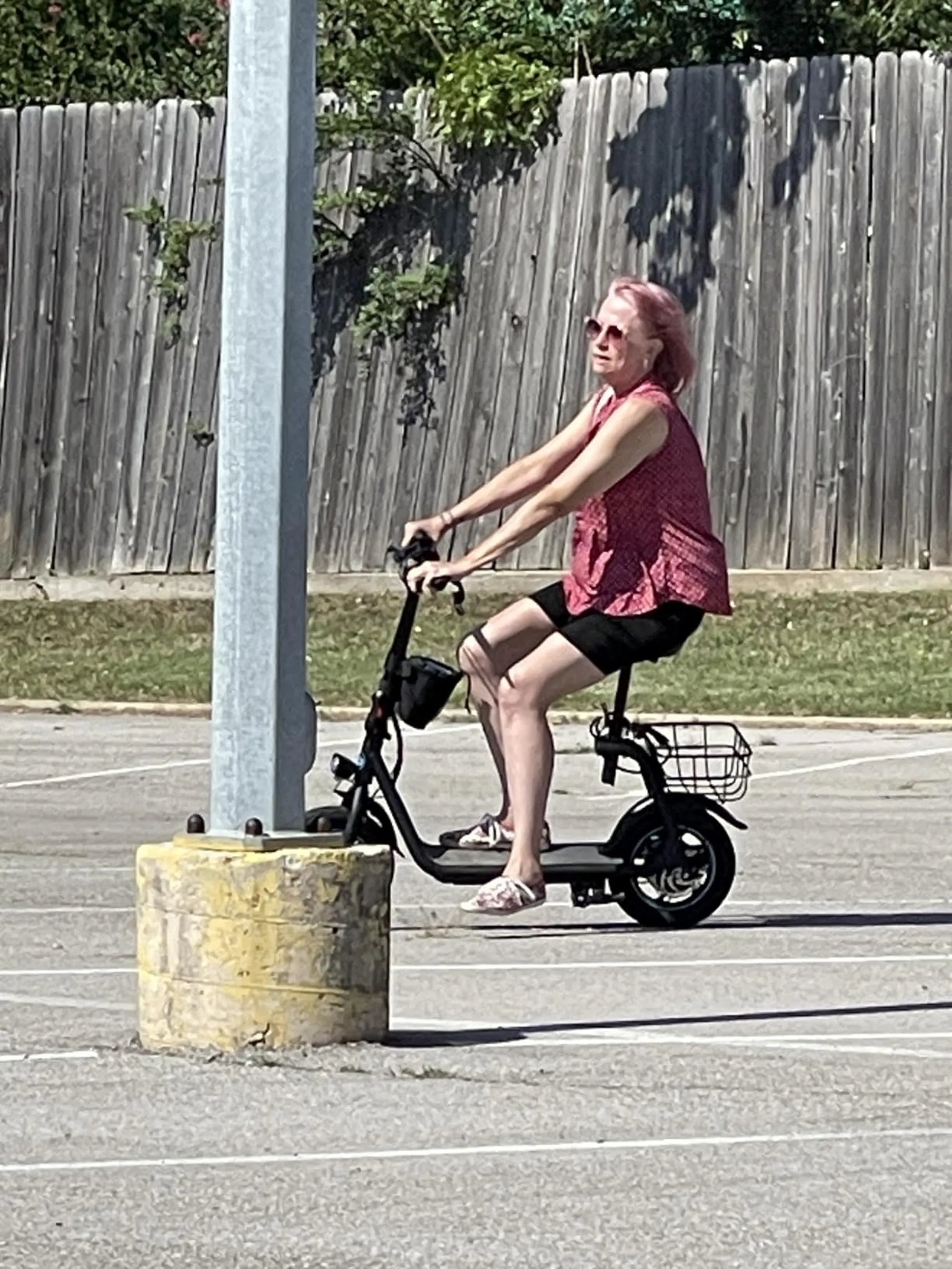
Navigating Tinsukia's Evolving Transport Landscape
Tinsukia, a pivotal urban and commercial hub in Upper Assam, faces a familiar yet pressing challenge: balancing growth with mobility. As traffic congestion thickens on roads leading to the railway junction, oil town Digboi, and bustling market areas, residents seek efficient, cost-effective alternatives. The search for a practical solution that addresses last-mile connectivity, rising fuel costs, and environmental consciousness has converged on a single, agile answer: electric scooters.
Electric scooters in Tinsukia are not merely a trend; they represent a fundamental shift towards sustainable urban mobility tailored for the region's unique dynamics. This article will dissect the economic, practical, and environmental drivers behind their rapid adoption. You will learn how to select a scooter built for Assam's climate, understand critical safety features, and discover how reliable engineering can transform your daily commute across Tinsukia district.
Why Electric Scooters Are Gaining Traction in Tinsukia
The adoption of electric scooters in Tinsukia is driven by tangible, everyday advantages that solve local problems. From the tea garden manager commuting to Margherita to the college student navigating the town center, e-scooters offer a compelling value proposition. Their rise aligns with a global move towards electric vehicles, but the reasons are intensely local and practical.
Residents are increasingly prioritizing personal transport that is independent of erratic fuel prices and crowded public transport schedules. The compact nature of e-scooters makes them ideal for Tinsukia's mixed road infrastructure, where wide highways can quickly narrow into congested market lanes. This practicality, combined with significant long-term savings, is fueling a quiet revolution on the streets.
Economic & Practical Advantages for Daily Commutes
The most immediate benefit is drastic cost reduction. Compared to a petrol scooter averaging 40-50 kmpl, an electric scooter can travel the same distance for a fraction of the cost. Charging a typical e-scooter battery costs under ₹30, enabling a per-kilometer expense of just 10-15 paise versus ₹2-3 for petrol. For daily commutes between Tinsukia, Digboi, and Doomdooma, this translates to annual savings of thousands of rupees.
Maintenance is simpler and cheaper. Electric scooters have far fewer moving parts—no engine oil, spark plugs, or complex gear systems to service. This means lower routine service costs and less downtime. The convenience of home charging eliminates frequent trips to fuel stations, a significant advantage for professionals and homemakers managing tight schedules in Tinsukia's urban sprawl.
Tackling Traffic and Parking Headaches
Tinsukia's core areas, like the AT Road market and vicinity of the railway station, are notorious for traffic snarls, especially during peak hours. An electric scooter’s compact size and nimble handling allow riders to navigate through slow-moving or stationary traffic with ease, significantly reducing commute times. Their agility is perfect for the narrow lanes in residential colonies and commercial areas.
Parking, a perennial urban headache, becomes a non-issue. An e-scooter can be parked in a fraction of the space required for a car or even a conventional motorcycle. This ease of parking at markets, offices, or outside schools reduces stress and saves time, making short, multi-stop errands within Tinsukia town remarkably efficient.
A Cleaner Ride for Tinsukia's Environment
With zero tailpipe emissions, electric scooters contribute directly to cleaner air in Tinsukia. This is crucial for a region that values its natural beauty and is increasingly aware of urban pollution. By choosing electric, riders help reduce noise pollution as well, as e-scooters operate almost silently compared to the constant hum of petrol engines.
This shift supports broader environmental goals for Assam and India, aligning with national EV policies. For the eco-conscious citizen of Tinsukia, it’s a personal choice with a positive community impact, promoting sustainable development without sacrificing personal mobility or convenience.
Key Features to Look for in a Tinsukia-Worthy E-Scooter
Not all electric scooters are created equal, especially for the specific conditions of Tinsukia district. The ideal model must balance performance, durability, and safety to handle local terrain, weather, and usage patterns. A thoughtful purchase decision hinges on understanding which features deliver real-world value.
Prioritizing specifications that match Tinsukia's reality—monsoon rains, varied road surfaces, and typical commute distances—is essential. This section breaks down the critical specifications into a practical buying guide, helping you distinguish marketing hype from genuine utility.
Battery Range & Performance: Matching Tinsukia's Terrain
The advertised range is often a best-case scenario. For Tinsukia, consider real-world factors like rider weight, frequent starts/stops in traffic, and occasional inclines. A scooter with a certified 40-50 km range per charge is sufficient for most intra-district commutes, such as a round trip from Tinsukia town to Digboi. Look for models with Lithium-ion batteries known for better longevity and consistent performance.
Motor power determines agility and hill-climbing ability. A 350W to 500W motor is typically adequate for Tinsukia's mostly flat terrain with slight gradients, providing enough torque for a stable ride with a pillion. Performance also relates to top speed; a governed speed of 25 km/h is standard and safe for urban use, complying with regulations for low-speed electric vehicles.
Durability & Weather Resistance: Built for Assam's Climate
Assam's climate, with its heavy monsoon rains and high humidity, demands robust weather protection. The Ingress Protection (IP) rating is non-negotiable. An IPX5 rating or higher ensures the scooter's electrical components can withstand water jets from any direction, making it safe to ride through rainy seasons and across wet roads common in Tinsukia.
Build quality extends to the frame, tires, and suspension. A sturdy, often aluminum-alloy frame resists rust. Pneumatic (air-filled) tires offer better shock absorption on uneven roads compared to solid tires. A front or dual suspension system significantly enhances comfort on Tinsukia's diverse road surfaces, from smooth highways to patchy inner roads.
Safety and Warranty: Ensuring Long-Term Peace of Mind
Reliable braking is paramount. Look for a combination of disc brakes and regenerative braking, which uses the motor to slow the scooter while recapturing some energy. Bright LED headlights, taillights, and turn signals are essential for visibility during early morning commutes or evening rides, common in Tinsukia.
A comprehensive warranty is your safeguard. It should cover the battery, motor, and controller for at least one year. A strong warranty reflects the manufacturer's confidence in its product. For Tinsukia buyers, accessible after-sales support or clear service channels are equally important to ensure long-term, hassle-free ownership.
Gyroor E-Scooters: Engineered for Reliability in Tinsukia
When evaluating brands for the Tinsukia market, Gyroor stands out by directly addressing the core requirements identified above. As a leading electric scooter and e-bike brand trusted by over 100,000 riders across North America and Europe, Gyroor’s engineering philosophy centers on safety, durability, and rider assurance—principles that translate perfectly to Tinsukia's needs.
Their models are not just about specifications; they are about building trust through certified components and robust design. The following breakdown highlights how Gyroor's key features provide tangible benefits for the daily rider in Assam's climate and urban landscape.
UL-Certified Batteries: The Core of Safe, Long-Lasting Power
The battery is the heart of an e-scooter, and its safety cannot be compromised. Gyroor uses UL-certified Lithium-ion battery packs across its lineup. UL certification is a globally recognized safety standard, indicating the battery has passed rigorous testing for electrical, mechanical, and environmental hazards. This is critical for peace of mind, especially in varied weather conditions.
These batteries are tested for 500+ charge cycles, ensuring long-term performance and reliability. For a Tinsukia commuter, this means consistent range over years of use and a significantly reduced risk of battery-related failures, which are a common concern with uncertified, generic batteries.
IPX5 Water-Resistance: Confidence Through the Monsoon
Gyroor designs its scooters with an IPX5 water-resistance rating. This engineering specification means the entire scooter's electrical system is protected against low-pressure water jets from any direction. In practical terms, a Gyroor scooter can confidently handle Tinsukia's monsoon rains, wet roads, and even accidental splashes through puddles without risk of short-circuiting or damage.
This feature is integrated into the design, not an afterthought. It protects the motor, controller, and battery connections, ensuring the scooter remains operational and safe throughout the humid and rainy seasons, a decisive advantage for year-round commuting in the region.
Commitment to Riders: The 1-Year Warranty & Support Promise
Gyroor backs its engineering with a clear and reliable 1-year comprehensive warranty. This warranty covers key components, providing a safety net for your investment. It demonstrates the brand's commitment to quality and long-term customer satisfaction. For a rider in Tinsukia, this translates to assurance that any manufacturing defect will be addressed without incurring substantial unexpected costs.
Supported by accessible customer service, this warranty model reduces the perceived risk of adopting new technology. It ensures that owners have a direct channel for support, making the ownership experience smooth and reinforcing the brand's reputation for reliability.
Comparison: Navigating Your Options for Tinsukia Commutes
Choosing the right e-scooter involves comparing how different models and features stack up against Tinsukia's specific needs. The table below contrasts key considerations to help you make an informed decision.
| Feature / Consideration | Entry-Level Generic Scooters | Gyroor & Premium Reliability-Focused Brands | Why It Matters for Tinsukia |
|---|---|---|---|
| Battery Certification | Often uncertified or with generic cells | UL-Certified battery packs | Ensures safety, longevity, and consistent performance; critical for humid climates. |
| Water Resistance | IPX4 or lower (splash-resistant) | IPX5 (water jet resistant) | Essential for monsoon riding and wet road conditions; protects core electronics. |
| Warranty & Support | Limited or vague warranty, poor service access | 1-Year Comprehensive warranty with defined support channels | Provides long-term peace of mind and protects your investment against defects. |
| Build & Suspension | Basic frames, often no suspension or solid tires | Sturdy alloy frames, pneumatic tires, often with front suspension | Delivers comfort and durability on Tinsukia's mixed road surfaces, from smooth to uneven. |
| Real-World Range | Advertised range often overstated; rapid degradation | Tested, reliable range (e.g., 25-40 km) with stable battery chemistry | Accurate planning for daily commutes within Tinsukia district without range anxiety. |
The Road Ahead: E-Scooters and Tinsukia's Mobility Future
The integration of electric scooters into Tinsukia's transport ecosystem is just beginning. The future points towards a more organized, infrastructure-supported role for these vehicles. We can anticipate the gradual development of public charging points at key locations like commercial complexes, colleges, and major market areas, further enhancing convenience and range confidence for riders.
E-scooters are poised to become a key component of multi-modal commuting. Imagine taking a shared auto or bus from a suburban area to Tinsukia town and using a personal e-scooter for the final leg to your specific destination. This seamless integration can solve the pervasive last-mile connectivity problem, making public transport a more viable option for more people.
As adoption grows, local awareness about safe riding practices, rights of way, and parking etiquette will evolve. Community initiatives and potential local government policies could further encourage electric mobility, positioning Tinsukia as a forward-thinking urban center in Assam that embraces sustainable solutions to its growth challenges.
Frequently Asked Questions (FAQs) for Tinsukia Riders
What is the real-world range I can expect on Tinsukia's roads?
Real-world range is typically 70-80% of the advertised maximum. For a scooter rated for 40 km, expect 28-32 km on a single charge under normal Tinsukia conditions—accounting for rider weight, occasional pillion, stops/starts, and flat to slightly rolling terrain. This is ample for daily commutes within the town or to nearby areas like Makum.
Are electric scooters legal to use on Tinsukia's main roads?
Yes, electric scooters with a maximum speed under 25 km/h and motor power below 250W are classified as low-speed vehicles and are generally legal for use on public roads in India, including Assam. However, it is always advisable to check with the local Tinsukia RTO for any specific municipal bylaws regarding their use on footpaths or specific zones.
How do I maintain an e-scooter in Tinsukia's humid climate?
Simple routines ensure longevity. Store the scooter in a shaded, dry place when not in use. Avoid leaving the battery fully depleted; maintain a 30-80% charge if storing for a week. Regularly check tire pressure. Wipe down the scooter with a dry or damp cloth after riding in rain or on dusty roads to prevent corrosion and dirt buildup in moving parts.
Where can I get service or parts for my e-scooter in Tinsukia?
For brands like Gyroor with a strong warranty, initial service support is provided directly through the brand's channels (website, call center). For general maintenance (tire changes, brake adjustments), many local bicycle and motorcycle repair shops in Tinsukia can handle mechanical components. Always confirm with your manufacturer which repairs must be done by authorized centers to keep the warranty valid.
Can I carry a pillion rider on an electric scooter in Tinsukia?
This depends on the scooter's design and specifications. Many models are built for single riders only. If the scooter has a designated pillion seat and footrests, and the motor power (e.g., 350W+) and braking system are adequate, it can safely accommodate two people. Always check the manufacturer's guidelines and ensure both riders wear helmets for safety on Tinsukia's roads.
Conclusion: Your Next Commute, Reimagined
The evidence is compelling: electric scooters in Tinsukia offer a smarter, cleaner, and more economical way to navigate urban life. They directly address the core frustrations of cost, congestion, and parking while contributing to a more sustainable environment for the district. The future of urban mobility in Tinsukia is electric, agile, and personally empowering.
Making the switch requires choosing a partner in reliability. Prioritize certified battery safety, genuine weather resistance, and a strong warranty—features that brands like Gyroor build into their core engineering. Your daily commute is more than just a journey; it's an opportunity to save money, time, and reduce your environmental footprint. Explore models designed for durability and backed by global rider trust. Browse the full Gyroor collection at gyroorboard.com and take the first step towards a transformed commute in Tinsukia.
Importing Electric Scooters: A Comprehensive Guide to Global Trends and Best Practices
Electric Scooters in Anaheim: The Ultimate Guide to Riding Smart and Safe