



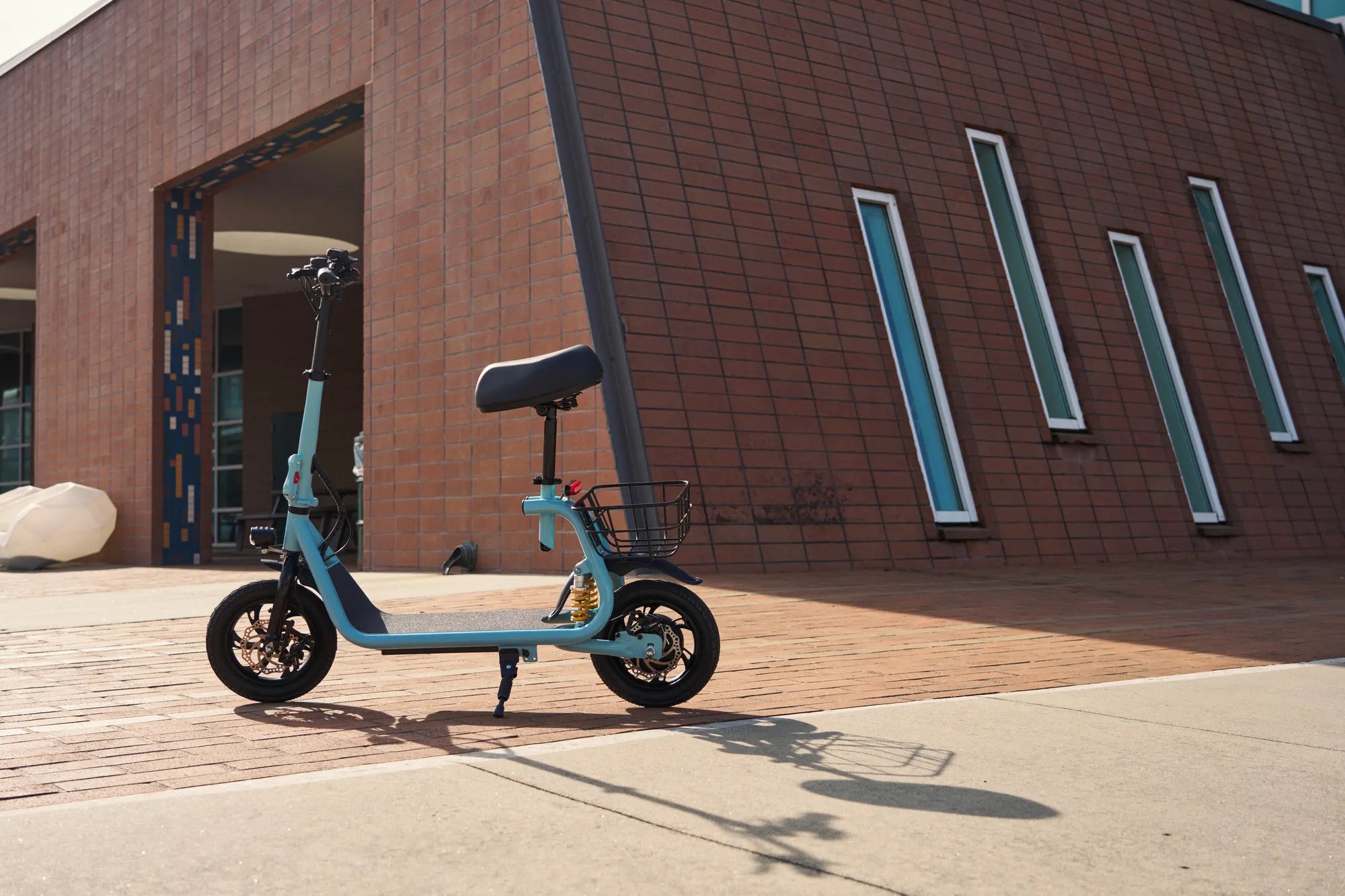
Electric scooters have swiftly become a common sight on college campuses across the country, transforming the way students navigate their daily routines. These compact, eco-friendly vehicles offer a convenient solution to the challenges of campus transportation, from crowded parking lots to lengthy walks between classes. But what makes electric scooters so appealing to students, and how are they reshaping campus life?
The Rise of Electric Scooters in Higher Education
Over the past few years, electric scooters have surged in popularity among college students. Their lightweight design, affordability, and ease of use make them an ideal choice for short-distance travel. Unlike bicycles, which require storage space and physical effort, electric scooters are portable and require minimal exertion, making them perfect for students rushing to lectures or late-night study sessions.
Benefits of Electric Scooters on Campus
Eco-Friendly Transportation
One of the most significant advantages of electric scooters is their environmental impact. With zero emissions, they provide a sustainable alternative to cars and buses, helping colleges reduce their carbon footprint. Many institutions are actively promoting micromobility solutions as part of their sustainability initiatives.
Cost-Effective and Convenient
For students on a tight budget, electric scooters are a game-changer. They eliminate the need for expensive parking permits, fuel costs, and public transportation fees. With a one-time purchase or affordable rental options, students can save money while enjoying the flexibility of on-demand transportation.
Time-Saving and Efficient
Large campuses often require students to traverse long distances between classes, libraries, and dormitories. Electric scooters cut down travel time significantly, allowing students to arrive at their destinations faster and with less fatigue.
Challenges and Considerations
Safety Concerns
While electric scooters offer numerous benefits, safety remains a critical issue. Accidents and injuries have been reported due to reckless riding, poor infrastructure, or lack of helmet use. Campuses must implement clear guidelines and safety programs to mitigate these risks.
Infrastructure and Regulations
Not all campuses are equipped to handle the influx of electric scooters. Limited charging stations, designated parking areas, and unclear regulations can lead to clutter and misuse. Colleges need to invest in proper infrastructure and establish rules to ensure orderly use.
The Future of Electric Scooters on Campus
As technology advances, electric scooters are likely to become even more integrated into campus life. Innovations such as longer battery life, improved safety features, and smart connectivity could further enhance their appeal. Universities that embrace these changes will not only improve student mobility but also position themselves as leaders in sustainable transportation.
Electric scooters are more than just a passing trend—they represent a shift toward smarter, greener, and more efficient campus transportation. Whether you're a student looking for a quicker way to get to class or an administrator planning for the future, electric scooters offer a compelling solution worth exploring.
Are Electric Scooters Allowed on Sidewalks in Florida? The Complete Guide
Electric Scooters Fort Worth: The Ultimate Guide to Urban Mobility