



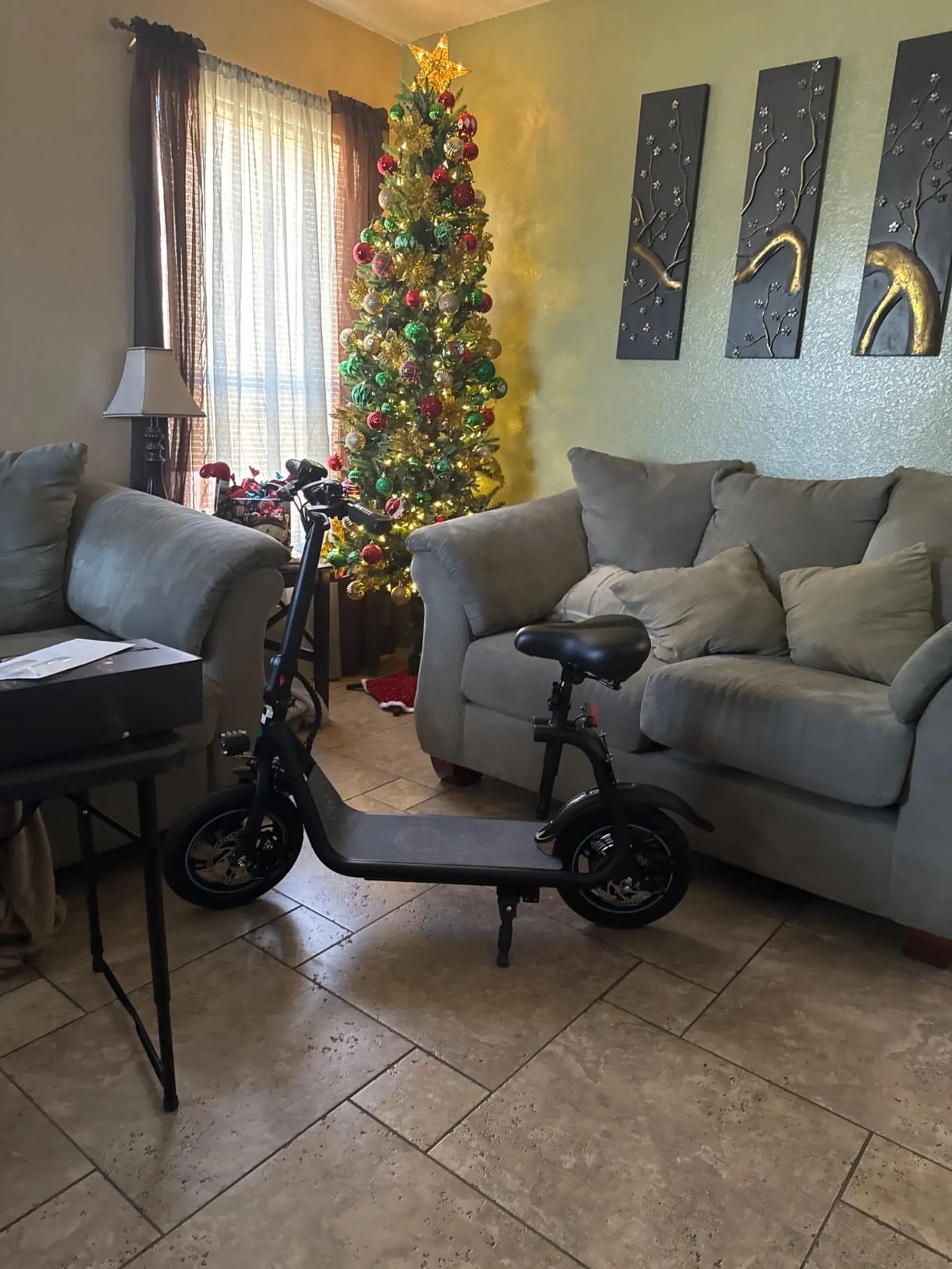
Finding reliable, everyday transportation without a massive price tag is a common challenge. Electric scooters under $600 have emerged as a powerful solution, combining practical performance with genuine affordability. This guide demystifies the budget electric scooter market, showing you how to identify models that deliver on safety, range, and durability without compromise. You'll learn to navigate key specifications, understand real-world performance, and make an informed choice for an efficient and eco-friendly commute.
What to Realistically Expect from an Electric Scooter Under $600
The sub-$600 price point is where value engineering meets essential performance. You are not buying a compromised product, but a focused one designed for core urban mobility tasks. The market in this tier has matured significantly, with reputable brands offering certified components and robust designs.
Typical performance parameters include a maximum speed between 15 and 20 mph, which aligns with safe urban and bike-lane riding. Real-world range on a single charge generally falls between 15 and 25 miles, sufficient for most round-trip commutes and errands. Motor power typically ranges from 250 to 350 watts, providing adequate torque for flat terrain and moderate inclines.
Construction is a key differentiator. Expect frames made from lightweight yet durable aluminum alloy, often with a folding mechanism for portability. Crucially, safety certifications are not sacrificed. Leading models feature UL-certified battery packs and IPX5 water-resistant ratings, protecting against rain and puddle splashes. Brands like Gyroor have proven that these essential safety and durability features are entirely achievable within this budget.
The goal is efficient point-A-to-B travel. You may not find premium extras like sophisticated app connectivity or ultra-plush suspension, but you will find reliable, purpose-built machines that get the job done safely and efficiently.
Key Features to Prioritize for Value and Safety
Navigating the specifications sheet requires focus on the elements that directly impact safety, longevity, and daily usability. Prioritizing these features ensures your investment is protected and your ride is dependable.
Battery & Range: The Heart of Your Commute
The battery is the scooter's most critical component. Always verify that the battery pack is UL-certified, which means it has passed rigorous safety tests for overcharge, short circuit, and overheating. A reputable brand's warranty, such as Gyroor's 1-year coverage, often backs this certification.
Advertised range is a laboratory figure. For a realistic estimate, consider that rider weight, terrain, temperature, and riding style (frequent acceleration) can reduce the range by 30-40%. A scooter advertised for 20 miles may reliably deliver 13-16 miles for a 180-pound rider on mixed terrain. Look for a battery capacity (measured in Watt-hours, Wh) that supports your actual round-trip distance with a comfortable buffer.
Motor Power & Hill Climbing: Conquering Your Route
A 250W to 350W motor is standard in this category. This provides zippy acceleration on flat ground and can handle slopes up to about 10-15 degrees, though with a noticeable reduction in speed. For cities with frequent hills, a 350W motor is a wiser minimum.
Performance on inclines is also a function of total weight—rider plus scooter. A 350W motor will perform more adequately for a 200-pound rider on a mild hill than a 250W motor will. Check the manufacturer's stated hill-climb grade, but treat it as a best-case scenario.
Build Quality & Durability: Built for Daily Use
The frame should be constructed from aircraft-grade aluminum, offering an optimal strength-to-weight ratio. Inspect the folding mechanism; it should lock securely with no wobble or play when engaged. This is vital for safety during rides and portability.
Water resistance is a non-negotiable feature for a commuter vehicle. An IPX5 rating means the scooter can withstand water jets from any direction, making it safe to ride in light rain and over wet roads. This feature, standard on brands like Gyroor, drastically increases the scooter's utility and longevity.
Braking & Safety Systems: Stopping with Confidence
Reliable braking is paramount. The most effective setups in this price range often combine two braking systems, such as a disc brake (front or rear) with an electronic regenerative brake. This dual-system approach provides shorter stopping distances and redundancy.
Additional safety features include bright headlights and taillights for visibility, reflectors, and sometimes a bell or horn. Wide, pneumatic (air-filled) tires also contribute to safety by providing better shock absorption and traction than solid tires, especially on uneven surfaces.
Matching a Scooter to Your Lifestyle: Top Considerations
Beyond specs, the best scooter seamlessly integrates into your daily routine. Identifying your primary use case ensures you enjoy the ride for years to come.
The Urban Commuter: Mileage and Portability
For the daily commuter, consistency is key. Prioritize a scooter with a verified real-world range that exceeds your round-trip distance by at least 5 miles. Portability is equally important; a folding scooter under 35 pounds is manageable for carrying onto public transit or up a flight of stairs.
Durability features like a water-resistant rating and a robust frame are critical for all-weather readiness. Finally, ensure the brand offers a strong warranty and accessible customer service. A 1-year comprehensive warranty, as offered by Gyroor, protects your investment against manufacturing defects.
The Weekend Explorer: Comfort and Stability
If your rides are for leisure or longer weekend trips, comfort takes precedence. Look for larger wheel diameters (8.5 inches or 10 inches) and models that include front or dual suspension. These features dramatically improve ride quality over cracks, bumps, and imperfect pavement.
A slightly more powerful motor (350W+) will handle longer distances and variable terrain with less strain. While portability is still a factor, you may opt for a slightly heavier model if it delivers significantly better ride stability and comfort for your recreational use.
The Eco-Conscious Rider: Efficiency and Sustainability
Electric scooters under $600 are a tangible step toward reducing your carbon footprint. They produce zero direct emissions and are incredibly energy-efficient, costing just pennies per mile to charge compared to a car.
The true environmental impact, however, is tied to product longevity. Choosing a scooter from a brand committed to quality, like those using UL-certified batteries and robust construction, means it will last for years, reducing waste. Responsible end-of-life battery recycling programs are another sign of a brand's eco-commitment.
Performance Comparison: Typical Scooter Tiers Under $600
This table outlines common configurations found within the budget electric scooter market, helping you visualize the trade-offs and capabilities.
| Feature Category | Entry-Level (Approx. $300-$400) | Mid-Range (Approx. $400-$550) | High-Value (Approx. $550-$600) |
|---|---|---|---|
| Motor Power | 250W | 300W - 350W | 350W+ |
| Max Speed | 15 mph | 18 mph | 19-20 mph |
| Real-World Range | 10-13 miles | 15-20 miles | 18-25 miles |
| Tire Type | Solid or Small Pneumatic | Larger Pneumatic (8.5”) | Pneumatic (10”) / Sometimes with Suspension |
| Braking System | Electronic or Drum Brake | Dual System (e.g., Disc + Electronic) | Dual System (Disc + Electronic) |
| Key Build Features | Basic folding, IPX4 | Sturdy folding, IPX5 water resistance | Premium folding, IPX5, better materials |
| Best For | Short, flat commutes; last-mile solution | Reliable daily commuting; mild hills | Longer commutes; comfort-focused riding; varied terrain |
Maximizing Your Investment: Essential Maintenance and Best Practices
Proper care extends your scooter's lifespan, maintains its performance, and ensures safety. A small routine goes a long way in protecting your investment in electric scooters under $600.
First, establish a pre-ride checklist. Visually inspect the tires for wear and ensure they are inflated to the manufacturer's recommended PSI (for pneumatic tires). Check that the folding mechanism is fully locked, test the brakes, and ensure lights are functioning. This 30-second habit is your first line of defense.
Battery care is crucial for long-term health. Avoid regularly draining the battery to 0%. Instead, recharge when it reaches 20-30%. For long-term storage (over a month), store the scooter with the battery at about 50-60% charge in a cool, dry place. Use only the provided charger from a reputable brand.
Keep your scooter clean. Wipe down the frame and deck with a damp cloth after riding in wet or dirty conditions. Avoid direct high-pressure water sprays on the deck or display. Periodically check and tighten bolts, especially around the stem and folding joints, to prevent loosening from vibration.
Navigating the Purchase: A Final Checklist Before You Buy
Before completing your purchase for one of the many electric scooters under $600, run through this final checklist to ensure no critical detail is overlooked.
Verify all safety certifications, specifically the UL mark for the battery system and a clear IP rating for water resistance (IPX5 is ideal). Confirm the warranty terms—look for at least 1 year on the scooter and 6 months on the battery, with clear instructions on how to claim service.
Research the brand's reputation for customer support. Read independent reviews to gauge real-world reliability and after-sales service. Ensure the scooter's weight and dimensions when folded align with your storage and portability needs, such as fitting under a desk or in a car trunk.
Finally, calculate the total cost of ownership. Factor in any potential accessory needs like a better helmet, a secure lock, or replacement tires. A slightly higher initial investment in a well-supported model often saves money and frustration compared to a marginally cheaper, unsupported option.
Frequently Asked Questions (FAQ)
Are electric scooters under $600 safe?
Yes, when chosen carefully. Safety is determined by build quality and component certification, not price alone. Prioritize models from established brands that use UL-certified batteries, feature reliable dual braking systems, and have a solid IPX5 water-resistant rating. Responsible riding—wearing a helmet and obeying traffic laws—is equally important.
How far can I really go on a single charge?
Real-world range is typically 65-75% of the advertised maximum. To estimate, take the advertised range and subtract 5-7 miles for a rider of average weight (160 - 180 lbs) on urban terrain with stops and starts. For a precise estimate, look for the battery capacity in Watt-hours (Wh); a higher Wh number generally indicates more potential range.
What kind of warranty and support should I look for?
A comprehensive warranty is a sign of manufacturer confidence. Look for at least a 1-year warranty on the scooter frame and electronics, and a 6-month to 1-year warranty on the battery. Reliable access to customer service, either via phone, email, or chat, is essential for troubleshooting and obtaining replacement parts, protecting your budget-conscious investment.
Is an under-$600 scooter suitable for hills?
It can handle mild to moderate hills (up to 10-15% grade). A 350W motor is the recommended minimum for areas with frequent inclines. On steeper hills, expect a significant reduction in speed, and the scooter may require a kick-assist. Always check the manufacturer's stated hill-climb ability and rider weight limit for the best match.
Can I ride in the rain?
With an IPX5 water-resistance rating, you can safely ride in light rain and on wet roads. This rating means the scooter can withstand water jets from any direction. However, avoid riding through deep puddles or submerging any part of the scooter, as this can damage electronics. Always dry your scooter after a wet ride.
Smart, Sustainable Mobility Is Within Your Reach
The market for electric scooters under $600 offers serious, capable options that redefine affordable urban transport. By focusing on certified safety features like UL-approved batteries, practical durability with IPX5 water resistance, and a meaningful warranty, you can secure a reliable commuting partner without financial strain. This choice represents more than just savings; it's a step toward efficient, eco-friendly personal mobility. Explore a range of models that balance performance, safety, and value, and discover how the right scooter can transform your daily routine.
Ready to find your perfect ride? Browse the full Gyroor collection at gyroorboard.com to see how certified safety and reliable performance come together in an affordable package, trusted by over 100,000 riders.
Fast Electric Scooters for Kids: The Ultimate Guide to Speed and Safety
Are Electric Scooters Motor Vehicles? Legal & Practical Guide