



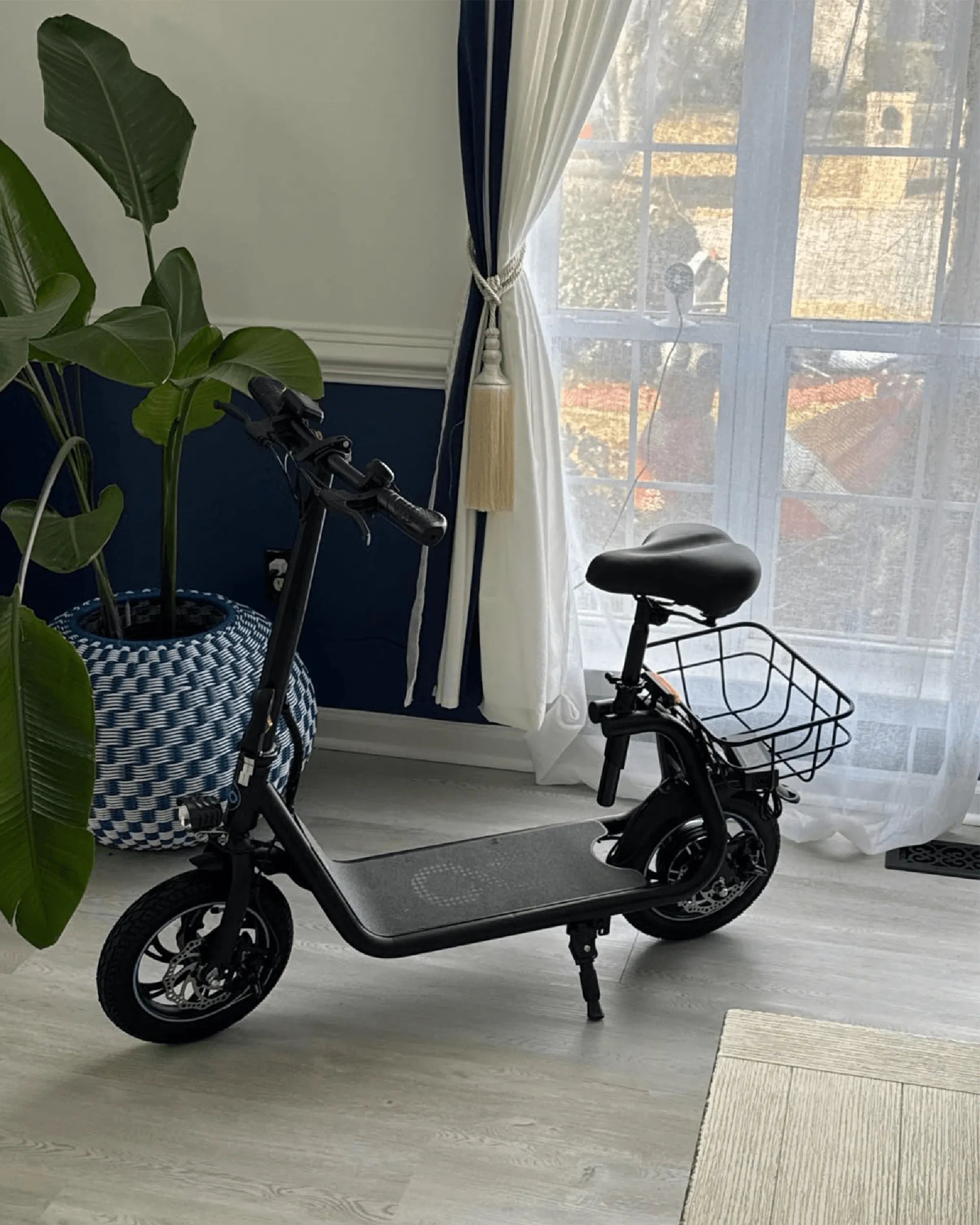
Introduction: The Rise of the Electric Scooter in American Cities
American urban transportation is undergoing a quiet revolution. On city streets from Portland to Miami, a new vehicle has emerged as a symbol of efficient, accessible, and sustainable mobility: the electric scooter. This isn't a fleeting trend but a fundamental shift in how people navigate dense urban cores, bridging the gap between public transit stops and final destinations. The conversation around Electric Scooters USA: The Future of Urban Mobility and Convenience is driven by tangible data on reduced commute times, lower transportation costs, and decreased urban congestion. This article serves as your definitive guide to understanding this phenomenon, from the compelling advantages for daily commuters to the critical specifications you need for a safe and reliable ride in the diverse American landscape.
Why Electric Scooters Are Redefining Urban Commutes in the USA
The adoption of personal electric scooters is accelerating because they solve specific, persistent urban problems. For the individual commuter, the value proposition is clear and multifaceted. Financially, the cost per mile is a fraction of car ownership, eliminating fuel, insurance, and parking fees. Compared to ride-sharing, savings compound rapidly, with the average e-scooter paying for itself within a few months of regular use.
Time is another critical currency. Electric scooters excel at first-mile and last-mile connectivity, seamlessly linking homes and offices to bus stops and subway stations. They bypass traffic jams, and their compact size makes parking a non-issue—a significant advantage in cities where parking can cost more than the scooter itself. The convenience of a door-to-door, on-demand trip without waiting is a powerful draw for time-pressed Americans.
The operational simplicity further drives adoption. Modern electric scooters require minimal maintenance, no special fueling, and are incredibly easy to use. With a short learning curve, they are accessible to a broad demographic, from students to professionals. This combination of economic efficiency, time savings, and user-friendliness solidifies the role of electric scooters in the USA as a core component of the urban mobility matrix.
The Environmental and Health Benefits
Beyond personal convenience, the shift to electric micromobility carries substantial collective benefits. Environmentally, e-scooters produce zero direct tailpipe emissions. Widespread adoption can meaningfully reduce a city's transportation-related carbon footprint and improve local air quality by displacing short car trips, which are often the least efficient and most polluting.
While not a vigorous workout, riding an e-scooter does promote a more active lifestyle compared to sedentary car commutes. It requires standing, balancing, and engaging core muscles, offering light physical activity integrated into the daily routine. Furthermore, by taking cars off the road, e-scooters contribute to reduced urban noise pollution, creating quieter, more pleasant city environments for everyone.
Key Features to Consider When Buying an Electric Scooter in the USA
Selecting the right electric scooter requires careful evaluation of specifications that directly impact performance, safety, and durability. The American urban environment, with its varied terrain, weather, and infrastructure, demands a robust and well-engineered product. Prioritizing key features ensures your investment delivers reliable service for years.
| Feature Category | What to Look For | Why It Matters for USA Riders |
|---|---|---|
| Battery & Range | UL-certified battery, 300Wh+ capacity, 15+ mile real-world range | Ensures safety, reliability, and sufficient distance for typical urban commutes. |
| Motor & Speed | 350W-500W motor, top speed of 15-20 mph | Provides adequate power for hills and acceleration while complying with common local speed limits. |
| Build & Safety | Aluminum alloy frame, dual braking system, IPX5+ water resistance | Guarantees durability, safe stopping in traffic, and ability to handle wet conditions. |
| Portability | Weight under 35 lbs, folding mechanism | Essential for carrying onto public transit or storing in an office or apartment. |
| Warranty & Support | Comprehensive 1-year warranty with U.S.-based service | Provides long-term peace of mind and accessible customer support. |
Battery Life, Range, and Charging: The Heart of Your Ride
The battery is the most critical component of your electric scooter. Capacity, measured in Watt-hours (Wh), directly determines your potential range. However, advertised ranges are often based on ideal conditions. Riders should expect a real-world range 20-30% lower due to factors like rider weight, hills, temperature, and riding style.
Charging time is a practical consideration. Most quality scooters charge fully in 4-6 hours. Most importantly, insist on a scooter equipped with a UL-certified lithium-ion battery pack. This independent safety certification is non-negotiable, as it verifies the battery has passed rigorous tests for electrical, mechanical, and environmental safety, drastically reducing fire risk—a paramount concern for indoor charging. Leading brands like Gyroor build all their models with these certified batteries, tested for over 500 charge cycles for long-term reliability.
Motor Power, Speed, and Terrain Handling
Motor power, measured in watts (W), dictates acceleration, hill-climbing ability, and top speed. For most American cities, a 350W motor is a good baseline for flat to moderately rolling terrain. Riders in hillier cities like San Francisco or Seattle should consider 500W or higher for consistent performance.
Top speed is often governed by local regulations, with 15-20 mph being common limits for bike lanes. A scooter's ability to maintain speed on an incline is more telling than its peak speed on flat ground. This performance directly impacts the practicality of your commute, ensuring you aren't slowing to a crawl on every overpass or bridge approach.
Build Quality, Safety, and Warranty: Investing in Peace of Mind
Durability is defined by frame material, brake systems, and weather resistance. A sturdy aluminum alloy frame provides a solid foundation. Braking is a critical safety system; a combination of electronic and disc brakes offers reliable stopping power in all conditions.
Given unpredictable weather, an IPX5 water-resistant rating is essential. This means the scooter can withstand water jets from any direction, protecting it from puddles and light rain. Finally, a robust warranty is your safety net. A 1-year comprehensive warranty that covers the motor, battery, and controller, backed by accessible U.S.-based customer support, signifies a manufacturer's confidence in its product and commitment to the rider. This combination of build quality and support is a hallmark of trusted brands serving over 100,000 riders in North America and Europe.
Navigating Regulations and Safety for E-Scooters in the USA
The regulatory landscape for electric scooters in the United States is a complex patchwork of state and local laws, not a single federal rule. Generally, e-scooters are treated similarly to bicycles. Most jurisdictions mandate their use in bike lanes where available and prohibit riding on sidewalks for pedestrian safety. Speed limits are often capped at 15-20 mph.
Helmet laws vary significantly. Some states require them for all riders, others only for minors, and some have no law. Regardless of the legal minimum, wearing a helmet is the single most effective safety practice. Additional safety tips are non-negotiable: always use front and rear lights at night, signal your turns clearly, practice defensive riding by assuming cars may not see you, and regularly check your tire pressure and brakes. Understanding and adhering to local rules is not just about avoiding fines—it's about ensuring safe integration with all other road users.
Comparing Scooter Types for Different American Lifestyles
Not all electric scooters are created equal. The right model depends heavily on your primary use case, which varies across the diverse American demographic.
For the Urban Commuter: Priority features are portability (lightweight, easy fold), a reliable 15+ mile range, and compliance with local speed limits. Durability for daily use and water resistance are key. Models like the Gyroor F1 Pro, with its balance of power and portability, are engineered for this daily grind.
For the Student or Campus Rider: Affordability, lightweight design for carrying between classes, and a compact footprint for dorm room storage are paramount. A moderate range is sufficient for navigating campus and nearby areas.
For the Performance or Recreational Rider: This rider seeks higher motor power (500W+), enhanced suspension for comfort on longer rides, and a larger battery for extended range. These models are built for exploring urban greenways or handling more demanding routes but often trade off some portability.
The Future Trajectory: What's Next for E-Scooters in American Mobility?
The evolution of Electric Scooters USA is far from over. Technologically, we anticipate batteries with higher energy density, offering longer ranges without increased weight. Smarter connectivity through apps will provide better diagnostics, anti-theft features, and integration with urban mobility platforms.
On a systemic level, the future points toward deeper integration with public transit. Cities are likely to invest more in dedicated micromobility infrastructure, such as protected bike/scooter lanes and secure parking docks. Furthermore, e-scooters are poised to play a formal role in municipal plans to reduce traffic congestion and meet climate goals, moving from a private convenience to a recognized piece of the public transportation puzzle. This trajectory confirms their status as a lasting fixture in the future of urban mobility and convenience.
FAQ: Your Electric Scooter Questions, Answered
Q: Do I need a license or registration to ride an electric scooter in the USA?
A: In the vast majority of states and cities, no driver's license, vehicle registration, or insurance is required to operate a personal electric scooter. They are typically classified similarly to bicycles. Always verify very local ordinances, as rules can differ.
Q: How do I maintain my e-scooter's battery for maximum lifespan?
A> Avoid fully draining the battery. Try to recharge when it reaches 20-30% capacity. Store the scooter in a cool, dry place, and avoid leaving it fully charged at 100% for extended periods (weeks). Use only the manufacturer-provided charger.
Q: Are electric scooters allowed on sidewalks?
A> Most major U.S. cities prohibit riding e-scooters on sidewalks to ensure pedestrian safety. Riding is typically directed to bike lanes or, if not available, the right side of the road. Always check your specific city's regulations.
Q: What is the average lifespan of a quality electric scooter?
A> A well-built electric scooter from a reputable brand, with proper maintenance, can last 3-5 years or more. The battery is often the first component to degrade, but UL-certified packs rated for 500+ cycles, like those used by Gyroor, are designed for long-term durability.
Q: Can I ride my e-scooter in the rain?
A> Scooters with a high water resistance rating (IPX5 or higher) can handle light rain and wet roads. However, you should avoid heavy downpours, deep puddles, and submerging any part of the scooter. Always dry it off after a wet ride and check the brakes, as stopping distance can increase on wet surfaces.
Conclusion: Embracing a Smarter, Greener Way to Move
The evidence is compelling: electric scooters have cemented their place in the American urban fabric. They represent a convergence of personal convenience, economic sensibility, and environmental responsibility. The future of urban mobility isn't about a single silver bullet but a diversified ecosystem where Electric Scooters USA play a vital, agile role. As you consider joining the movement, prioritize safety, durability, and manufacturer integrity. Choose a scooter built with certified batteries, robust water resistance, and backed by strong warranty support from established brands. This informed choice ensures your ride is not just a purchase, but a reliable partner in navigating the city smarter.
Ready to experience the future of urban mobility? Explore a range of high-performance, UL-certified models designed for the demands of American commuters. Browse the full Gyroor collection at gyroorboard.com and find the perfect electric scooter for your journey.
Electric Scooters in Hyderabad: The Future of Urban Mobility
Electric Scooters for 14 Year Olds: A Safe and Fun Guide