



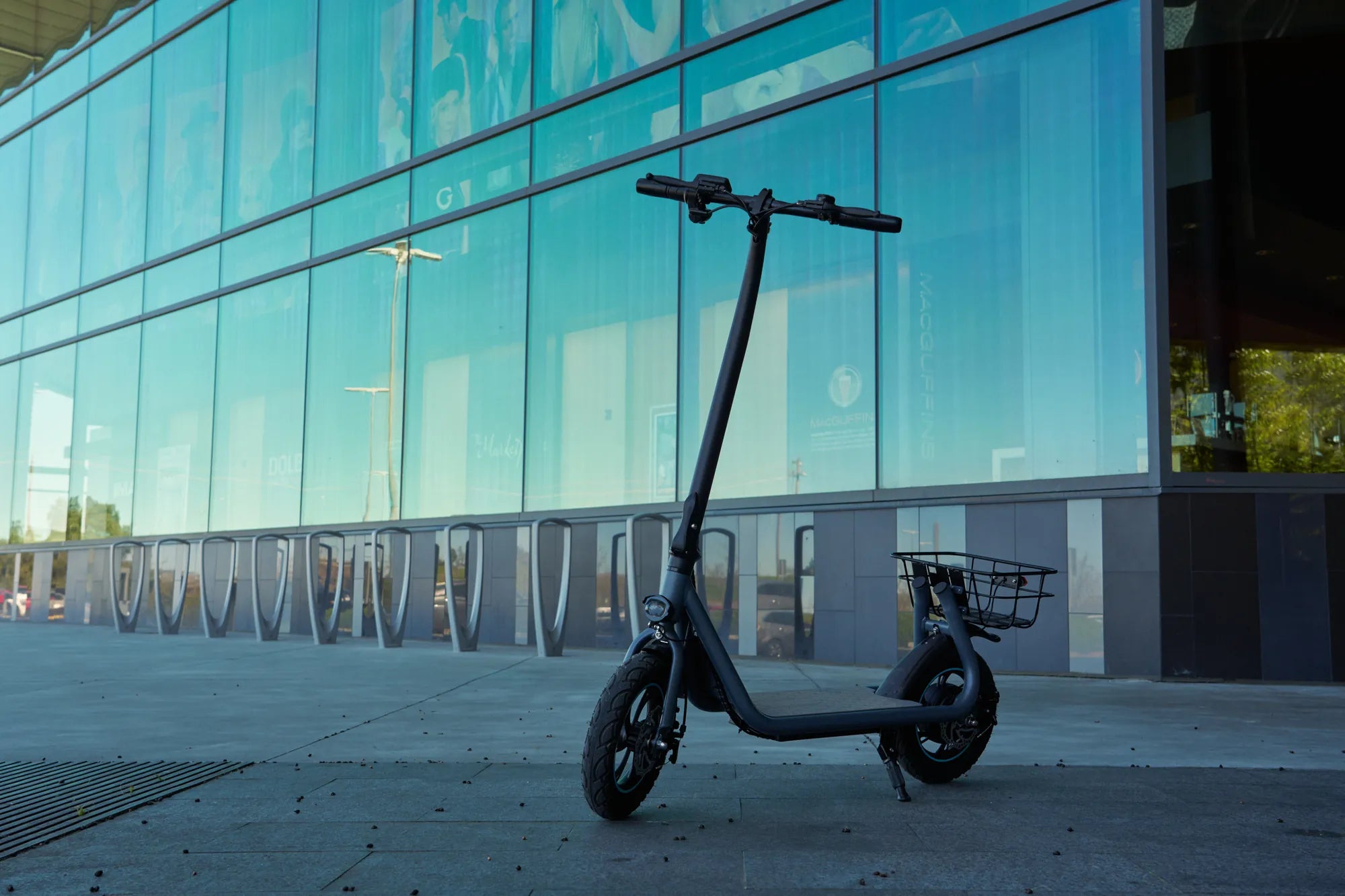
Introduction: Redefining Urban Mobility with Comfort and Portability
The daily urban commute is undergoing a quiet revolution. For adults seeking a faster, more flexible, and cost-effective alternative to cars and crowded public transit, a new champion has emerged: the folding electric scooter with a seat. This isn't merely a scooter with an add-on; it's a purpose-built vehicle designed for comfort and practicality over longer distances. This article will dissect why this category represents the ultimate urban commuting solution, examining its engineering, benefits, and perfect integration into modern city life.
We will explore the key components that make these scooters effective, from their integrated seating to their UL-certified powertrains. You'll learn how they compare to traditional standing scooters and other micro-mobility options through a data-driven lens. Furthermore, we'll provide a detailed buyer's checklist to help you match a model to your specific commute length, terrain, and lifestyle needs.
Brands like Gyroor, a leading electric scooter and e-bike manufacturer trusted by over 100,000 riders across North America and Europe, have invested heavily in this category. Their focus on safety certifications, IPX5 water-resistant designs, and reliable 1-year warranties sets a standard for what consumers should expect. By the end of this guide, you'll understand how a folding electric scooter with a seat can transform your daily travel from a chore into an enjoyable, efficient experience.
The Anatomy of a Folding E-Scooter with a Seat: Key Features Explained
Understanding the core components of a folding electric scooter with a seat is crucial to appreciating its value proposition. Unlike makeshift modifications, these are engineered as cohesive systems where the seat is integral to the frame design, stability, and overall riding dynamics. This integration ensures a safer, more comfortable, and more durable product compared to aftermarket seat attachments on standard scooters.
The design philosophy centers on creating a mini-vehicle. The frame must be robust enough to handle the torsional stresses of a seated rider, the motor must provide consistent torque, and the battery must offer sufficient range for practical trips. Let's break down the three most critical subsystems: the seating assembly, the powertrain, and the folding mechanism.
The Seat: Engineered for Comfort and Ergonomics
The seat is the defining feature. Quality models use a padded, bicycle-style saddle mounted on a suspension post or a spring-loaded mechanism. This design absorbs road vibrations, significantly reducing fatigue on the spine and pelvis during a 30-minute commute. Ergonomics are paramount; the seat height and handlebar position should allow for a relaxed, upright riding posture.
Adjustability is a key differentiator. A quick-release lever allows riders of different heights to find the optimal leg extension for control and comfort. The best designs integrate the seat post directly into the main frame or a reinforced rear fender assembly, ensuring it doesn't compromise the structural integrity or the scooter's compact folded profile.
The Powertrain: Motor, Battery, and Real-World Range
The powertrain determines performance. For adult riders and occasional passengers, a 350W to 500W brushless hub motor is typical. This provides enough torque to tackle moderate inclines (6-10% grades) from a seated start, with top speeds often regulated between 15-20 mph to comply with local laws. A higher wattage motor, like a 500W system, offers more confident hill-climbing ability.
The battery is the heart of the system. Capacities generally range from 10Ah to 15Ah (around 360Wh to 540Wh). Real-world range varies drastically based on rider weight, terrain, speed, and use of the seat. A conservative estimate is 15-25 miles per charge for a seated rider. Safety is non-negotiable; brands like Gyroor use UL-certified battery packs tested for 500+ charge cycles, mitigating risks of thermal runaway and ensuring long-term reliability.
Portability: The Ingenious Folding Mechanism
The folding mechanism is what makes this a true multi-modal tool. A well-designed system allows the scooter to collapse in one or two simple steps, typically involving a latch on the stem and sometimes a folding handlebar. The goal is to reduce the scooter's footprint by over 50%, creating a package that can be rolled or carried.
Final folded dimensions and weight are critical specs. Most models fold to approximately 45" x 18" x 18" and weigh between 45 and 65 lbs. This makes them manageable to lift into a car trunk, carry onto a train or bus, and store in a small apartment closet or under an office desk, solving the final-foot storage problem seamlessly.
Why Choose a Seated Scooter? Advantages Over Traditional Models
Choosing a folding electric scooter with a seat for adults is a decision that prioritizes comfort and utility over minimalism. While standing scooters excel at ultra-short, last-mile trips, seated models expand the viable commuting radius and user demographic. The advantages are tangible and transform the scooter from a niche gadget into a legitimate primary transport option for many urbanites.
The data supports this shift. A standing rider experiences significantly higher muscle fatigue and joint impact over distances exceeding 2-3 miles. A seated position eliminates this, enabling comfortable journeys of 5-10 miles or more—a distance that covers a substantial portion of urban commutes. This comfort directly translates to increased frequency of use and a higher likelihood of replacing car trips.
Enhanced Comfort for Longer, Practical Commutes
The primary advantage is endurance. A seat allows you to travel longer distances without discomfort, making the scooter viable for a one-way commute to work, a cross-town appointment, or a leisurely weekend exploration. It opens up the vehicle to a wider audience, including those who may find balancing on a standing scooter for extended periods challenging or undesirable.
This comfort also has safety implications. A less fatigued rider maintains better focus and reaction times. The seated position, with a lower center of gravity, also contributes to a more stable ride, especially at lower speeds and during stops. It transforms the experience from an athletic activity into a relaxed mode of transport.
Stability and Accessibility for a Broader Demographic
The stability offered by a seated riding position cannot be overstated. With your weight centered and lower, the scooter is less prone to wobble at speed and is easier to control during slow-speed maneuvers. This instills greater confidence in new riders and makes the vehicle accessible to older adults or individuals with mild balance concerns who would not consider a standing model.
This accessibility extends utility. What might be a 20-minute uncomfortable stand becomes a pleasant 20-minute seated ride. It encourages use for errands like grocery shopping (with a backpack or added basket), where carrying items while standing on a scooter is impractical and unsafe. The seated scooter becomes a true utility vehicle.
The Unbeatable Practicality of the Folding Design
The folding capability synergizes perfectly with the seated design. You can ride comfortably to a subway station, fold the scooter in seconds, board the train during rush hour without obstructing aisles, unfold it at your destination, and ride the final leg to your office—all without breaking a sweat. This seamless intermodality is the key to defeating urban congestion.
For those with limited storage space at home or work, the ability to collapse the scooter into a compact package is essential. It can be tucked away in a corner, under a desk, or in a coat closet, eliminating theft concerns associated with locking it outside. This practicality ensures the scooter is used daily, maximizing its value and return on investment.
Key Considerations Before You Buy: A Practical Checklist
Investing in a folding electric scooter with a seat requires careful evaluation beyond just price and aesthetics. Your choice should be dictated by your specific commute, local environment, and physical needs. This checklist will guide you through the critical specifications and features that separate a reliable, long-term companion from a disappointing purchase.
Prioritize safety and durability over marginal gains in speed or flashy features. A scooter is a vehicle, and its construction, braking system, and battery management are paramount. Look for transparent specifications from the manufacturer and reviews that confirm real-world performance matches claims.
Performance Specifications: Matching Numbers to Needs
Analyze your route. If you encounter hills, a motor with at least 500W of nominal power and high torque is recommended. For flat terrain, 350W may suffice. Check the manufacturer's stated hill-climbing grade (e.g., 15%). Battery capacity (Ah or Wh) directly dictates range. Use the advertised range as a maximum under ideal conditions; calculate your needed range and add a 30-40% buffer for real-world factors like wind, weight, and stops.
Speed should be considered in the context of local laws, which often cap e-scooters at 15-20 mph. A scooter with multiple speed modes allows you to comply and conserve battery. Also, verify the weight capacity. Standard capacities are 220-300 lbs. Choosing a scooter rated for well above your weight ensures a safety margin and preserves performance and battery life.
Build Quality, Durability, and Safety Systems
Inspect the frame material; aircraft-grade aluminum is standard for a good strength-to-weight ratio. Tire choice is critical: pneumatic (air-filled) tires offer a much smoother ride and better shock absorption than solid tires, though they require occasional maintenance. A front or dual suspension system, often paired with a sprung seat, dramatically improves comfort on imperfect pavement.
Braking is a critical safety system. Disc brakes (mechanical or hydraulic) offer superior stopping power and control in all weather compared to cheaper electronic or drum brakes. Look for a combination of front and rear brakes. Water resistance is vital for all-weather commuting. An IPX5 rating, like that found on Gyroor models, means the scooter can withstand water jets from any direction, protecting it from rain and puddle splashes.
Warranty, Support, and Brand Reputation
The warranty is your insurance against manufacturing defects. A comprehensive warranty, such as Gyroor's 1-year coverage on the vehicle, indicates manufacturer confidence. Pay special attention to battery warranty terms. Reliable customer support is invaluable for troubleshooting and obtaining replacement parts. Research the brand's reputation for post-purchase service in your region.
Established brands with a track record, like Gyroor with its 20+ models and over 100,000 riders, typically offer better long-term support, consistent firmware updates, and easier access to certified replacement batteries and parts. This support network is crucial for maintaining your scooter as a dependable asset for years to come.
Integrating into Your Urban Life: Use Cases and Lifestyle Fit
The versatility of a folding electric scooter with a seat for adults allows it to serve multiple roles in your urban ecosystem. It's more than just a commute tool; it's a lifestyle enhancer that saves time, money, and reduces stress. Understanding these use cases helps visualize its daily impact and justifies the investment as a replacement for numerous less efficient habits.
From the structured daily grind to spontaneous weekend adventures, this vehicle adapts. It fills the mobility gap between walking and driving—a gap that is often the most frustrating and time-consuming part of city life. By providing a fast, fun, and parking-free option, it reclaims your time and expands your accessible radius without a car.
The Daily Commuter's Multi-Modal Solution
This is the primary use case. Ride from home to the bus or train station, fold and carry it aboard during your transit leg, then unfold and ride the final distance to your workplace. This door-to-door solution often beats driving in terms of total trip time and cost, while eliminating parking fees and frustration. The seat ensures you arrive at work refreshed, not fatigued.
For those with a direct commute under 10 miles, the scooter may serve as the entire vehicle. You bypass traffic, enjoy fresh air, and get a mild, enjoyable form of mobility. The folding feature remains essential for bringing the scooter securely into your office building, protecting it from theft and the elements.
Leisurely Exploration and Local Errands
On weekends, the scooter transforms into a fun exploration vehicle. Cruise through parks, along bike paths, or explore new neighborhoods at a perfect pace—faster than walking, slower than a car, and more engaging than both. The seat makes these extended rides enjoyable for you and a potential passenger on tandem-capable models.
For errands, it's a game-changer. Quick trips to the grocery store, pharmacy, or coffee shop become effortless. With a storage basket or a sturdy backpack, you can carry a meaningful load. You save on fuel, avoid parking hassles, and often complete the trip faster than if you had driven, especially in dense urban cores.
A Cost-Effective Car Replacement for Short Trips
Studies show a significant portion of car trips are under 3 miles—an inefficient and expensive use of a vehicle. A folding electric scooter with a seat is the perfect substitute for these trips. The operating cost is pennies per charge compared to dollars for gas, insurance, and depreciation. It produces zero direct emissions and reduces traffic congestion.
For households considering going from two cars to one, a reliable seated e-scooter can cover the secondary vehicle's local trips with ease. This can lead to savings of thousands of dollars annually in car payments, insurance, maintenance, and fuel, all while contributing to a cleaner urban environment and a more active lifestyle.
Comparison: Seated Scooter vs. Standing Scooter vs. E-Bike
To contextualize the value of a folding electric scooter with a seat, it's helpful to compare it directly to its closest micro-mobility cousins: the traditional standing electric scooter and the electric bicycle. The table below highlights key differences across several practical dimensions.
| Feature | Folding E-Scooter with Seat | Standing E-Scooter | Electric Bike (Folding or Standard) |
|---|---|---|---|
| Primary Comfort | Excellent (Seated) | Fair to Poor (Standing) | Excellent (Seated, bicycle posture) |
| Ideal Trip Length | 3-10 miles | 1-3 miles | 5-30+ miles |
| Portability (Folded Size/Weight) | Very Good (45-65 lbs, compact) | Excellent (25-40 lbs, very compact) | Fair to Good (Heavier, bulkier even when folded) |
| Stability & Accessibility | High (Low center of gravity) | Moderate (Requires good balance) | High (Very stable) |
| Storage at Destination | Easy (Fits under desk/closet) | Very Easy (Fits anywhere) | Challenging (Requires bike rack or significant space) |
| Multi-Modal Transit Fit | Excellent (Easy to carry on bus/train) | Excellent (Easiest to carry) | Poor to Fair (Often prohibited or cumbersome) |
| Typical Cost | $$$ | $$ | $$$$ |
As the table illustrates, the folding electric scooter with a seat occupies a strategic middle ground. It offers the superior comfort and range closer to an e-bike while retaining much of the ultra-portability and transit-friendly design of a standing scooter. For the urban commuter who values a seated ride but must navigate public transit and limited storage, it is frequently the optimal compromise.
Frequently Asked Questions (FAQs)
1. Are folding electric scooters with seats legal for adults to ride on public roads?
Laws vary significantly by city, state, and country. Generally, regulations focus on maximum speed (often capped at 15-20 mph), motor wattage (sometimes limited to 750W), and where you can ride (bike lanes vs. roads vs. sidewalks). Most jurisdictions treat them similarly to standing e-scooters. It is the rider's responsibility to check and comply with local ordinances, which may include age restrictions, helmet laws, and bans on sidewalk riding.
2. How much weight can a typical model support?
Weight capacity is a critical spec. Most reputable models for adults support between 220 lbs (100 kg) and 300 lbs (136 kg). Some heavy-duty models may support more. Exceeding the manufacturer's stated weight limit can compromise safety, damage the frame and motor, and drastically reduce battery range and overall performance. Always choose a scooter with a capacity rating above your own weight.
3. Are they difficult to fold, carry, and store?
The folding mechanism is designed for simplicity, often involving one or two latches. The process typically takes 10-15 seconds. The main challenge is weight; models range from 45 to 65 lbs. While rollable when folded, carrying up stairs or for extended periods can be demanding for some. Always check the folded dimensions to ensure it will fit in your intended storage space (e.g., under a desk, in a car trunk).
4. Can I ride it standing up if I choose to?
Most models with integrated, factory-installed seats are designed primarily for seated riding. The geometry, center of gravity, and handlebar position are optimized for this. While you might be able to stand temporarily, it is often awkward and less stable than on a dedicated standing scooter. These are not hybrid vehicles in that sense; they are purpose-built as seated conveyances.
5. How do I maintain a folding electric scooter with a seat?
Regular maintenance is simple but essential. Key tasks include: checking and inflating pneumatic tires to the recommended PSI, ensuring all folding latches and bolts are tight, cleaning the scooter with a damp cloth (avoiding direct water jets on non-IPX5 rated parts), and storing the battery in a cool, dry place. Periodically inspect brakes for wear. Following the manufacturer's charging guidelines—avoiding full discharges and not leaving the battery at 100% charge for extended periods—will maximize battery lifespan.
Your Ticket to a Smarter, More Enjoyable Commute
The evidence is compelling: a folding electric scooter with a seat for adults is not just a novelty, but a rational, efficient, and enjoyable solution to the complex challenges of urban mobility. It successfully merges the comfort necessary for practical distances with the portability required for seamless integration into a multi-modal lifestyle. This vehicle category directly addresses pain points like traffic congestion, parking scarcity, and the high cost of car ownership.
Choosing the right model is an investment in personal freedom and time. By prioritizing safety features like UL-certified batteries, robust braking systems, and water-resistant construction—hallmarks of reputable brands like Gyroor—you ensure this investment is protected. The combination of a reliable 1-year warranty, proven performance, and thoughtful design delivers peace of mind alongside tangible daily benefits.
Imagine reclaiming those lost minutes stuck in traffic, transforming them into an engaging ride. Picture the simplicity of door-to-door travel without searching for parking or waiting for a bus. This is the promise of the ultimate urban commuting solution. It represents a step toward a more sustainable, efficient, and personally empowering way to navigate our cities.
Ready to transform your commute and explore the city with newfound freedom? Discover engineering designed for reliability and comfort. Browse the full Gyroor collection, featuring UL-certified, IPX5 water-resistant folding electric scooters with seats for adults, at gyroorboard.com.
Electric Scooters West Palm Beach: The Ultimate Guide to Eco-Friendly Commuting
Do You Have to Register Electric Scooters? A Complete Legal Guide