



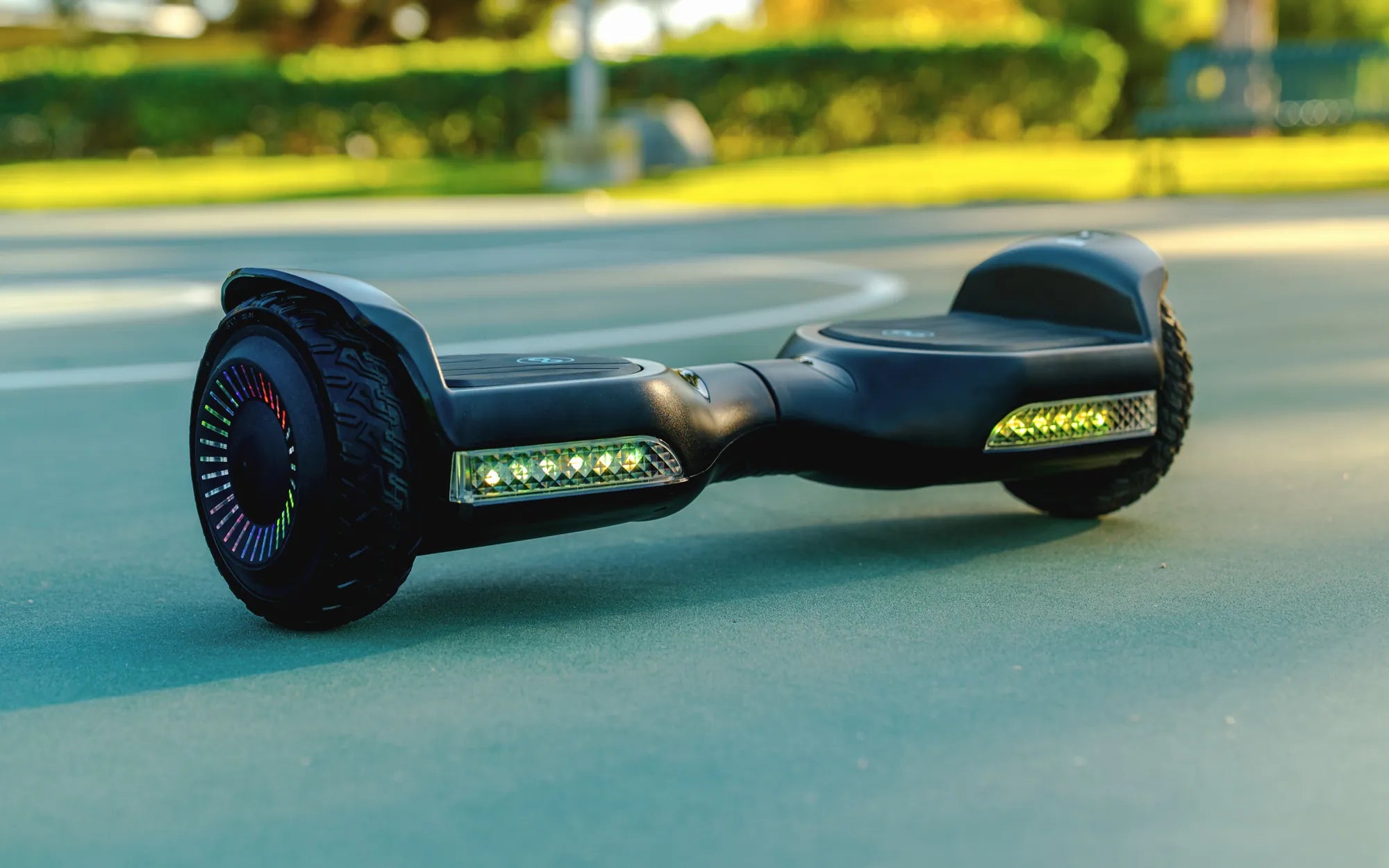
Imagine gliding effortlessly down the street, leaning slightly forward to pick up speed, then tilting back to slow down—all without pushing a single button. That's the magic of hoverboards, the self-balancing scooters that seem to defy physics. But how do these futuristic devices actually move? Let's peel back the layers and explore the fascinating technology that makes hoverboards work.
The Core Components That Make Hoverboards Move
At first glance, hoverboards appear to be simple devices, but beneath their sleek exteriors lies a complex system of components working in perfect harmony. The key elements that enable movement include:
- Gyroscopic sensors that detect tilt and orientation
- Pressure-sensitive foot pads that interpret rider input
- Electric motors in each wheel that provide propulsion
- A central processing unit that coordinates all these systems
- Lithium-ion batteries that power the entire operation
The Role of Gyroscopes in Hoverboard Movement
The secret sauce in hoverboard movement lies in their gyroscopic sensors. These sophisticated components constantly measure the board's angle relative to the ground, making hundreds of adjustments per second to maintain balance. When you lean forward, the gyroscopes detect this change in orientation and send signals to the motors to spin the wheels forward. The more you lean, the faster the wheels turn to compensate for your shifted center of gravity.
This dynamic balancing act creates the illusion that the hoverboard is responding to your thoughts, when in reality it's making countless micro-adjustments to keep you upright while moving in the direction you want to go.
How Pressure Pads Translate Your Movements
Beneath your feet, the hoverboard's pressure pads act as sophisticated input devices. These aren't simple on/off switches—they can detect subtle variations in pressure distribution across their surface. When you shift your weight forward:
- The front sensors detect increased pressure
- The control board interprets this as a command to move forward
- Power is sent to both wheel motors proportionally
- The gyroscopes work to maintain balance during acceleration
Turning works similarly but with differential pressure between left and right pads, causing one wheel to spin faster than the other.
The Physics Behind Hoverboard Motion
Hoverboard movement is a beautiful demonstration of Newton's laws of motion in action. The third law—for every action, there's an equal and opposite reaction—explains how leaning forward causes forward motion. As you tilt forward, the hoverboard's motors apply force to the wheels, which push against the ground. The ground pushes back with equal force, propelling you forward.
Centripetal force comes into play during turns, with the difference in wheel speeds creating the necessary force to change direction while maintaining stability. The entire system operates on principles of dynamic equilibrium, constantly adjusting to keep the rider's center of mass over the wheelbase.
Safety Mechanisms in Hoverboard Movement
Modern hoverboards incorporate several safety features that govern their movement:
| Feature | Function |
|---|---|
| Speed Limiters | Prevent excessive speed that could lead to loss of control |
| Tilt Back | Automatically tilts the board back when approaching maximum speed |
| Low Battery Protection | Gradually reduces power when battery levels are critical |
These systems work together to ensure smooth, controlled movement even when riders push the limits of the device's capabilities.
The Future of Hoverboard Movement Technology
As hoverboard technology evolves, we're seeing innovations that promise even more intuitive movement. Some prototypes now incorporate AI that learns individual riding styles, adjusting responsiveness to match the user's preferences. Others experiment with alternative propulsion methods that could eliminate wheels altogether, bringing us closer to the true 'hovering' boards of science fiction.
From gyroscopic sensors to pressure-sensitive controls, the technology behind hoverboard movement is far more sophisticated than most riders realize. These devices represent an impressive marriage of physics, engineering, and computer science—all working together to create that magical feeling of effortless gliding. The next time you see someone zoom by on a hoverboard, you'll appreciate the incredible science propelling them forward.
How Many Types of Hoverboards Are There: A Complete Guide
Best Places to Buy Hoverboards: Top Retailers and Shopping Tips