

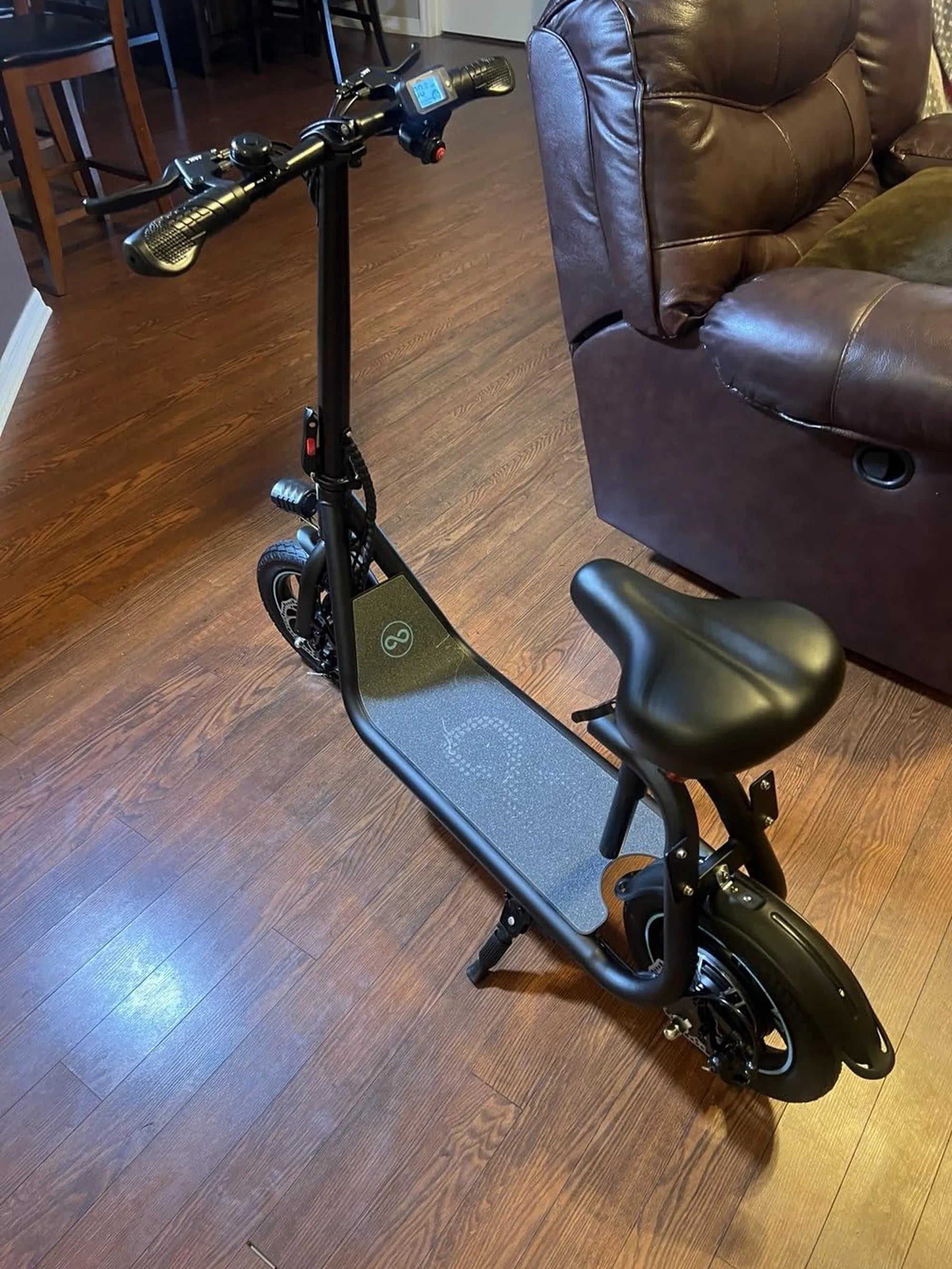
Introduction: The Freedom of License-Free Scooters
Imagine zipping to work, class, or the store without ever visiting the DMV. A scooter that doesn't need a license makes this a reality, offering a liberating blend of convenience, affordability, and instant accessibility. This guide will demystify the legal landscape, highlight the top benefits, and show you how to select a reliable, compliant model that fits your life perfectly. We'll explore why brands committed to safety and clear specifications, like Gyroor, are essential for a truly worry-free riding experience.
Understanding License-Free Scooters: The Legal Framework
The term "license-free" is governed by specific technical and legal parameters. In most North American states and European countries, an electric scooter is classified as a low-speed personal mobility device rather than a motor vehicle, exempting it from driver's license, registration, and insurance mandates. The core thresholds typically involve motor power, maximum speed, and vehicle design.
Jurisdictions commonly set a maximum assisted speed limit of 20 mph (32 km/h). Many, including California and New York, use a 15.5 mph (25 km/h) benchmark for sidewalk and bike lane access. Motor wattage is another key factor, with many laws capping continuous power output at 750 watts. Crucially, these scooters lack features like a seat or foot pegs that would reclassify them as motorized bicycles or mopeds, which often do require licensing.
It is the rider's responsibility to verify local ordinances, as rules can differ between cities and states. However, by choosing a scooter engineered within these common limits, you ensure compliance and hassle-free operation. This legal clarity is what makes a true scooter that doesn't need a license such a powerful tool for urban mobility.
Key Features of a No-License E-Scooter
Identifying a compliant model is straightforward when you know what specifications to check. First, look for a speed limiter. Many models can achieve higher speeds technically but are software-limited to 15.5 or 20 mph to meet regulations. Second, examine the motor's nominal power rating, which should typically be 500W or 750W for street-legal models in this category.
Third, a true license-free electric scooter will not have a Vehicle Identification Number (VIN). VINs are for motor vehicles; their absence confirms the scooter's status as a personal mobility device. Finally, design elements matter: a standing platform, handlebars, and a lack of a seat are standard. These features collectively define the practical and legal reality of a scooter that doesn't need a license.
Top Benefits of Riding a License-Free Electric Scooter
The advantages extend far beyond skipping the DMV line. The primary benefit is instant accessibility. You can purchase a scooter and begin riding the same day, with no bureaucratic hurdles. This is ideal for students, young professionals, or anyone seeking immediate transportation solutions.
Cost savings are significant. Without requirements for a driver's license, vehicle registration, or mandatory insurance, the total cost of ownership plummets. You only pay for the scooter itself and minimal electricity for charging. This makes a scooter that doesn't need a license one of the most economical personal transport options available.
They excel at solving the "last-mile" problem, seamlessly connecting public transit stops to final destinations. For quick errands, commuting, or recreational fun, they offer unparalleled flexibility. Furthermore, their compact size and light weight simplify storage in apartments or offices, and they produce zero direct emissions, contributing to cleaner urban air.
Choosing Your Gyroor License-Free Scooter: A Model Comparison
Selecting the right model means matching specifications to your commute and local laws. Gyroor offers several models engineered to be compliant, safe, and high-performance. Below is a comparison of key models designed as a scooter that doesn't need a license.
| Model | Max Speed | Max Range | Motor Power | Weight | Best For |
|---|---|---|---|---|---|
| Gyroor F1 Pro | 15.5 mph | 12 miles | 300W | 26 lbs | Short urban commutes, portability, first-time riders |
| Gyroor S1 Max | 19 mph | 25 miles | 500W | 38 lbs | Longer daily commutes, moderate hills, all-around use |
| Gyroor X1 Ultra | 20 mph* | 31 miles | 750W | 52 lbs | Performance riders, longer distances, variable terrain |
*Speed-limited mode for compliance; other modes may exceed local limits for private property use only. Always check your local speed regulations for public roads and paths. The Gyroor S1 Max often represents the ideal balance, offering ample range and power while staying within the common 20 mph/750W legal frameworks across many regions.
Why Gyroor’s Engineering Matters for Safety and Compliance
Choosing a reputable brand is critical when your scooter is a primary vehicle. Gyroor builds compliance and safety into its core engineering. Every battery pack is UL-certified, having passed rigorous tests for over 500 charge cycles. This mitigates fire risk—a top concern for regulators and riders—and ensures long-term reliability.
The IPX5 water-resistant rating on key models means you can confidently ride in light rain or through puddles, a necessity for daily commuting. This durability is a hallmark of a serious mobility tool, not a toy. Furthermore, Gyroor backs its products with a comprehensive 1-year warranty and U.S.-based customer support, providing peace of mind that your investment is protected. For over 100,000 riders, this commitment to quality defines what a trustworthy scooter that doesn't need a license should be.
Riding Responsibly: Safety and Etiquette for License-Free Scooters
"License-free" does not mean "rule-free." Responsible riding ensures your safety and positive relations with other road users. First, always wear a helmet. Many cities mandate this for all riders, and it is the single most effective safety measure. Consider additional gear like knee pads and reflective clothing for visibility.
Know where to ride. Use bike lanes where available. On roads, follow all traffic laws as if you were a bicycle: signal turns, stop at lights and signs, and ride with the flow of traffic. Sidewalk riding laws vary widely; it is often prohibited in business districts to protect pedestrians. When in doubt, walk your scooter.
Practice good parking etiquette. Do not block sidewalks, ramps, or building entrances. Use designated bike parking when possible. Finally, perform a pre-ride check: test brakes, ensure tires are inflated, and confirm lights are working. Responsible operation protects your privilege to ride a scooter that doesn't need a license and fosters a safer community for everyone.
Maintenance Tips for Long-Lasting Performance
Proper care extends the life and safety of your electric scooter. Regular maintenance is simple but essential. Start with tire pressure; check it weekly and inflate to the PSI listed on the tire sidewall. Proper inflation prevents flats and improves range and handling.
Keep the scooter clean, especially the braking surfaces. Wipe down the deck and frame with a damp cloth, and use a soft brush to clear debris from the brake discs or drum. Avoid high-pressure water jets, even on water-resistant models. Periodically check and tighten bolts, particularly on the handlebar stem and folding mechanisms, to prevent loosening from vibration.
Battery care is paramount. Avoid draining the battery to 0% regularly. Store the scooter in a cool, dry place, and do not leave it fully charged for extended periods if not in use. Following the manufacturer's charging guidelines for your Gyroor scooter will maximize the lifespan of its UL-certified battery pack, ensuring your scooter that doesn't need a license remains reliable for years.
Frequently Asked Questions (FAQ)
Q: Do I need insurance for a license-free electric scooter?
A: Generally, no. Most jurisdictions do not require insurance for low-speed electric scooters. However, it's wise to check if your homeowner's or renter's insurance policy offers any personal liability coverage for micromobility devices. Some specialized insurers also offer optional scooter insurance for theft or damage.
Q: Can I ride a license-free scooter on the road?
A: In most areas, yes, but with conditions. They are typically allowed on roads with speed limits of 25-35 mph. Riders must usually stay in bike lanes if present. It is crucial to obey all standard traffic signals and rules. Riding against traffic is illegal and dangerous.
Q: Are there age restrictions for riding without a license?
A: Yes, age limits are common. Many states and cities require riders to be at least 16 years old. Some areas may have different rules for younger riders, such as requiring helmet use or adult supervision. Always verify your local regulations before allowing a minor to operate a scooter that doesn't need a license.
Q: How does Gyroor ensure its scooters meet local no-license requirements?
A: Gyroor designs its core commuter models with integrated speed limiters (e.g., capping at 15.5 mph or 20 mph) and motor power ratings (e.g., 500W, 750W) that align with common North American and European municipal laws. The company provides clear, accurate specifications so riders can confidently select a compliant model for their region.
Q: What happens if I modify my scooter to go faster?
A: Modifying a scooter to exceed legal speed or power limits voids the warranty and, more importantly, may reclassify it as a motor vehicle. This could make it illegal to operate on bike paths or sidewalks, potentially requiring a license, registration, and insurance. It also introduces significant safety risks from components not designed for higher stresses.
Conclusion: Your Gateway to Effortless Mobility
A true scooter that doesn't need a license is more than just a vehicle; it's a key to simpler, more efficient urban living. By understanding the legal framework, prioritizing safety-focused brands, and riding responsibly, you unlock a world of convenience. Gyroor's commitment to UL-certified batteries, robust construction, and clear compliance makes it a standout choice for riders seeking reliability without red tape. Embrace the freedom of instant, eco-friendly transportation. Explore the full range of engineered, license-free scooters and find the perfect model for your journey at Gyroor today.
Ready to ride without restrictions? Browse the full Gyroor collection of reliable, license-free electric scooters at gyroorboard.com.
Best Beginner Commuter Bike: The Ultimate 2024 Guide to Starting Smart
Best Trike Bike: The Ultimate Guide to Stability, Utility, and Freedom