



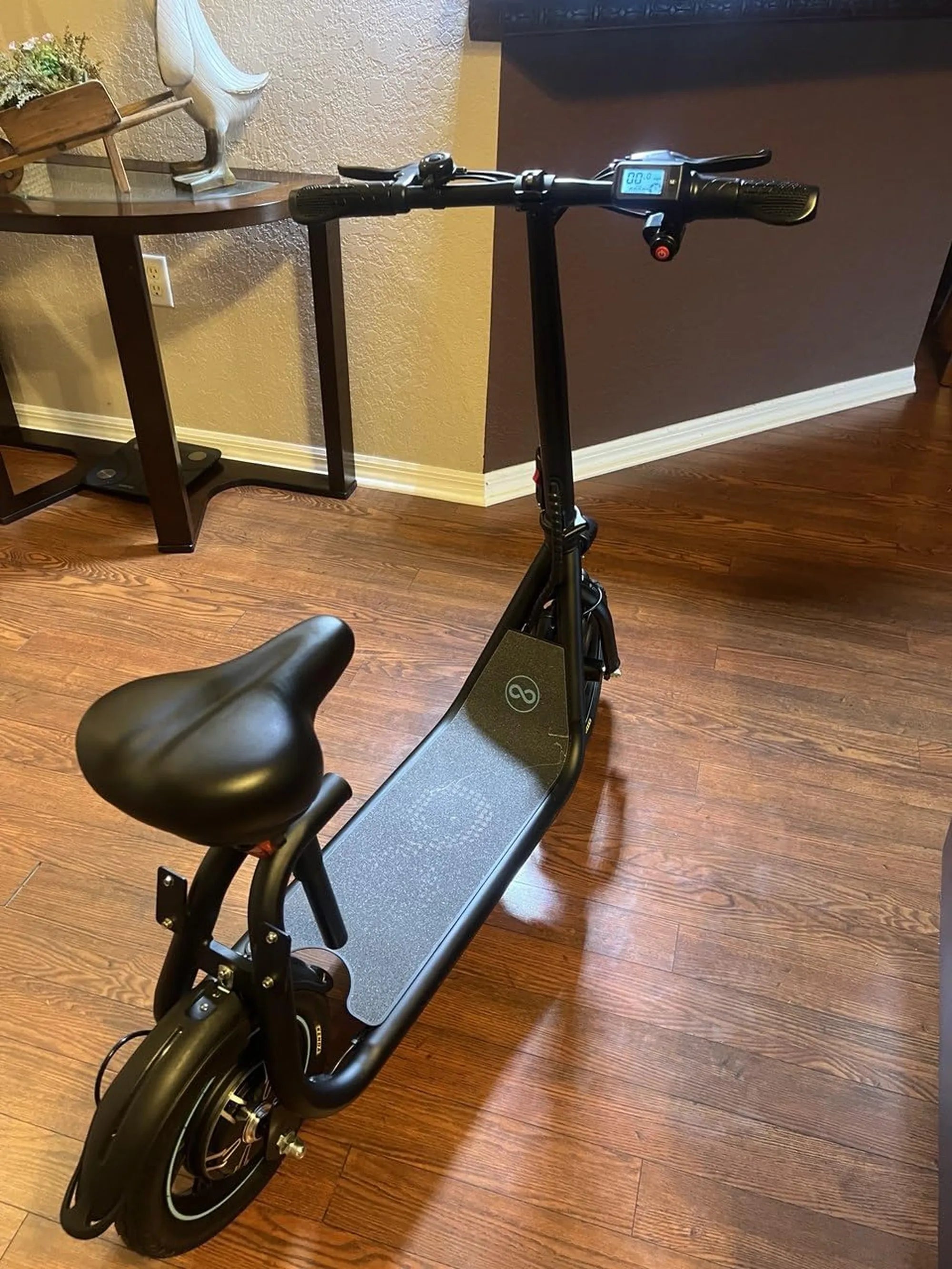
The 2025 Landscape: How Tech is Redefining the Electric Scooter
Electric scooters have evolved from basic last-mile gadgets into sophisticated, integral components of the urban mobility ecosystem. The focus for 2025 is a holistic upgrade: creating scooters that are not only more powerful but also smarter, safer, and seamlessly connected to both the rider and the city. This shift transforms the rider experience from simple transportation to intelligent, assisted mobility.
At the heart of this evolution are advancements in artificial intelligence, material science, and energy storage. Brands like Gyroor are integrating these technologies to meet the demands of over 100,000 riders who prioritize reliability and safety. The result is a new generation of vehicles designed for the complexities of modern city life.
The trajectory is clear. The Technological Advancements in Electric Scooters 2025: The Future of Urban Mobility are centered on solving real-world problems: range anxiety, safety concerns, and durability. This article will detail the key innovations that make the 2025 electric scooter a reliable partner for the urban commuter.
You will learn about the next generation of UL-certified batteries, AI-driven safety protocols, and how IPX5+ water resistance is becoming a standard, not a luxury. We will also examine how these features translate into tangible benefits for your daily ride.
Core Power & Performance: Beyond the Battery
The fundamental equation of electric mobility—range, power, and weight—is being rewritten. While battery capacity remains crucial, the 2025 focus is on systemic efficiency and intelligent power management. This holistic approach delivers more usable performance from every charge.
Lithium-ion cell energy density is projected to increase by 15-20% by 2025 compared to 2022 standards. This doesn't just mean larger batteries; it means compact, UL-certified battery packs, like those used by Gyroor, can deliver 25-35 miles of real-world range without a significant weight penalty. These packs are rigorously tested for over 500 charge cycles, ensuring long-term value.
Motor technology has also matured. High-torque, brushless hub motors are now more efficient and quieter. More importantly, they are paired with advanced motor controllers that use software algorithms for precise torque delivery. This results in smoother acceleration, better hill-climbing capability, and reduced jerkiness, especially from a standstill.
Regenerative braking systems have become more sophisticated. They now intelligently adjust braking force based on speed and battery state, recapturing more energy and reducing wear on physical brake pads. This software-defined powertrain is the unsung hero of the modern scooter's performance profile.
The Intelligence Layer: AI, Connectivity, and Smart Ecosystems
The most significant leap forward is the embedding of intelligence into the scooter's core functions. This layer turns a reactive machine into a proactive mobility assistant, enhancing safety, security, and convenience through data and connectivity.
AI-Powered Safety and Assistance Systems
Basic artificial intelligence and sensor fusion are now standard on premium models. A network of inertial measurement units (IMUs), gyroscopes, and sometimes simple cameras or radar allows the scooter to understand its environment and the rider's behavior.
These systems enable features like adaptive stability control. If the scooter detects wheel slip on a wet surface, it can momentarily reduce motor torque to regain traction. Collision warning systems can provide haptic feedback through the handlebars if an object is detected too close to the rider's path.
Intelligent lighting is another key application. Auto-on/off headlights are common, but 2025 models feature adaptive beam patterns that brighten in dark alleys or dim on well-lit streets to conserve energy and avoid blinding others. This proactive safety net is a major step forward in rider protection.
Deep App Integration and Vehicle-to-Everything (V2X) Communication
The smartphone is now the scooter's primary dashboard and command center. Deep app integration, as seen with Gyroor's companion app, provides real-time diagnostics, battery health monitoring, and customizable performance profiles (e.g., Eco, Sport, Cruise modes).
Theft prevention has evolved. Beyond simple GPS tracking, geofencing allows riders to set virtual boundaries. If the scooter moves outside a designated area, an immediate alert is sent. Some systems can even disable the motor remotely, rendering the scooter inoperable to thieves.
Looking ahead, the foundation for Vehicle-to-Everything (V2X) communication is being laid. While full integration with smart city traffic lights is still emerging, scooters can now share basic location and speed data with other compatible devices, paving the way for safer interactions in dense urban traffic.
Durability and Design: Built for the Real World
Technological progress isn't just about chips and software; it's about building a vehicle that can withstand daily urban punishment. The 2025 scooter prioritizes ruggedness, weatherproofing, and user-centric design without sacrificing portability.
Next-Gen Materials and Weatherization
Frame materials are advancing. Aerospace-grade aluminum alloys remain popular for their strength-to-weight ratio, but we see increased use of reinforced composites in key stress points. This makes frames lighter and more resistant to fatigue from constant folding and urban potholes.
Weather resistance is non-negotiable. An IPX5 rating, which protects against water jets from any direction, is becoming a baseline standard for reputable brands. Gyroor designs its scooters to this standard, ensuring reliable operation in rain or after crossing wet streets. This level of protection safeguards the electrical components and extends the vehicle's lifespan.
Tire technology is also improving. While air-filled tires offer comfort, many 2025 models feature advanced honeycomb or foam-filled tires that are far more puncture-resistant than their predecessors, drastically reducing downtime and maintenance hassle for commuters.
Ergonomic and Modular Design Innovations
Design is increasingly human-centered. Handlebar interfaces are becoming customizable, with modular mounts for phones, lights, or action cameras. Display screens are brighter, more legible in sunlight, and show a wider array of information, from remaining range to connected Bluetooth status.
Quick-swap battery systems are a game-changer for delivery riders or those with long commutes. Instead of waiting for a charge, users can carry a spare, UL-certified battery pack and swap it in seconds, effectively doubling their daily range. This modularity adds tremendous practical utility.
Folding mechanisms have been refined for one-handed operation and greater rigidity when locked open. The goal is to make the transition from riding to carrying and storing as seamless and secure as possible, integrating the scooter smoothly into a multi-modal commute.
Data-Driven Comparison: What 2025 Tech Means for Your Ride
To understand the tangible impact of these Technological Advancements in Electric Scooters 2025: The Future of Urban Mobility, a direct comparison is helpful. The table below contrasts typical specifications from a 2022-era standard scooter with the capabilities of a 2025 tech-enhanced model.
| Feature | 2022 Standard Scooter | 2025 Tech-Enhanced Scooter (e.g., Gyroor Pro Series) |
|---|---|---|
| Real-World Range | 15-20 miles | 25-35 miles |
| Battery Certification | Varies; may lack UL certification | UL 2271 certified battery (500+ cycle tested) |
| Top Speed (Governed) | 15-18 mph | 18-25 mph (with smoother torque control) |
| Core Safety Features | Mechanical brakes, basic lights | Regenerative + disc brakes, adaptive stability control, collision alerts |
| Connectivity & App | Basic Bluetooth for locking | Full diagnostics, GPS anti-theft, geofencing, ride analytics |
| Weather Resistance | IPX4 (splash-resistant) | IPX5+ (water jet resistant) |
| Frame & Build | Standard aluminum | Reinforced alloy/composite, more rigid folding mechanism |
The difference is stark. The 2025 scooter offers more usable range, significantly enhanced proactive safety, and the connectivity to manage your vehicle as a true asset. The IPX5 rating alone translates to greater peace of mind and less worry about weather damage.
For the urban commuter, this means reliability. Your scooter is less likely to fail due to a flat tire, water damage, or a depleted battery mid-commute. The intelligence layer actively works to prevent accidents, making every ride safer.
Safety and Maintenance in the Smart Era
Advanced technology introduces new considerations for safety and upkeep. While features like AI assistance reduce accident risk, riders must understand both the capabilities and limits of their smart scooter.
Regular maintenance is still essential. Smart diagnostics in the app can alert you to issues like declining brake pad life or a motor bearing needing service, moving from scheduled maintenance to condition-based upkeep. This prevents small problems from becoming major failures.
Battery care remains paramount. Even with UL-certified packs, best practices apply: avoid leaving the scooter at 0% or 100% charge for extended periods, store in moderate temperatures, and use only the manufacturer-provided charger. The smart BMS (Battery Management System) does the heavy lifting, but user diligence extends cell life.
Cybersecurity is a new frontier. Ensure your scooter's companion app and firmware are always updated to the latest version to patch any potential vulnerabilities. Use strong, unique passwords for your app account to protect your personal data and prevent unauthorized access to your scooter's controls.
Looking Ahead: The Road to 2030 and Sustainable Mobility
The innovations of 2025 are stepping stones to a more integrated future. By 2030, we can anticipate scooters evolving from connected devices to fully networked nodes within the urban transport grid.
Battery technology will see the next leap with the potential commercialization of solid-state batteries. These promise even higher energy density, faster charging, and improved safety, potentially doubling ranges while reducing charge times to minutes.
Autonomous riding aids will become more advanced. Imagine a scooter that can follow a rider at walking speed in a crowded pedestrian zone (follow-me mode) or use advanced sensor suites for true obstacle avoidance and even limited self-parking.
The scooter's role in multi-modal transit will be cemented. Future apps will not just plan a route but seamlessly integrate scooter leg with public transit, booking and paying for train tickets and scooter rentals in a single transaction, with the scooter acting as the perfect first-and-last-mile connector.
FAQ: Your Questions on Future Scooter Tech, Answered
Q: Are AI scooters safe from hacking?
A> Reputable brands implement robust security. Data encryption for communications and secure boot processes for the scooter's firmware are critical. Always purchase from established brands like Gyroor that prioritize security updates and use certified components.
Q: Will these new batteries be cheaper?
A> Initially, advanced battery tech may carry a premium, but the total cost of ownership is lower. UL-certified batteries with higher cycle lives (500+) mean you won't need a costly replacement for years. The value is in longevity and safety, not just upfront cost.
Q: How does an IPX5 rating protect my investment?
A> An IPX5 rating means the scooter's electronics are sealed against low-pressure water jets from any direction. This allows you to ride confidently in rain, through puddles, and during routine cleaning without fear of water damage, which is a leading cause of scooter failure.
Q: Can my current scooter be upgraded with 2025 tech?
A> Most core technologies (new battery chemistry, AI sensors, motor controllers) are integrated into the scooter's design and cannot be retrofitted. However, you can often benefit from firmware updates that improve performance or add minor features via the manufacturer's app.
Q: What is the most important advancement for a new rider?
A> For safety and peace of mind, prioritize a scooter with a UL-certified battery (like Gyroor's) and a high IP water resistance rating (IPX5 or higher). These foundational technologies ensure your scooter is safe from fire risk and built to last in real-world conditions.
The Technological Advancements in Electric Scooters 2025: The Future of Urban Mobility deliver a fundamentally better product: safer, smarter, and more durable. This isn't about gimmicks; it's about building trust and reliability into every ride. For commuters seeking a dependable, efficient, and intelligent way to navigate the city, the next generation of electric scooters is ready. Explore how leading brands are incorporating these innovations to enhance your daily travel.
Ready to experience the future of urban mobility? Browse the full collection of advanced, UL-certified electric scooters and e-bikes at gyroorboard.com and find the perfect tech-enhanced ride for your commute.
Electric Scooters vs Electric Bikes: Which Is the Better Ride for You? An In-Depth Comparison
Does Las Vegas Have Electric Scooters? A Complete Rider's Guide