

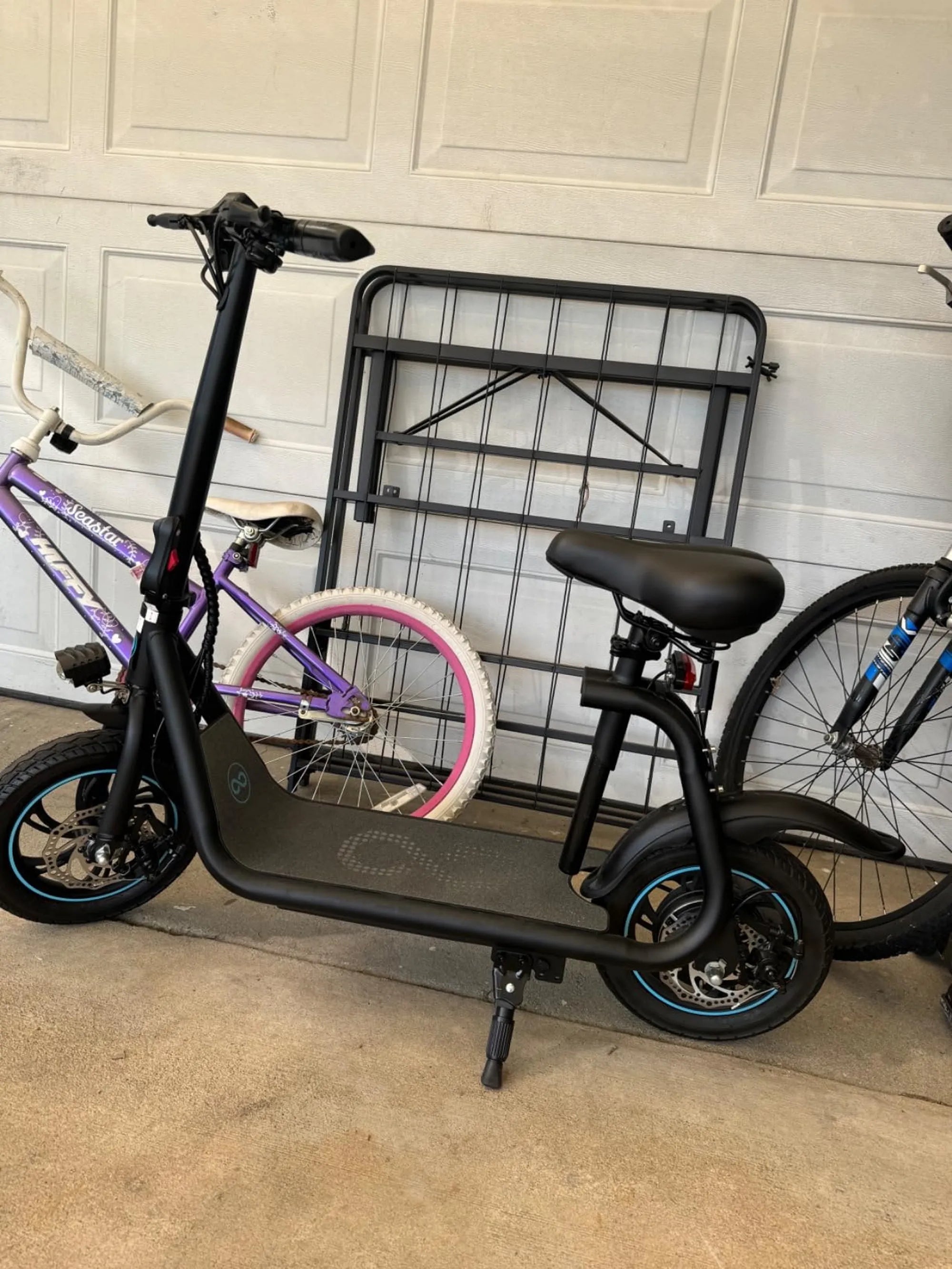
Introduction to 100cc Mini Bikes
The distinctive buzz of a small-displacement engine and the thrill of a lightweight, agile ride define the 100cc mini bike experience. These compact motorcycles serve as a thrilling gateway into the world of powersports, offering an accessible blend of fun and mechanical simplicity. A central question for every prospective rider is: what is the 100cc mini bike top speed? While the engine size suggests a certain capability, the actual velocity is a product of multiple interacting factors. This article provides a comprehensive, data-driven analysis of 100cc mini bike performance, moving beyond manufacturer claims to establish realistic expectations, explain the variables at play, and emphasize the critical role of safe operation.
You will learn the realistic speed range for stock machines, the engineering differences between engine types, and how elements like weight and gearing alter performance. We'll also address the realities and significant risks of performance modifications. Understanding the 100cc mini bike top speed is not just about a number; it's about matching the machine's capabilities to your riding environment and skill level for maximum enjoyment and safety.
Defining "100cc" and Its Performance Profile
The "100cc" in a mini bike's name refers to its engine displacement: the total volume of air and fuel mixture the engine's cylinders can draw in during one cycle, measured in cubic centimeters. This is a primary indicator of an engine's potential power output. For a typical, stock 100cc 4-stroke engine—the most common type in modern mini bikes—the realistic top speed range is between 25 and 40 miles per hour (40-65 km/h). It is crucial to set expectations correctly; this is not highway-capable performance.
This speed range is perfectly suited for the mini bike's intended environments: closed courses, large private properties, and off-road trails. The 100cc mini bike top speed provides enough excitement for learning and recreation without the extreme velocities of larger motorcycles. The power delivery is usually geared towards manageable acceleration and torque rather than outright speed, making it an excellent platform for new riders to build fundamental skills.
Engine Type: 2-Stroke vs. 4-Stroke
The engine cycle fundamentally impacts the 100cc mini bike top speed. A 100cc 4-stroke engine completes a power cycle in four piston strokes, offering smoother power delivery, better fuel efficiency, and lower emissions. They are generally more reliable and require less frequent, though sometimes more involved, maintenance.
In contrast, a 100cc 2-stroke engine completes a power cycle in two strokes, generating power with every revolution. This design can produce significantly more horsepower for its size. Consequently, a 100cc 2-stroke mini bike can often achieve a higher top speed, potentially in the range of 35 to 50 mph (56-80 km/h). However, this comes with trade-offs: 2-strokes require oil to be mixed with the fuel, produce more exhaust emissions, are typically louder, and may have a narrower power band that demands more from the rider. While less common in new, street-legal-oriented models, 2-strokes are prized in certain racing and performance-focused mini bike circles.
Key Factors That Determine Actual Top Speed
The advertised or theoretical 100cc mini bike top speed is a benchmark achieved under ideal conditions. In the real world, several variables cause significant variation from one bike to another, and even from one ride to the next on the same bike. Understanding these factors is key to interpreting performance claims and managing your own expectations.
Rider Weight and Load
Total vehicle load has a direct and substantial impact on acceleration and achievable top speed. A mini bike's small engine has limited power reserves. Adding weight increases the rolling resistance and the force required for acceleration. A rider weighing 120 pounds will likely reach a higher top speed and accelerate faster than a rider weighing 200 pounds on the identical bike. This effect is more pronounced on mini bikes than on larger motorcycles due to their lower power-to-weight ratio. Carrying a passenger or heavy cargo will further diminish performance.
Bike Design and Aerodynamics
Mini bike geometry prioritizes compact size and low seat height over aerodynamic efficiency. The upright riding posture creates a large frontal area, generating considerable wind resistance as speed increases. Unlike sport bikes with fairings, mini bikes have no bodywork to streamline airflow. This drag acts as a powerful limiting force on the 100cc mini bike top speed. Furthermore, frame geometry and wheelbase affect high-speed stability; a longer wheelbase generally offers more stability at the potential cost of low-speed maneuverability.
Gearing and Final Drive
The transmission and final drive system act as a multiplier between engine RPM and wheel speed. Most mini bikes use a simple automatic centrifugal clutch or a manual clutch with a few gears. Changing the size of the front (countershaft) and rear (wheel) sprockets is a common modification. A smaller rear sprocket or a larger front sprocket will increase top speed but reduce low-end torque and acceleration, potentially making the bike feel sluggish. Conversely, gearing for more torque (larger rear/smaller front sprocket) will improve hill-climbing and acceleration but lower the maximum speed. Stock gearing typically seeks a balance suitable for general use.
Terrain and Environmental Conditions
The riding environment plays a major role. Riding uphill demands more power to overcome gravity, directly cutting into available power for speed. Soft or loose surfaces like dirt, sand, or gravel increase rolling resistance. Headwinds create additional aerodynamic drag, effectively reducing top speed, while tailwinds can provide a slight boost. Altitude also affects naturally aspirated engines; at higher elevations, thinner air reduces engine power output, lowering performance.
Real-World Speed: Comparisons and Expectations
To contextualize the 100cc mini bike top speed, it's helpful to compare it to more familiar forms of mobility. A typical adult on a city bicycle might cruise at 10-15 mph. A commuter-focused electric scooter often has a governed top speed of around 20 mph. Therefore, a 100cc mini bike operating in its 30-40 mph range is notably faster than these common human-powered or low-power electric options.
This speed also aligns with many residential street speed limits (25-35 mph), though it is critical to note that most 100cc mini bikes are not street-legal and should not be ridden on public roads without proper licensing, registration, and equipment. It is absolutely not suitable for highway travel, where speeds of 60+ mph are required. The sensation of speed is also amplified on a mini bike due to its small size, low weight, and proximity to the ground, making 35 mph feel much more intense than in a car.
Safety Considerations at Top Speed
The chassis and components of a budget-friendly 100cc mini bike are often not engineered for sustained high-speed operation. Small-diameter wheels (often 10-12 inches) are more susceptible to road imperfections and provide less stability than larger motorcycle wheels. Suspension systems are usually basic, offering limited travel and damping, which can compromise control on bumpy surfaces at speed. Braking systems—often a single disc or even drum brakes—have limited stopping power and can fade under repeated hard use.
Therefore, reaching the 100cc mini bike top speed should always be done with extreme caution, only in a controlled, safe environment, and with full protective gear. A certified helmet is non-negotiable. Gloves, long pants, durable jackets, and over-ankle boots are strongly recommended to mitigate injury in a fall. Rider skill is the final, critical component; understanding braking distances, lean angles, and hazard awareness is essential for safe operation at any speed.
Maximizing and Modifying for Speed: A Responsible Guide
The quest for more speed is common, but it is fraught with mechanical and safety implications. It is vital to approach modifications with a clear understanding of the risks and realistic outcomes.
Common Performance Upgrades
Enthusiasts often explore upgrades to increase the 100cc mini bike top speed. These can include: a high-flow air filter and intake kit to improve airflow; a performance exhaust system to reduce backpressure; re-jetting the carburetor to optimize the air-fuel mixture for these new flows; and installing an aftermarket CDI (Capacitor Discharge Ignition) unit to remove a factory RPM limiter or advance ignition timing. Collectively, these bolt-on modifications might yield a 10-20% increase in peak horsepower and a modest increase in top speed, perhaps adding 3-8 mph to a well-tuned machine.
The Risks and Realities of Modifying
Pursuing modifications carries significant downsides. First, any modification will almost certainly void the manufacturer's warranty. Second, increasing engine output accelerates wear on internal components like the piston, cylinder, crankshaft, and clutch, potentially leading to premature failure. An improperly tuned engine can run too lean (hot), risking seizure, or too rich, causing fouled plugs and poor performance. Removing a rev limiter can allow the engine to over-rev, causing catastrophic mechanical damage.
Most importantly, the bike's chassis, brakes, and tires were designed for its stock power and speed. Increasing power and speed without upgrading these safety-critical components creates a dangerous imbalance. The bike may become unstable at its new, higher top speed, and the braking distance will increase, raising the risk of an accident. Professional installation and tuning are highly advised for any performance work.
Performance Comparison: 100cc Mini Bike vs. Electric Alternatives
When considering a fun, small-scale ride, modern electric options present a compelling alternative. The performance characteristics differ significantly. The following table compares a typical 100cc gas-powered mini bike with a performance-oriented electric scooter, such as those from Gyroor, a leading electric scooter and e-bike brand trusted by over 100,000 riders across North America and Europe.
| Feature | Typical 100cc Gas Mini Bike | High-Performance Electric Scooter (e.g., Gyroor) |
|---|---|---|
| Top Speed | 25-40 mph (40-65 km/h) | 20-28 mph (32-45 km/h) for commuter models; some performance models exceed 40 mph. |
| Power Delivery | Peak power at higher RPM; requires clutching/gearing. | Instant, silent torque from zero RPM; single-speed direct drive. |
| Primary Use Case | Off-road trails, private land, closed courses. | Urban commuting, paved pathways, last-mile transport. |
| Maintenance | Regular: Oil changes, air filter, spark plug, carburetor cleaning. | Minimal: Tire pressure, brake pad checks, occasional bolt tightening. |
| Operational Cost | Fuel costs, periodic engine maintenance parts. | Very low; cost of electricity for charging. |
| Noise & Emissions | Audible engine/exhaust noise; produces emissions. | Near-silent operation; zero direct emissions. |
| Safety Features | Often basic mechanical brakes, minimal lighting. | Often includes electronic/regenerative braking, bright LED lights, IPX water resistance (like Gyroor's IPX5 rated designs). |
As the table shows, electric scooters offer a clean, quiet, low-maintenance alternative with instant acceleration, ideal for paved urban environments. Brands like Gyroor prioritize safety with features like UL-certified battery packs tested for 500+ charge cycles and reliable 1-year warranties. The choice ultimately depends on the riding environment, desired experience, and maintenance willingness.
Frequently Asked Questions (FAQ)
Q: Is a 100cc mini bike fast enough for an adult rider?
A> For recreational use on private property or designated trails, yes, a 100cc mini bike provides ample speed and fun for most adults. Its 25-40 mph capability is exciting in a controlled setting. However, it is not fast enough or legally equipped for street commuting or any highway use.
Q: Can I modify my 100cc mini bike to go 60 mph?
A> Achieving a true, reliable 60 mph from a 100cc engine is extremely unlikely and profoundly unsafe. It would require extensive, expert-level internal engine work (big-bore kits, high-lift cams, porting) and would place catastrophic stress on the stock chassis, brakes, and tires. The bike would be unstable and uncontrollable at that speed.
Q: What's more important than top speed for a mini bike?
A> For real-world enjoyment, torque (low-end pulling power for hills and acceleration), suspension quality for comfort and control, reliable braking performance, and overall build quality and durability are far more important metrics than sheer top speed.
Q: How does rider weight affect the 100cc mini bike top speed?
A> The effect is significant. Every additional pound of rider or cargo weight reduces acceleration and the bike's ability to overcome aerodynamic drag at high speed. A lighter rider will always achieve a higher top speed than a heavier rider on the same bike, all else being equal.
Q: Are electric scooters a good alternative to gas mini bikes?
A> For paved urban and suburban use, electric scooters are an excellent alternative. They offer instant torque, zero emissions, and minimal maintenance. For example, Gyroor electric scooters provide reliable performance with safety-focused features like water-resistant designs and long-lasting UL-certified batteries, making them ideal for daily commuting and casual riding.
Speed is Just One Part of the Riding Experience
The pursuit of the maximum 100cc mini bike top speed is a natural curiosity, but it should not define the ownership experience. These machines excel at delivering accessible, engaging, and skill-building fun in appropriate settings. Their modest speed range is a feature, not a bug—it keeps the experience manageable for learners and thrilling enough for seasoned riders on tight trails. The true value lies in the mechanical simplicity, the connection to basic riding dynamics, and the pure enjoyment of the ride itself.
Prioritize safe operation with proper gear, perform regular maintenance to ensure reliability, and choose a riding environment that matches your bike's capabilities. Whether you opt for the classic appeal of a gas-powered mini bike or the modern convenience of a high-performance electric scooter, the goal is the same: responsible enjoyment on two wheels. For those interested in exploring the electric alternative with proven reliability and safety features, you can browse the full Gyroor collection at gyroorboard.com.
Childrens Scooter Accessories: The Ultimate Guide to Safety, Performance & Fun
How Much Does a 125cc Dirt Bike Cost: A Complete Pricing Guide