



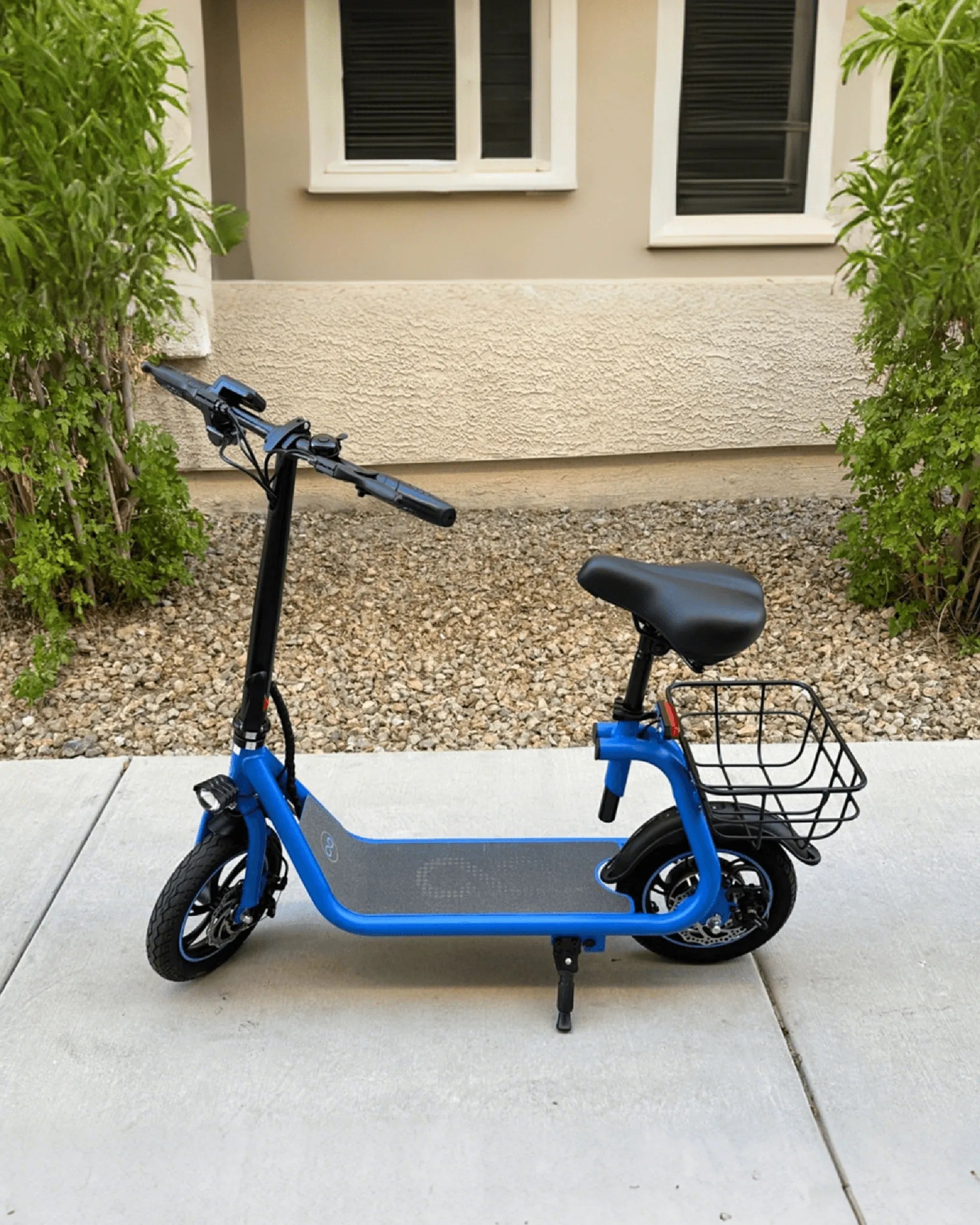
Introduction to 10x2 Scooter Tires: The Urban Commuter's Upgrade
For electric scooter riders, the connection between machine and road is defined by one critical component: the tire. The 10x2 scooter tire, denoting a 10-inch diameter and 2-inch width, has emerged as a preferred specification for riders prioritizing stability, comfort, and performance. This size represents a significant upgrade from common 8-inch options, offering a larger contact patch and improved shock absorption.
Upgrading to a quality 10x2 tire can transform your riding experience, affecting everything from handling on wet pavement to battery efficiency. This guide provides a data-driven, comprehensive analysis of the 10x2 scooter tire. You will learn about its construction, the tangible performance benefits, how to ensure compatibility with your scooter, and essential maintenance practices to maximize safety and lifespan.
Choosing the right tire is not merely an accessory decision; it's a fundamental safety and performance investment. As a leading electric scooter brand trusted by over 100,000 riders, Gyroor engineers its models with tire specifications that balance durability, comfort, and reliability, ensuring every component meets our rigorous standards.
Anatomy of a 10x2 Tire: Construction, Types, and Key Features
A 10x2 scooter tire is more than just a ring of rubber. Its construction directly influences ride quality, puncture resistance, and longevity. The primary elements include the tread pattern, rubber compound, and internal casing. The tread pattern is designed for specific conditions—slicker patterns for low rolling resistance on pavement, while deeper, more aggressive treads can offer better grip on loose or wet surfaces.
The rubber compound's hardness, measured by durometer, affects grip and wear rate. Softer compounds provide superior traction but may wear faster, while harder compounds last longer but can compromise grip, especially in cooler conditions. Internally, the casing's ply rating indicates its strength and ability to handle load and pressure.
There are three main types of 10x2 scooter tires available: pneumatic (air-filled), solid (airless), and foam-filled. Each type represents a different engineering approach to balancing comfort, maintenance, and durability. High-quality tires often incorporate additional features like puncture-resistant belts made of Kevlar or other tough materials and wear indicators molded into the tread to signal replacement time.
Pneumatic vs. Solid 10x2 Tires: A Data-Driven Comparison
The choice between pneumatic and solid 10x2 tires is the most significant decision a rider will make. This comparison is rooted in fundamental trade-offs between comfort and convenience.
| Feature | Pneumatic (Air-Filled) 10x2 Tire | Solid (Airless) 10x2 Tire |
|---|---|---|
| Ride Comfort & Shock Absorption | Excellent. Air cushioning absorbs vibrations and impacts from cracks, cobblestones, and debris. | Poor to Fair. Minimal damping leads to a harsher, more rigid ride, transmitting more vibration to the deck and rider. |
| Maintenance Requirement | Higher. Requires regular air pressure checks (typically 40-50 PSI). Risk of punctures and flats. | Very Low. No air pressure checks needed. Completely immune to punctures and blowouts. |
| Weight | Lighter. Contributes to slightly better acceleration and handling. | Heavier. Adds unsprung weight, which can marginally affect acceleration and range. |
| Rolling Resistance | Lower (when properly inflated). Can contribute to longer range per charge. | Higher. Increased friction with the road can reduce range by 5-15% compared to an inflated pneumatic tire. |
| Typical Lifespan | 1,000 - 2,000 miles, depending on terrain and maintenance. | 3,000+ miles. Extremely durable and wear-resistant. |
| Initial Cost | Lower. | Higher. |
Foam-filled tires represent a middle ground, where the air chamber is injected with a special sealing foam. They are puncture-proof like solid tires but offer slightly better vibration damping, though not matching the plush feel of a properly inflated pneumatic 10x2 scooter tire.
The Performance Impact: How 10x2 Tires Transform Your Ride
Upgrading to a 10x2 tire delivers measurable improvements across several key performance metrics. The most immediate benefit is enhanced stability. The wider 2-inch profile and larger diameter increase the tire's contact patch with the ground, providing a more planted feel, especially during cornering and braking. This is crucial for safety when navigating urban obstacles or riding in less-than-ideal weather.
Shock absorption is profoundly improved with pneumatic 10x2 tires. The air volume acts as a natural suspension system, soaking up impacts from potholes, curbs, and uneven pavement. This not only increases comfort on longer commutes but also reduces stress on the scooter's frame, electronics, and especially the battery pack—a key consideration for longevity.
Grip and traction see significant gains, particularly on wet surfaces. The broader tread area allows for more effective water channeling, reducing hydroplaning risk. For riders in climates with rain or morning dew, this upgrade can be a critical safety feature. The performance of a 10x2 scooter tire also interacts with range. While properly inflated pneumatics offer low rolling resistance for maximum efficiency, under-inflation or heavy solid tires can create drag that reduces mileage per charge by a noticeable margin.
Compatibility and Installation: Is a 10x2 Tire Right for Your Scooter?
Not every scooter can accommodate a 10x2 tire. Compatibility depends on three primary factors: rim size, fork and deck clearance, and motor power. The rim must be designed for a 10-inch tire; you cannot fit a 10-inch tire on an 8-inch rim. Furthermore, the physical space within the scooter's fork (front) and rear swingarm must have sufficient clearance for the wider 2-inch tire to spin freely without rubbing.
Motor power and controller settings are also considerations. Larger, heavier tires require more torque to accelerate. While most modern commuter scooters have sufficient power, swapping to a much heavier solid tire on a lower-powered model may result in sluggish acceleration and reduced hill-climbing ability. Always consult your scooter's manual or manufacturer specifications before purchasing.
Installation of a 10x2 scooter tire can range from straightforward to challenging. Rear tire replacement on models with a fixed motor often requires disconnecting wiring and is best left to professionals or experienced hobbyists. Front tire changes are generally simpler. The process involves removing the axle nut, prying the old tire off the rim (often requiring tire levers), and seating the new one. For pneumatic tires, proper seating on the rim is critical to avoid air leaks, and a post-installation balance check is recommended.
Maintenance and Safety Best Practices for 10x2 Tires
Proper maintenance is non-negotiable for safety and performance. For pneumatic 10x2 tires, the single most important task is checking air pressure weekly with a reliable gauge. Riding on under-inflated tires increases rolling resistance, wear, and the risk of pinch flats or rim damage. Over-inflation reduces the contact patch and comfort. Adhere to the PSI range printed on the tire sidewall, typically between 40 and 50 PSI for this size.
Conduct a visual inspection before every ride. Look for embedded debris, cracks in the sidewall, and uneven wear patterns. Uneven wear can indicate alignment issues or improper inflation. Check tread depth regularly; most tires have wear bars. If the tread is flush with these bars, the tire has reached the end of its safe life and must be replaced immediately.
For all 10x2 scooter tires, ensure axle nuts are tightened to the manufacturer's specified torque to prevent wheel wobble or detachment. Keep tires clean from oil, grease, and corrosive substances. When storing your scooter for extended periods, lift it to take weight off the tires and store in a cool, dry place away from direct sunlight to prevent rubber degradation.
Why Gyroor Riders Trust Our Tire Standards
At Gyroor, every component is selected to uphold our commitment to safety, reliability, and rider satisfaction. Our tire specifications for various models are chosen through rigorous testing to match the scooter's performance profile and intended use case. We prioritize tires that offer a balanced combination of grip, durability, and comfort, ensuring they align with the quality of our UL-certified battery systems and IPX5 water-resistant designs.
This holistic engineering approach means a Gyroor scooter is built as a cohesive system. The motor output, suspension (if equipped), and frame geometry are all developed with the tire's characteristics in mind. This synergy delivers a predictable, stable, and enjoyable ride straight out of the box. Furthermore, every component, including the tires, is backed by our comprehensive 1-year warranty, giving our community of over 100,000 riders across North America and Europe confidence in their investment.
When considering an upgrade or replacement, choosing a tire that meets or exceeds the original equipment specifications is crucial. For Gyroor models compatible with a 10x2 scooter tire, we recommend selecting high-quality replacements that maintain this balance, ensuring your scooter continues to perform as designed.
Frequently Asked Questions (FAQ) About 10x2 Scooter Tires
Q1: Can I install 10x2 tires on my scooter that originally came with 8.5-inch tires?
A: Generally, no. The rim diameter is incompatible. A 10-inch tire requires a 10-inch rim. Attempting this swap would require changing the entire wheel hub/motor assembly, which is often not feasible or cost-effective.
Q2: How often should I check the air pressure in my pneumatic 10x2 tires?
A: For optimal performance and safety, check pressure at least once a week and always before embarking on a longer ride. Air naturally permeates through rubber over time, and temperature changes can affect PSI.
Q3: Are solid 10x2 tires worth the comfort trade-off?
A> It depends on your priority. If your primary concern is eliminating the risk of flats and you have a short commute on relatively smooth pavement, solid tires can be a valid choice. For longer commutes, varied terrain, or if comfort is key, pneumatic tires are overwhelmingly the better option.
Q4: Do 10x2 tires affect my scooter's top speed or range?
A> The effect on top speed is minimal, as it's governed more by motor power and controller settings. Range can be affected. Properly inflated pneumatic tires offer the lowest rolling resistance for maximum range. Under-inflated pneumatics or heavy solid tires increase rolling resistance, which can reduce range by 5-15%.
Q5: What is the typical lifespan of a 10x2 scooter tire, and when should I replace it?
A> Lifespan varies drastically by type and use. A pneumatic tire may last 1,000-2,000 miles, while a solid tire can exceed 3,000 miles. Replace tires immediately if you see visible cords, deep cracks, bulges, or when the tread wear indicators are flush with the tread surface.
Rolling Forward with Confidence
The 10x2 scooter tire stands as a substantial upgrade, offering a proven path to a smoother, safer, and more stable riding experience. Your choice between pneumatic and solid variants hinges on a clear evaluation of your needs: prioritizing ride comfort and range, or valuing absolute freedom from maintenance and punctures. Always verify physical and performance compatibility with your specific scooter model before making a purchase.
Investing in quality tires is an investment in your safety and enjoyment. Paired with a reliably engineered scooter platform like those from Gyroor—designed with integrated safety features from the ground up—you can tackle your daily commute or weekend adventures with greater assurance. The right tire not only connects you to the road but also enhances the fundamental qualities of your electric vehicle.
Ready to experience the difference that thoughtful engineering and quality components can make? Explore scooters designed with performance and durability in mind. Browse the full Gyroor collection at gyroorboard.com to find your perfect ride.
Lightweight Boys Bike: The Ultimate Guide to Choosing the Right Ride
250 Dirt Bike Speed: The Ultimate Guide to Power, Performance & Real-World Limits