



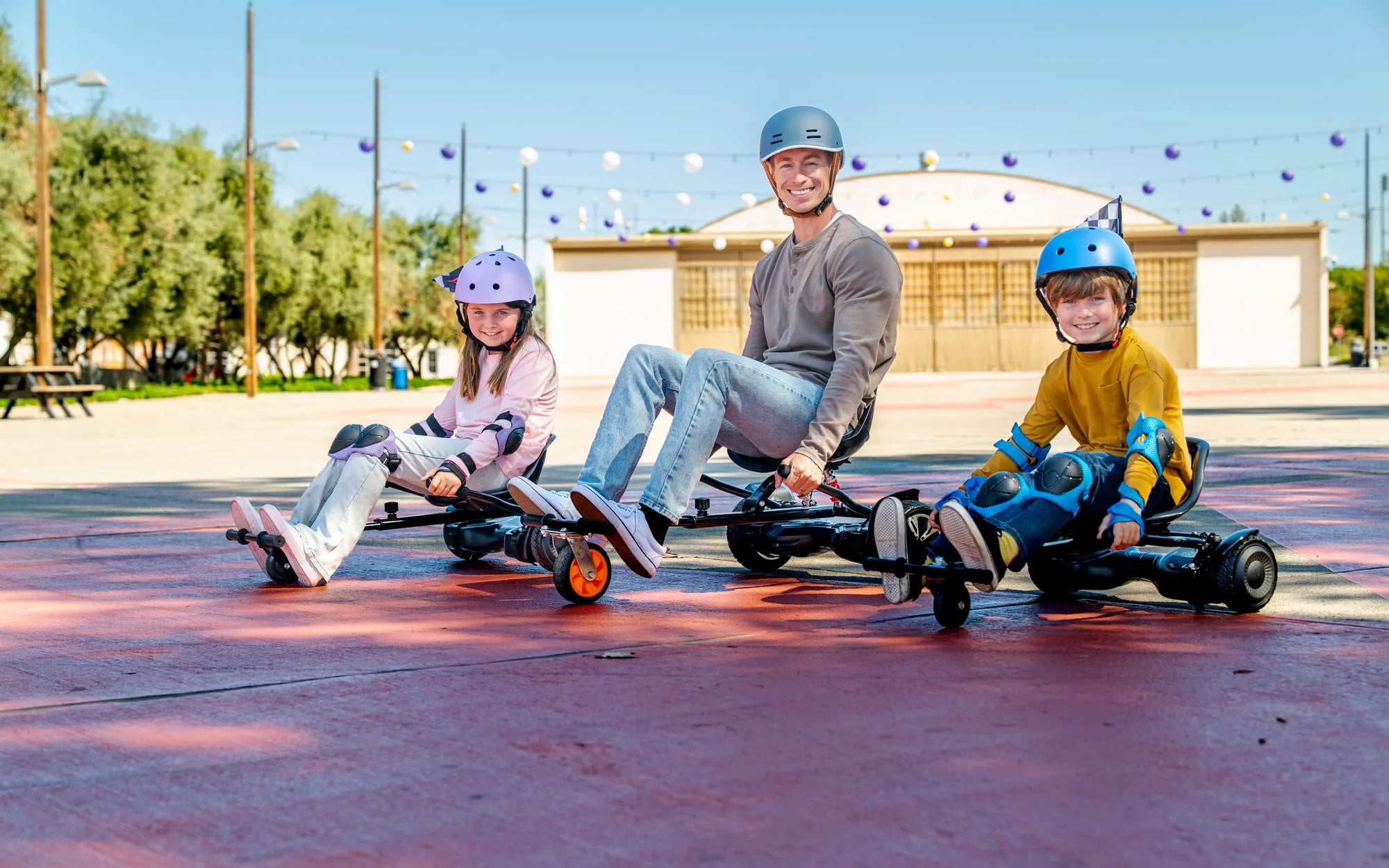
Imagine a toddler, barely old enough to walk, gliding effortlessly on a hoverboard with the confidence of a seasoned pro. This viral moment of a 14-month-old girl mastering a hoverboard has left the world in awe—and raised important questions about the role of technology in early childhood.
The Viral Phenomenon
The video of this young girl riding a hoverboard has spread like wildfire across social media platforms. Parents, educators, and tech enthusiasts alike are marveling at her balance, coordination, and fearlessness. But beyond the cuteness factor, this moment highlights a larger trend: children are engaging with advanced technology at younger ages than ever before.
Early Tech Exposure: Pros and Cons
While some celebrate the girl's hoverboard skills as a sign of generational progress, others worry about the potential risks. Here's a breakdown of the key arguments:
Benefits
- Motor Skill Development: Balancing on a hoverboard requires core strength and coordination, which could enhance physical development.
- Cognitive Growth: Mastering new tech at an early age may foster problem-solving skills and adaptability.
- Confidence Building: Successfully riding a hoverboard could boost a child's self-esteem and willingness to try new challenges.
Concerns
- Safety Risks: Hoverboards can be dangerous, especially for toddlers who lack the reflexes to prevent falls.
- Screen Time vs. Active Play: Some experts argue that traditional play is more beneficial for early development than tech-based activities.
- Pressure to Perform: Viral moments like this may create unrealistic expectations for other parents and children.
Parenting in the Digital Age
This hoverboard-riding toddler is a symbol of a much larger conversation about how parents navigate technology with their children. Should kids be introduced to gadgets this early, or is it better to wait? The answer isn't straightforward, but here are some guiding principles:
- Supervision is Key: If children use tech like hoverboards, close adult supervision is non-negotiable.
- Balance Matters: Tech play should complement, not replace, traditional forms of play and learning.
- Know Your Child: Every child develops at their own pace—what works for one may not be suitable for another.
The Future of Play
As technology continues to evolve, so will the ways children interact with it. The hoverboard-riding toddler is just the beginning. From augmented reality playgrounds to AI-powered toys, the line between physical and digital play is blurring. What does this mean for the next generation? Only time will tell, but one thing is certain: the future of childhood will look very different from the past.
Whether you're amazed or concerned by this 14-month-old hoverboard prodigy, her story is a reminder that the world is changing—fast. The question isn't whether kids will keep up with tech, but how we can ensure they thrive in a future where the impossible becomes everyday.
$50 Hoverboard for Sale: The Ultimate Guide to Finding Affordable Rides
Show Me All the Hoverboards: The Ultimate Guide to Choosing the Best One