



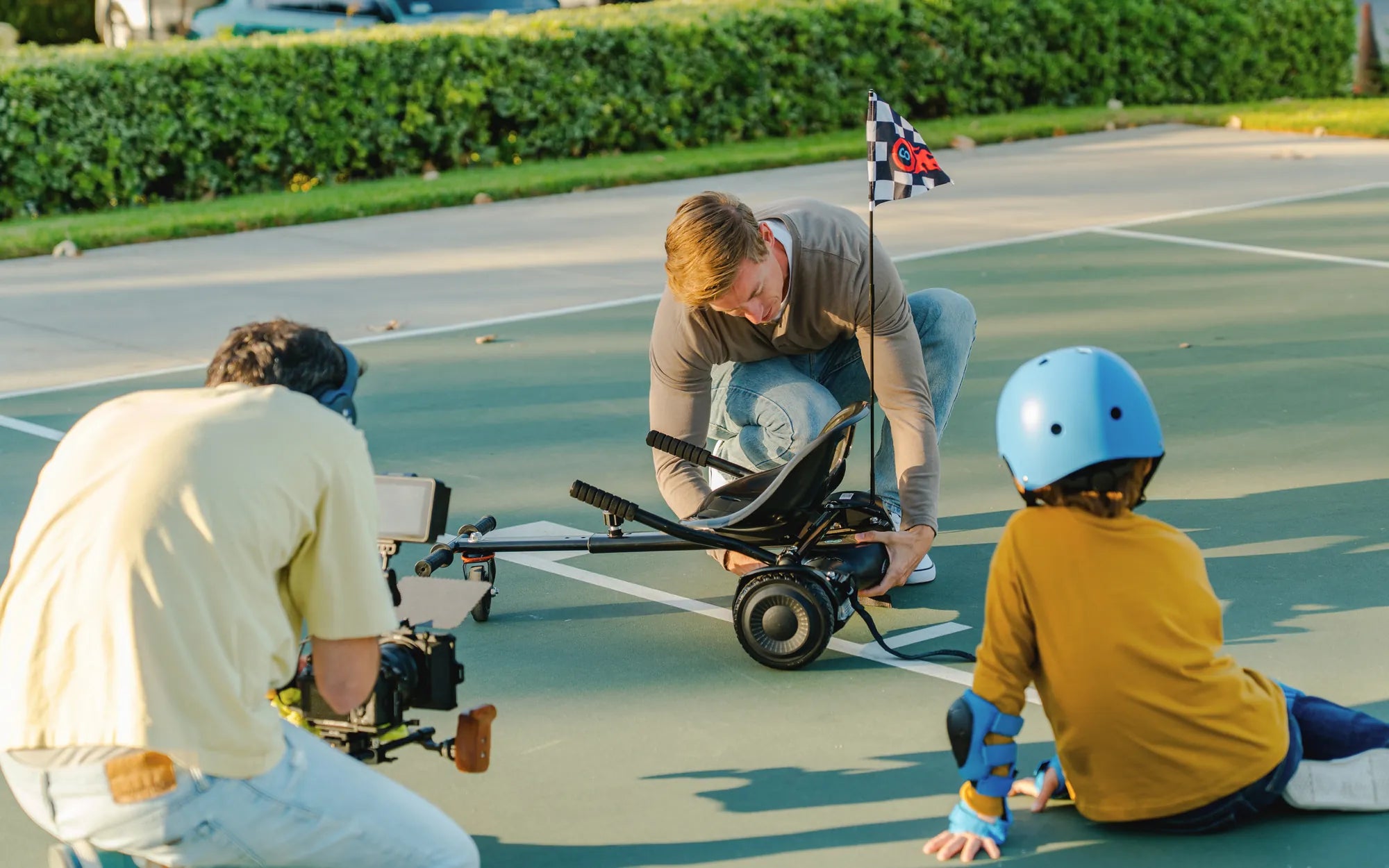
Imagine a 14-month-old gliding effortlessly on a hoverboard—eyes wide with excitement, tiny hands gripping the sides for balance. While the sight might be adorable, it sparks a serious conversation about child safety, developmental milestones, and the role of modern technology in early childhood. Is it a harmless fun activity or a risky endeavor? Let’s dive into the details.
The Reality of Toddlers on Hoverboards
Hoverboards, self-balancing scooters that gained popularity in recent years, are typically marketed toward older children and adults. Seeing a 14-month-old on one is unusual, but not unheard of. At this age, most toddlers are just learning to walk, making the idea of riding a hoverboard both fascinating and concerning.
Developmental Milestones at 14 Months
By 14 months, most children are developing critical motor skills. They may be taking their first steps, climbing furniture, or even running awkwardly. Their balance and coordination are still in the early stages, which raises questions about whether they’re physically ready for a hoverboard.
- Gross Motor Skills: Toddlers at this age are still mastering walking and may stumble frequently.
- Fine Motor Skills: Hand-eye coordination is improving, but precise movements are limited.
- Cognitive Development: Understanding cause and effect is emerging, but impulse control is minimal.
Safety Concerns and Risks
Hoverboards require balance, coordination, and quick reflexes—skills most 14-month-olds lack. The risks include:
- Falls and Injuries: Without proper balance, toddlers can easily fall, leading to bruises, fractures, or head injuries.
- Speed Control: Hoverboards can move unexpectedly, posing a danger to young children who can’t react quickly.
- Parental Supervision: Even with close monitoring, accidents can happen in seconds.
Expert Opinions on Toddlers and Hoverboards
Pediatricians and child development experts generally advise against hoverboards for children under five. Their reasoning includes:
- Physical Readiness: Most toddlers lack the core strength and coordination needed for safe hoverboard use.
- Safety Gear Limitations: Helmets and pads designed for older kids may not fit a 14-month-old properly.
- Alternative Activities: Encouraging natural movement, like walking and climbing, is more beneficial at this stage.
Parental Guidance and Responsible Use
If parents still choose to introduce a hoverboard to their toddler, extreme caution is necessary. Here are some guidelines:
- Close Supervision: Never leave a child unattended on a hoverboard, even for a second.
- Slow Speeds: Use models with speed-limiting features and keep them at the lowest setting.
- Safe Environment: Ride only on flat, obstacle-free surfaces away from stairs or pools.
Alternatives to Hoverboards for Toddlers
For parents looking to encourage balance and coordination, safer alternatives include:
- Push Toys: Wagons or ride-on toys that toddlers can push while walking.
- Rocking Horses: Gentle, stable toys that mimic motion without the risk of tipping.
- Balance Bikes: Pedal-free bikes that help toddlers develop balance at their own pace.
The Role of Technology in Early Childhood
While hoverboards represent cutting-edge fun, they’re not always suitable for very young children. Parents should weigh the excitement of new gadgets against their child’s developmental stage and safety.
Seeing a 14-month-old on a hoverboard might go viral, but it’s crucial to prioritize safety over social media fame. With the right precautions and realistic expectations, parents can ensure their child’s adventures are both fun and safe.
Where Can You Use Hoverboards: The Ultimate Guide to Riding Safely and Legally
Green Hoverboard Cheap: The Ultimate Guide to Affordable Eco-Friendly Rides