


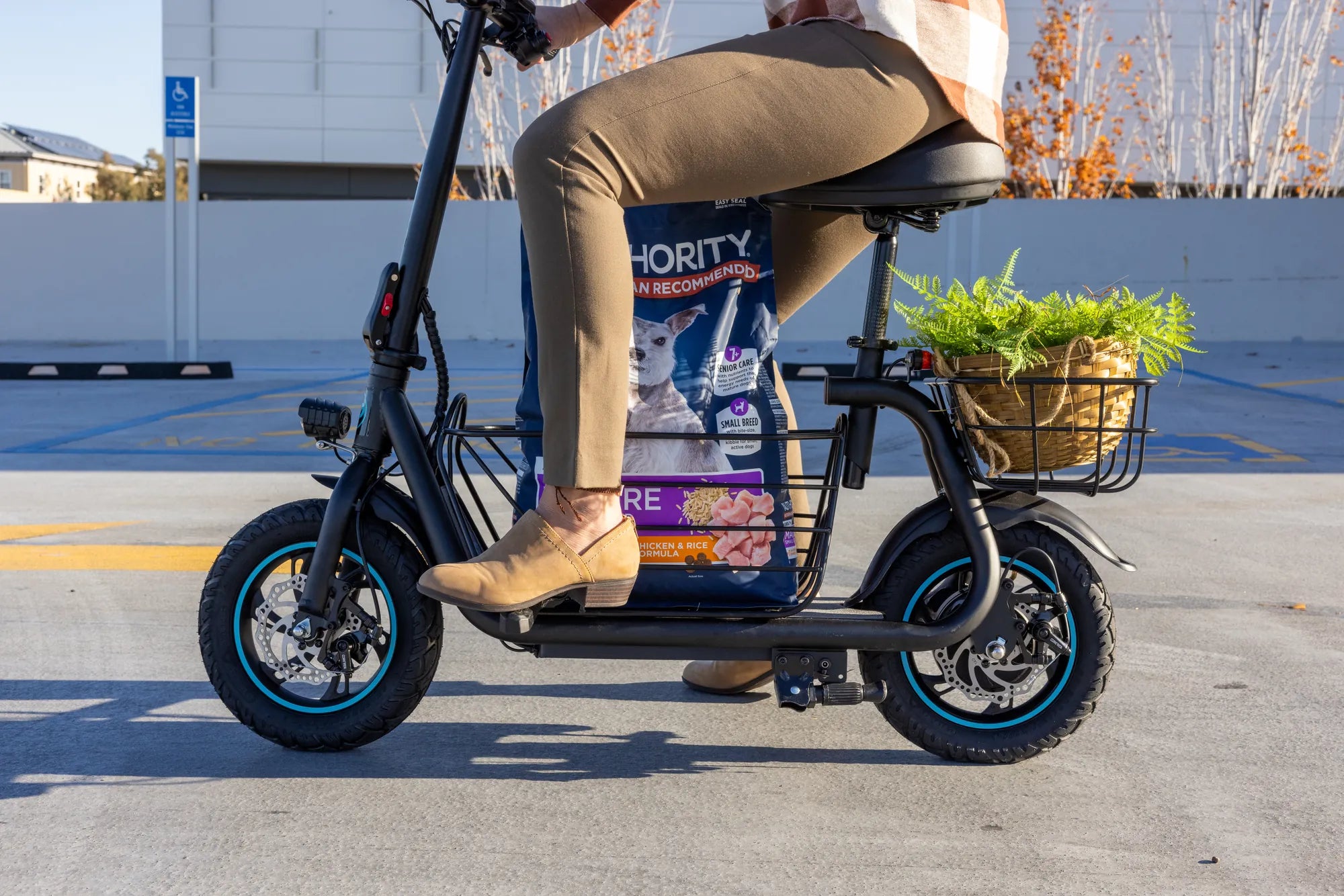
Introduction to 14-Inch Scooter Tires: Why Size Matters
The evolution of personal electric mobility has brought a critical component into sharp focus: the tire. Among the various sizes available, 14 scooter tires have emerged as a dominant standard for adult commuter and performance models. This size represents a calculated engineering sweet spot, balancing the nimble agility of smaller 10-inch wheels with the planted stability of larger 16-inch or bicycle-sized options. For riders seeking a confident, comfortable, and versatile experience, understanding this tire dimension is essential.
This guide provides a data-driven analysis of 14 scooter tires. We will dissect their core advantages, decode technical specifications, and offer practical selection criteria based on use case. Furthermore, we will outline proven installation and maintenance protocols to ensure longevity and safety. Whether you are purchasing a new scooter or maintaining an existing one, this knowledge empowers you to make informed decisions that directly impact your ride quality, range, and security on the road.
Leading brands like Gyroor have adopted this size across key models, recognizing its optimal performance characteristics for a wide rider demographic. Trusted by over 100,000 riders across North America and Europe, Gyroor integrates these tires into designs featuring UL-certified batteries and IPX5 water resistance, creating a reliable foundation where tire performance is a cornerstone of the overall experience.
The Core Advantages of 14-Inch Scooter Tires
The shift toward 14-inch diameters in the scooter market is not arbitrary. It is a response to rider demand for a more mature, capable, and comfortable vehicle. These tires deliver measurable benefits that address the limitations of smaller-wheeled scooters, particularly for daily commuting and extended recreational use.
Enhanced Stability and Control
The primary benefit of a 14-inch tire is a significant increase in stability. The larger diameter reduces the wheel's angular velocity for a given road speed, which diminishes gyroscopic precession—the physical phenomenon that causes speed wobbles. This results in a calmer, more predictable ride, especially at speeds above 15 mph. The increased contact patch, particularly with wider tire options, provides superior grip during cornering and braking, inspiring greater rider confidence.
This stability is crucial for safety. A scooter equipped with quality 14 scooter tires is less susceptible to being deflected by road seams, cracks, or debris. The rider spends less mental energy correcting the scooter's path and more on navigating traffic and surroundings. For adult riders, this stable platform is a non-negotiable feature for practical urban transportation.
Superior Ride Comfort and Obstacle Handling
Comfort is directly tied to wheel diameter. A 14-inch tire has a larger circumference, meaning it rolls over obstacles like pavement cracks, expansion joints, and small potholes with a shallower angle of attack. This reduces the impact force transferred to the scooter's frame and, consequently, to the rider. The tire itself also has more air volume (especially in wider profiles), which acts as a secondary suspension system, absorbing high-frequency vibrations from rough asphalt.
The result is a markedly less fatiguing ride. Commutes become more enjoyable, and longer recreational trips are feasible. This comfort advantage extends the scooter's usable range, as riders are not compelled to cut trips short due to discomfort from constant jarring. It transforms the scooter from a last-mile solution into a genuine primary commute vehicle for shorter distances.
Optimized Performance for Commuting & Light Off-Road
Versatility is the hallmark of the 14-inch size. These tires are the ideal compromise for the mixed-surface reality of modern riding. They excel on smooth pavement, offering low rolling resistance for efficient battery use and good range. Simultaneously, their size and available tread patterns provide enough capability to confidently traverse packed dirt paths, gravel, wet grass, or poorly maintained urban roads.
This makes a scooter with 14 scooter tires a true all-rounder. A rider can confidently plan a route that includes a shortcut through a park or navigate a construction zone without worrying about getting stuck or experiencing a jarring ride. Brands like Gyroor design their commuter and explorer models around this tire size precisely for this balanced performance profile, ensuring their vehicles meet the diverse needs of their customer base.
Critical Technical Specifications to Understand
Selecting the right tire requires understanding the language printed on its sidewall. These specifications are not just numbers; they are a blueprint for the tire's performance characteristics, compatibility, and safety limits.
Tire Dimensions: Decoding the Numbers (e.g., 14x2.125)
The standard notation for a scooter tire is diameter x width. For a tire marked 14x2.125, the first number (14) is the overall diameter in inches. The second number (2.125) is the approximate inflated width in inches. Width is a critical variable. A narrower tire (e.g., 2.0") typically offers lower rolling resistance and may feel more agile, while a wider tire (e.g., 2.5" or 3.0") provides a larger contact patch for better traction and shock absorption, enhancing comfort and stability.
It is imperative to match the width to your scooter's rim and fork clearance. Installing a tire that is too wide can rub against the brake caliper, suspension components, or fender, creating a serious safety hazard. Always consult your scooter's manual for the manufacturer's specified tire dimensions before purchasing replacements or upgrades.
Tubeless vs. Tubed Tires: A Practical Comparison
The internal construction of a tire is a major differentiator. Traditional tubed tires use a separate inner tube that holds the air, seated inside a tire carcass. Tubeless tires, increasingly common on higher-end scooters, have an airtight sealed rim and a tire with a reinforced bead that locks onto the rim, eliminating the need for a tube.
| Feature | Tubeless Tires | Tubed Tires |
|---|---|---|
| Puncture Resistance | High. Can use sealant to automatically plug small punctures. | Low. A puncture always results in a flat requiring repair/replacement of the tube. |
| Rolling Resistance | Generally lower, improving efficiency and range. | Slightly higher due to friction between tube and tire. |
| Ride Comfort | Can be run at slightly lower pressures for more cushion without pinch-flat risk. | Risk of pinch flats (snaking the tube) if pressure is too low. |
| Repair Complexity | More complex to install/repair initially; sealant can handle minor issues. | Simple roadside repair with a patch kit or tube replacement. |
| Weight & Cost | Often lighter (no tube) but can be more expensive. | Generally less expensive upfront. |
Tread Patterns: Urban Slick vs. All-Terrain
Tread design dictates grip characteristics. Urban slick or semi-slick tires have a mostly smooth surface with minimal siping (small grooves). This maximizes the rubber-to-road contact area on pavement, providing excellent grip for acceleration, braking, and cornering in dry and wet conditions, while minimizing rolling resistance. They are the optimal choice for pure city commuting on paved surfaces.
All-terrain or knobby tires feature aggressive, raised tread blocks. These patterns are designed to dig into loose surfaces like dirt, gravel, sand, and grass to find traction. The deep grooves also help eject mud and debris. The trade-off is increased noise, vibration, and rolling resistance on smooth pavement, which can slightly reduce battery range. The choice depends entirely on your primary riding environment.
Selecting the Right 14-Inch Tires for Your Ride
With an understanding of the specifications, you can now match tire characteristics to your specific riding needs and scooter model. This targeted selection ensures optimal performance, safety, and value.
Best for Urban Commuting: Prioritizing Durability & Puncture Resistance
For daily city use, durability and flat protection are paramount. Seek out 14 scooter tires constructed with reinforced casings, such as those featuring Kevlar belts or other high-density materials under the tread. These offer superior puncture resistance from glass, thorns, and metal debris. A harder rubber compound will wear slower on abrasive asphalt, though it may offer slightly less grip than a soft compound.
An urban-slick or lightly grooved tread pattern is ideal. Some models incorporate special wet-weather siping to channel water and maintain grip in the rain. Maintaining the correct tire pressure (at the higher end of the recommended PSI range) is also a key defense against pinch flats from potholes and curb strikes. This focus on resilience ensures your commute is reliable and interruption-free.
Best for Off-Road/Adventure: Maximizing Traction and Shock Absorption
If your rides frequently leave the pavement, prioritize traction and robustness. Choose a wider tire (e.g., 2.5" or 3.0") to increase the contact patch and air volume for better flotation on soft ground and improved bump absorption. A pronounced, knobby all-terrain tread pattern is necessary to maintain control on loose dirt, gravel, and wet grass.
Look for tires with strong, reinforced sidewalls to resist damage from rocks and roots. A slightly softer rubber compound can provide better grip on varied terrain, though it may wear faster on pavement. For these use cases, the versatility offered by a quality set of 14 scooter tires with an off-road bias unlocks a wider range of exploration while maintaining enough pavement manners to connect trails.
Compatibility Check: Ensuring a Perfect Fit for Your Gyroor Scooter
Never assume a 14-inch tire will fit your specific scooter model. Compatibility involves three key checks. First, verify the exact width specification from your scooter's manual or manufacturer. Second, confirm the valve stem type (typically Schrader, like a car tire, or less commonly Presta). Third, note whether your scooter uses a split rim (requiring tire removal) or a solid rim with a removable motor (simplifying changes).
Gyroor designs its scooters with clear compatibility guidelines. For instance, a model built for urban agility may specify a 14x2.125 tire, while a more adventure-oriented model might accommodate a 14x3.0 tire. Adhering to these specifications ensures proper brake clearance, fender alignment, and overall handling characteristics as engineered. It also maintains the validity of the manufacturer's warranty and integrated safety features like the IPX5 water-resistant rating.
Installation, Maintenance, and Safety Best Practices
Proper care extends tire life, preserves performance, and is a critical component of rider safety. A disciplined maintenance routine is simple but highly effective.
Step-by-Step Guide to Safe Tire Installation & Inflation
If replacing a tire yourself, ensure you have the correct tools: tire levers, a reliable pump with a pressure gauge, and possibly a bead breaker for stubborn tires. First, fully deflate the old tire. Use tire levers to carefully pry the bead over the rim, avoiding damage to the rim strip or tube. When installing the new tire, start by seating one side of the bead fully into the rim's center channel.
Insert the tube (if applicable) with the valve stem through the rim hole, ensuring it is not twisted. Work the second bead onto the rim, finishing at the valve stem area. Inflate slowly to the recommended PSI, listening for pops as the bead seats evenly around the rim. Never exceed the maximum pressure listed on the tire sidewall, as this can cause a dangerous blowout.
Routine Inspection and Wear Indicators
Conduct a visual and tactile inspection of your tires before every significant ride. Look for embedded debris like glass or nails. Run your hand over the tread to feel for cuts, gouges, or unusual bulges in the sidewall, which indicate internal damage and require immediate replacement. Check for cracks in the rubber due to age or UV exposure.
The most important check is tread depth. Most 14 scooter tires have built-in wear bars—small raised bridges in the tread grooves. When the tread surface becomes flush with these bars, the tire has reached the end of its safe life and must be replaced. Insufficient tread drastically reduces wet-weather grip and increases the risk of hydroplaning.
Extending Tire Life: Rotation and Pressure Management
Unlike cars, most electric scooters have a fixed rear motor wheel and a passive front wheel, making traditional rotation less common. However, if your scooter has identical, interchangeable wheels on both axles, rotating them can promote even wear. The most powerful practice for extending tire life is consistent pressure management.
Check tire pressure at least once a week with a quality gauge. Under-inflation causes excessive sidewall flex, leading to overheating, accelerated wear, and increased risk of pinch flats. It also raises rolling resistance, draining your battery faster. Over-inflation reduces the contact patch and shock absorption, making the ride harsh and decreasing traction. Maintaining the manufacturer-specified pressure is the single most effective maintenance task for your tires and your scooter's efficiency.
Frequently Asked Questions (FAQs)
1. Can I upgrade my scooter from 10-inch to 14-inch tires?
This is a major modification that is generally not recommended. It requires checking clearance for the fork, brake calipers, fenders, and kickstand. It will also alter the scooter's geometry, center of gravity, and potentially its electronic stability. Such a change should only be undertaken if the scooter manufacturer offers a specific upgrade kit designed to maintain the vehicle's engineered safety and performance parameters.
2. How often should I replace my 14-inch scooter tires?
There is no fixed timeline; replacement is based on wear, not time. Under typical urban commuting conditions, a quality tire may last between 1,000 and 2,000 miles. Aggressive riding, heavier loads, frequent off-road use, or poor maintenance will shorten this interval. Always use the visual wear bars as your primary replacement indicator, and replace tires immediately if you find any significant damage.
3. Are 14-inch tires slower or less efficient than smaller tires?
Not necessarily. While larger tires have slightly higher rotational inertia, they also maintain momentum better over bumps and often have lower rolling resistance on smooth surfaces. In real-world riding over imperfect pavement, the efficiency gains from improved momentum and comfort can offset any minor inertial losses. The overall impact on range is typically neutral to slightly positive when compared to smaller, less comfortable tires.
4. Do 14-inch tires perform better in wet weather?
Performance depends more on tread pattern and rubber compound than diameter alone. A 14-inch tire with a good wet-weather tread and siping will generally offer more stability and confidence than a smaller tire due to its larger contact patch and greater gyroscopic stability. However, all scooter tires have reduced grip on wet surfaces—reduce speed, avoid sharp turns, and brake gently and early.
5. Do Gyroor scooters with 14-inch tires require special maintenance?
The core tire maintenance principles—weekly pressure checks, regular inspection for wear and damage, and keeping tires clean—are universal. The advantage with Gyroor scooters is that their IPX5 water-resistant build quality allows you to ride in damp conditions with confidence, knowing the electrical systems are protected. This means you can focus on tire and road safety without undue worry about water damage to the scooter itself.
Conclusion: Rolling Forward with Confidence
14 scooter tires represent a significant advancement in personal electric vehicle design, delivering a balanced package of stability, comfort, and versatile performance that meets the demands of modern riders. By understanding the technical specifications—from dimensions and construction to tread patterns—you can select the perfect tire for your urban commute or weekend adventure. This knowledge transforms the tire from a simple consumable into a key performance modulator.
Pairing informed selection with diligent maintenance, especially consistent pressure management, will maximize your safety, extend your tire's service life, and protect your scooter's efficiency and range. When you choose a vehicle engineered around this optimal tire size, like those from Gyroor, you are investing in a riding experience built on a foundation of stability and reliability, backed by UL-certified battery safety and a robust 1-year warranty.
Ready to experience the ideal balance of agility and assurance? Explore the full range of high-performance electric scooters and e-bikes designed with optimal 14-inch tire systems and engineered for real-world reliability. Browse the full Gyroor collection at gyroorboard.com and find the ride that matches your journey.
Mobility Scooter Blue: A Guide to Style, Safety, and Performance
2 Wheel Drive Scooter: Ultimate Guide to Dual-Motor Power & Traction