



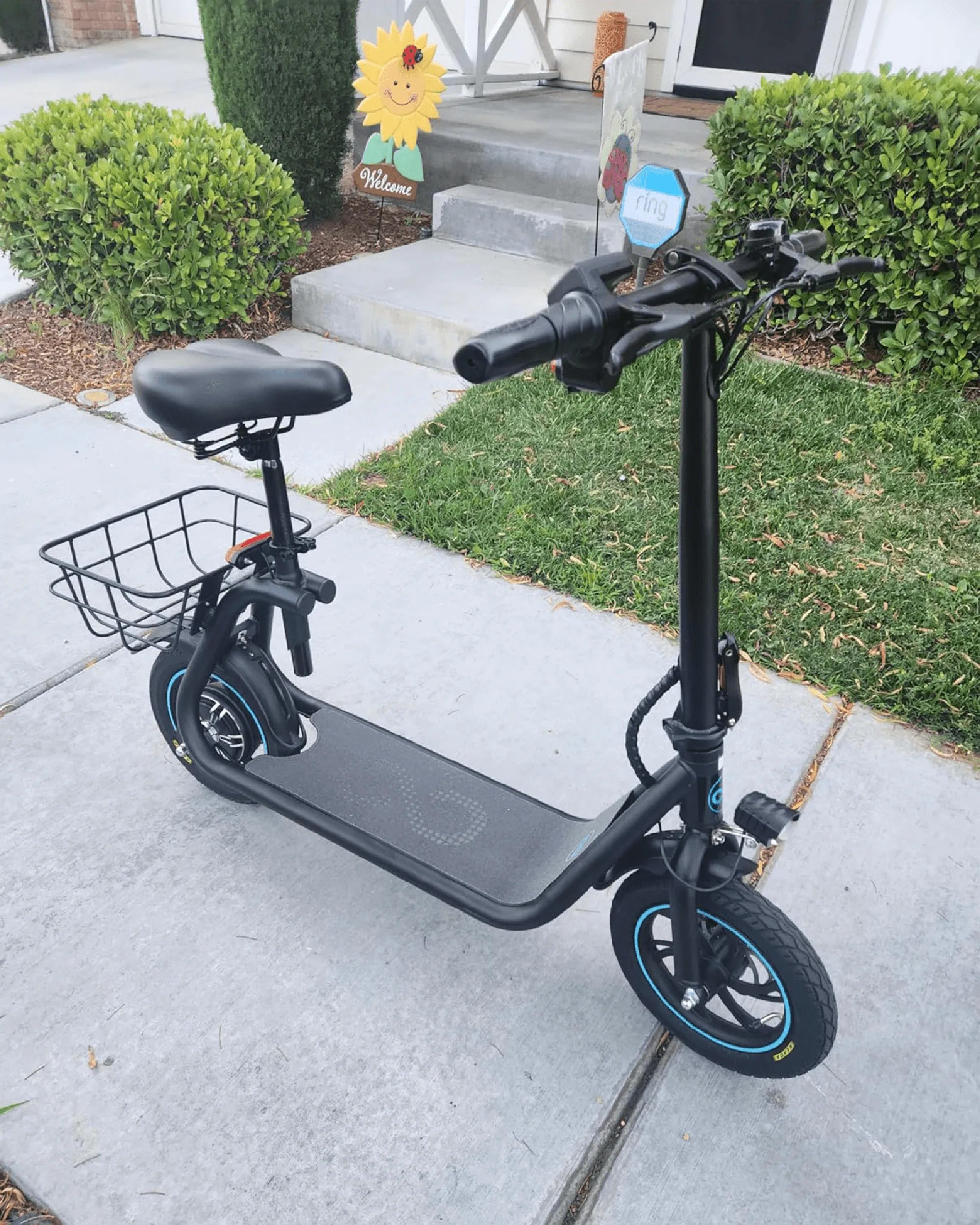
The 14x2.125 Scooter Tire - Your Essential Guide to Size, Performance, and Safety
Your scooter's tires are its only point of contact with the ground. They dictate safety, comfort, and efficiency. The 14x2.125 tire size is a common and critical specification for many electric scooters and e-bikes, serving as a fundamental component for urban mobility. This guide will teach you how to select, maintain, and optimize these tires for your specific riding needs.
Understanding your 14x2.125 scooter tires is key to maximizing your vehicle's potential. You will learn to decode the size markings, compare pneumatic and solid tire technologies, and match tread patterns to your terrain. We will also cover crucial safety checks and maintenance routines that every rider should follow.
The performance of a leading electric scooter brand like Gyroor relies heavily on such precise components. With a focus on data-driven facts, this article provides the knowledge to make informed decisions, whether you're replacing worn tires or upgrading for better performance.
Decoding the Numbers: What Does 14x2.125 Actually Mean?
The designation "14x2.125" is a precise measurement system. The first number, 14, refers to the tire's overall diameter in inches. This measurement is taken from the outer edge of the tire tread, through the center, to the opposite outer edge. A 14-inch diameter is a popular mid-size that balances agility and stability for adult riders.
The second number, 2.125, indicates the tire's nominal width, also in inches. This width is measured from sidewall to sidewall when the tire is properly mounted and inflated on its designated rim. The 2.125-inch width provides a substantial contact patch, which is crucial for grip and stability during cornering and braking.
Together, these dimensions create a specific profile. The 14-inch diameter influences ground clearance and how the scooter rolls over obstacles. A larger diameter rolls over bumps and cracks more smoothly than a smaller one, improving comfort. The 2.125-inch width directly affects traction and handling characteristics.
A wider tire, like the 14x2.125, generally offers more lateral stability and a larger contact area with the pavement. This can translate to better cornering confidence and shorter braking distances under ideal conditions. However, it may also create slightly more rolling resistance compared to a narrower tire.
Key Performance Factors for 14x2.125 Tires
Beyond simple size, several engineering factors determine how a 14x2.125 tire performs. The construction type, tread design, rubber compound, and load capacity all work in concert. Ignoring any of these factors can lead to a suboptimal or even unsafe riding experience.
Choosing the right 14x2.125 scooter tires requires evaluating your primary use case. A daily urban commuter has different needs than a weekend trail rider. Performance metrics like puncture resistance, shock absorption, and rolling efficiency must be prioritized based on your environment.
Manufacturers design tires with specific performance envelopes. A tire optimized for maximum battery range will feel and perform differently from one built for off-road traction. Understanding these trade-offs is essential for selecting the perfect 14x2.125 tires for your electric scooter.
Tire Construction: Pneumatic (Air-Filled) vs. Solid (Airless)
The fundamental divide in 14x2.125 scooter tires is between pneumatic and solid construction. Pneumatic tires, which use an inner tube or are tubeless, are filled with air. This air acts as a natural suspension system, absorbing vibrations and impacts from road imperfections.
The primary advantage of pneumatic 14x2.125 tires is ride comfort and superior traction. The air cushion allows the tire to conform to uneven surfaces, providing more grip. However, they require regular pressure checks and are susceptible to punctures from nails, glass, or sharp debris.
Solid or airless 14x2.125 tires are made from a single piece of dense rubber or polyurethane compound. Their main benefit is being completely puncture-proof, eliminating the worry of flats and the need for air pressure maintenance. This makes them appealing for low-maintenance urban use.
The trade-off for this convenience is a significantly firmer ride. Solid 14x2.125 tires transmit more road vibration to the scooter frame and rider. They can also offer slightly less grip on wet surfaces due to their inability to conform as easily, and they may increase rolling resistance, potentially reducing battery range.
Tread Pattern and Compound: Traction for Every Terrain
The tread pattern on your 14x2.125 tires is not just for show; it's a carefully designed system to channel water, mud, and maintain grip. Slick or nearly slick tires, with minimal tread, are designed for smooth, paved surfaces. They maximize the rubber's contact area for excellent dry traction and low rolling resistance.
Semi-slick 14x2.125 tires feature a smooth center strip for efficient rolling on pavement, with slight tread patterns on the shoulders. This design aids in wet-weather cornering. Knobby, aggressive tread patterns are for loose surfaces like dirt, gravel, or grass, where they dig in to find traction.
The rubber compound is equally important. A softer compound provides more grip, especially in cooler temperatures, but will wear out faster. A harder compound lasts longer and often reduces rolling resistance for better range, but may sacrifice ultimate stickiness, particularly when cold.
Load Rating and Inflation Pressure
Every 14x2.125 tire has a maximum load rating, expressed in pounds or kilograms. This is the maximum weight the tire can safely support. You must combine the weight of the rider, the scooter, and any cargo, ensuring the total is under the tire's rated capacity. Exceeding this stresses the tire and can lead to failure.
For pneumatic 14x2.125 tires, inflation pressure is a critical safety and performance parameter. The correct PSI (pounds per square inch) is typically molded on the tire's sidewall. Under-inflation causes excessive sidewall flex, leading to poor handling, rapid wear, and an increased risk of "pinch flats" where the tube is pinched against the rim.
Over-inflating your 14x2.125 scooter tires makes the ride harsh and reduces the tire's contact patch. This diminishes traction, especially on wet roads, and makes the tire more susceptible to damage from potholes. A simple digital pressure gauge should be used for weekly checks, as tires naturally lose air over time.
Choosing the Right 14x2.125 Tire for Your Ride
Selecting the ideal 14x2.125 tire is about aligning the tire's characteristics with your primary riding style and environment. There is no single "best" tire, only the best tire for your specific needs. Consider where you ride 90% of the time and what your top priorities are: comfort, durability, range, or off-road capability.
Investing in the correct 14x2.125 scooter tires is an upgrade you feel with every ride. It can transform a scooter's character, making it more confident in the rain, more comfortable on long commutes, or more capable on light trails. The following breakdown will help you match tire features to your profile.
For Urban Commuters (Priority: Durability & Puncture Resistance)
City riders face a unique set of challenges: potholes, curb cuts, broken glass, and wet manhole covers. For these riders, a durable 14x2.125 tire is paramount. Many opt for a quality solid tire to eliminate puncture anxiety entirely, accepting a firmer ride for total reliability.
If you prefer the comfort of pneumatic 14x2.125 tires, look for models labeled as "puncture-resistant" or "armored." These often have a layer of Kevlar or other strong material under the tread to stop sharp objects from penetrating. A semi-slick tread pattern is ideal for city pavement, offering a good balance of wet and dry grip.
Brands like Gyroor engineer their commuter-focused models with these realities in mind, often specifying robust tire combinations to ensure daily dependability. Regular inspection for embedded debris is a must for any urban rider using pneumatic 14x2.125 scooter tires.
For Off-Road & Trail Enthusiasts (Priority: Traction & Shock Absorption)
Riding on unpaved trails demands a specific set of features from your 14x2.125 tires. Here, pneumatic tires are almost always the superior choice. Their ability to absorb impacts from rocks and roots is irreplaceable, protecting both the scooter and the rider from excessive vibration.
The tread pattern should be aggressively knobby. Deep, widely spaced lugs on a 14x2.125 tire are designed to eject mud and dig into loose dirt, sand, or gravel. A softer rubber compound can also be beneficial for grip on variable surfaces, though it may wear quicker if you also ride on pavement to reach the trail.
Lowering the air pressure slightly within the recommended range can increase the contact patch and improve traction on soft ground. However, riders must be vigilant to avoid pinch flats from sharp rocks or roots when running lower PSI in their 14x2.125 scooter tires off-road.
For Performance & Range Seekers (Priority: Low Rolling Resistance)
If your goal is to squeeze every last mile from your battery or achieve the highest possible speed, tire efficiency is key. For these riders, the optimal 14x2.125 tire has a smooth, slick tread pattern and a harder rubber compound. This design minimizes the energy lost as the tire deforms during rolling.
Less rolling resistance means the motor works less hard to maintain speed, directly translating to extended range. These 14x2.125 scooter tires excel on well-maintained, smooth asphalt. However, the trade-off is less grip in wet conditions and on uneven surfaces, requiring a more cautious riding style.
Keeping pneumatic performance tires inflated to the higher end of their recommended PSI range further reduces rolling resistance. For riders who prioritize efficiency, the choice of 14x2.125 tires can have a more noticeable impact on range than almost any other single component upgrade.
Installation, Maintenance, and Safety Best Practices
Proper installation and maintenance of your 14x2.125 tires are non-negotiable for safety. Incorrect installation can lead to a tire coming off the rim during a ride, a catastrophic failure. If you are not mechanically confident, having a professional or experienced individual handle the installation is highly recommended.
The basic process involves safely lifting and securing the scooter, removing the wheel, deflating the tire (if pneumatic), and using tire levers to pry the old tire off the rim. Installing the new 14x2.125 tire requires care to not pinch the inner tube (if used) between the tire lever and the rim. The wheel must then be re-installed and aligned correctly.
Ongoing maintenance for 14x2.125 scooter tires is straightforward but essential. For pneumatic tires, check air pressure at least once a week with a reliable gauge. Visually inspect the tread and sidewalls for cuts, cracks, or abnormal wear before every ride. Remove any stones or debris lodged in the tread.
For all tires, monitor tread depth. Worn-out 14x2.125 tires have significantly reduced grip, especially in wet conditions. Most tires have wear indicators (small raised bars in the tread grooves); when the tread is flush with these bars, the tire needs replacement. Also, check for even wear across the tread; uneven wear can indicate alignment or inflation problems.
Comparison Table: Pneumatic vs. Solid 14x2.125 Tires
| Feature | Pneumatic (Air-Filled) 14x2.125 Tires | Solid (Airless) 14x2.125 Tires |
|---|---|---|
| Ride Comfort | Excellent. Air cushion absorbs road vibrations. | Fair to Poor. Transmits more road vibration. |
| Puncture Risk | Present. Can be mitigated with sealant or protective belts. | None. Completely puncture-proof. |
| Maintenance | Required. Regular pressure checks and occasional repairs. | Minimal. No air pressure to maintain. |
| Traction / Grip | Superior. Conforms to road surface for maximum contact. | Good on dry pavement, can be reduced on wet surfaces. |
| Rolling Resistance | Generally lower, promoting better battery range. | Can be higher, potentially reducing range slightly. |
| Ideal Use Case | Mixed-terrain, comfort-focused commuting, off-road. | Urban commuting on known routes where puncture risk is high. |
Frequently Asked Questions (FAQs) About 14x2.125 Tires
Can I use a 14x2.125 tire if my original was 14x2.0 or 14x2.5?
Width compatibility depends on your rim's width. A rim designed for a 2.0-inch tire can often accommodate a slightly wider 14x2.125 tire, but you must ensure there is adequate clearance between the tire and the scooter's fork, swingarm, and fender. Going from a 2.5-inch down to a 2.125-inch is usually fine from a rim perspective, but will change handling characteristics. Always check physical clearance first.
How often should I replace my 14x2.125 scooter tires?
There's no fixed mileage. Replacement is based on wear and condition. Inspect tread depth regularly; replace when wear indicators are flush. Also replace immediately if you see any cuts deep enough to expose the tire's casing (the fabric mesh inside), significant sidewall cracks, or bulges, which indicate internal damage. For frequent riders, an annual inspection is a good rule of thumb.
Are solid 14x2.125 tires really better than air-filled ones?
"Better" is context-dependent. Solid 14x2.125 tires are better for absolute puncture resistance and zero maintenance. Pneumatic tires are better for ride comfort, overall traction, and often efficiency. For a rider who primarily uses smooth bike paths and hates maintenance, solids may be preferable. For a rider covering longer distances on varied city streets, pneumatics likely offer a better overall experience.
Do Gyroor electric scooters use 14x2.125 tires?
Many Gyroor models utilize the 14x2.125 tire size due to its excellent balance of stability and agility. However, it is crucial to always check the specific owner's manual or product specifications for your exact model (e.g., Gyroor F1, S1, etc.), as tire sizes can vary between different scooter designs and product lines. Never assume the tire size; always verify.
What is the correct PSI for my pneumatic 14x2.125 tires?
The correct pressure is always listed on the tire's sidewall, usually in a range (e.g., 45-50 PSI). Use a reliable gauge to fill to the recommended pressure. Do not use the "feel" method. For most adult electric scooters with 14x2.125 tires, the pressure will typically be in the 40-55 PSI range, but the manufacturer's marking is the final authority.
Investing in the Right Contact Patch
Your 14x2.125 scooter tires are a vital investment in your ride's performance, safety, and enjoyment. They are the critical interface that translates your commands into motion, braking, and cornering. Choosing the right construction, tread, and compound for your environment is one of the most impactful decisions you can make as a rider.
Regular maintenance of your 14x2.125 tires is not a chore; it is a fundamental safety practice. A few minutes each week to check pressure and inspect for damage can prevent accidents and costly repairs down the line. Understanding the wear patterns on your tires can also alert you to potential issues with scooter alignment or suspension.
Whether you prioritize the cloud-like comfort of a well-inflated pneumatic tire or the steadfast reliability of a solid one, knowledge empowers you to choose wisely. The 14x2.125 tire size offers a versatile platform suitable for a wide array of electric scooters and riding styles, making it a cornerstone of the personal micro-mobility world.
Ready to explore electric scooters engineered with component-level precision? Browse the full Gyroor collection, featuring models with meticulously selected tires and UL-certified batteries, at gyroorboard.com. Discover the difference that thoughtful engineering and a commitment to rider safety can make on every journey.
Best Scooter for 5 Year Old Girl: The Ultimate Safety & Fun Guide
Mountain Bike 21 Speed: The Complete Guide to a Classic Drivetrain