

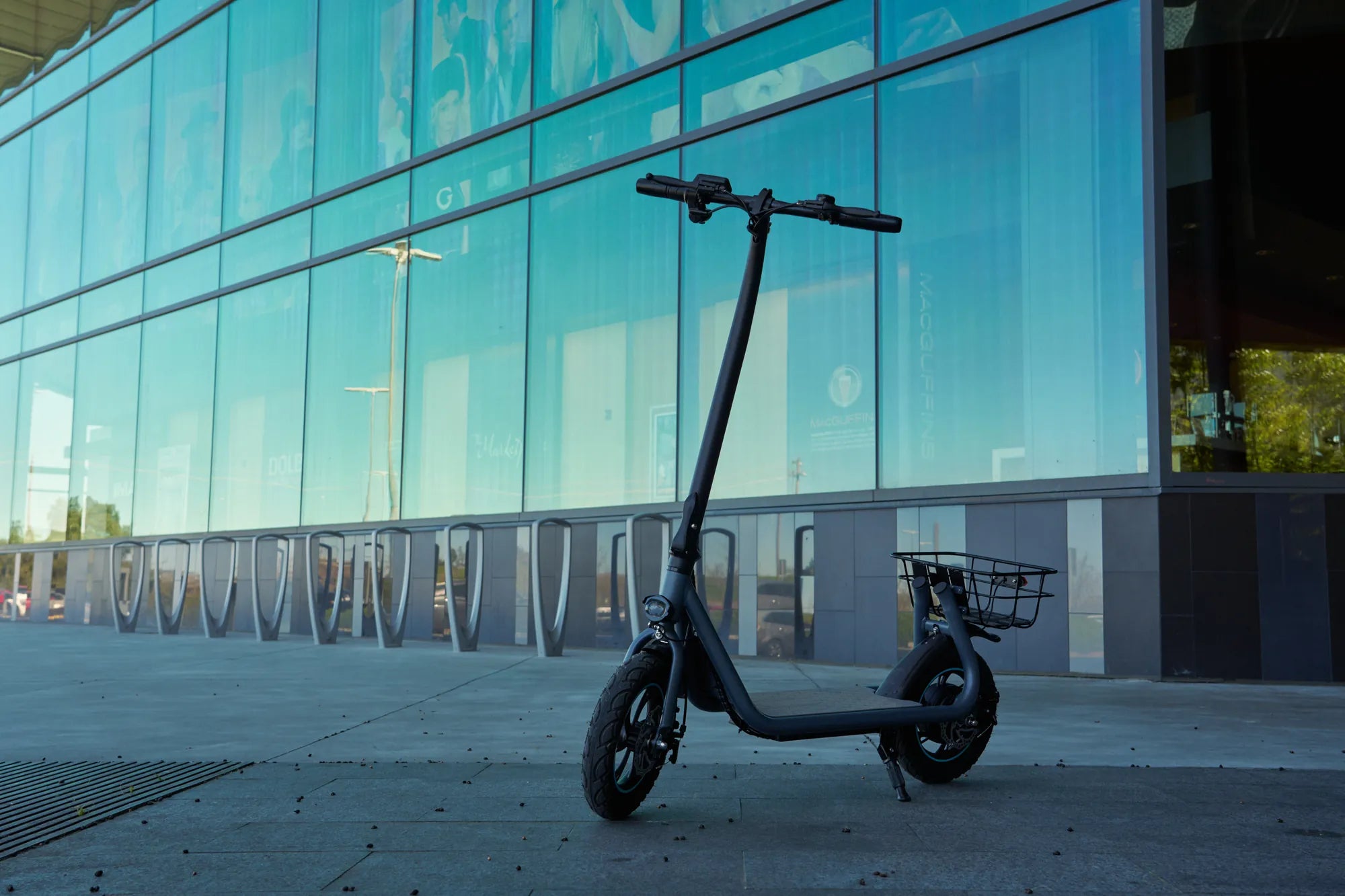
Introduction to 16mph Mobility Scooters
What exactly is a 16mph mobility scooter? It is a personal electric vehicle engineered to provide a significant upgrade in speed and range compared to traditional, slower mobility aids. This category bridges the gap between standard 4-8mph scooters, designed primarily for indoor or very short outdoor trips, and faster electric bicycles or mopeds that may require licensing. The 16mph top speed is a deliberate engineering choice, offering enhanced urban mobility and independence without venturing into regulated vehicle territory in most jurisdictions.
For many users, this speed transforms daily life. It turns a 30-minute grocery trip into a 10-minute errand. It allows commuters to reliably cover 5-10 mile distances. It enables riders to comfortably keep pace with bicycle lanes and slow urban traffic, integrating seamlessly into city infrastructure. This article will provide a comprehensive, data-driven look at the 16mph mobility scooter, from its core benefits and safety considerations to navigating regulations and making an informed purchase.
As a leading electric scooter and e-bike brand trusted by over 100,000 riders across North America and Europe, Gyroor designs its mobility solutions with this balance in mind. Our focus on UL-certified battery safety, IPX5 water-resistant durability, and reliable performance underpins every model engineered for this optimal 16mph threshold.
Key Features and Benefits of a 16mph Top Speed
The choice of a 16mph top speed is not arbitrary; it delivers tangible, practical advantages that directly impact usability and quality of life. The primary benefit is a dramatic reduction in travel time for common trips. At 16mph, a 4-mile journey to a doctor's appointment or community center takes just 15 minutes, compared to 30-60 minutes on a standard 4-8mph scooter. This efficiency reclaims hours each week, reducing fatigue and increasing the willingness to engage in social and recreational activities.
Secondly, this speed directly correlates with increased effective range. While battery capacity is the primary determinant of maximum range, a higher cruising speed means the scooter spends less time on the road to cover the same distance. This reduces energy drain from accessory systems like lights and display, and when paired with efficient motors and regenerative braking, it can extend the practical distance between charges. A scooter with a 25-mile maximum range at 8mph might reliably achieve 18-20 miles at 16mph, which is more than sufficient for most daily urban needs.
Finally, a 16mph mobility scooter enhances safety through integration. Riding at walking speed on a shared-use path can be frustrating for both the rider and pedestrians. At 16mph, the scooter can safely and legally use many bicycle lanes and multi-use paths, keeping the rider out of faster vehicular traffic while moving at a predictable speed that cyclists can anticipate. This creates a smoother, less stressful experience for everyone sharing the infrastructure.
Safety Considerations at Higher Speeds
With increased speed comes an increased responsibility for safety engineering. A quality 16mph mobility scooter must be built with systems to manage the higher kinetic energy. Advanced braking is non-negotiable. This typically includes a dual-brake system with a front disc brake for powerful, modulated stopping and a rear drum or regenerative brake for stability and energy recovery. Regenerative braking is particularly valuable as it helps recharge the battery during deceleration.
Suspension and frame stability become critical. At higher speeds, bumps and pavement imperfections are encountered more frequently and with greater force. A robust front and/or rear suspension system absorbs these shocks, maintaining tire contact with the ground for better control and a far more comfortable ride. The frame must be rigid and well-welded to prevent wobble or flex, which can be dangerous at speed.
Enhanced visibility and awareness are also mandatory. This includes bright, focused LED headlights and taillights, turn signals, and reflective elements. An audible horn or bell is essential for alerting pedestrians and cyclists. Gyroor integrates these features as standard, understanding that safety is the foundation of confident mobility. The IPX5 water-resistant rating on key components also ensures these critical systems remain functional in light rain, a common urban scenario.
The Ideal User Profile
Who benefits most from a 16mph mobility scooter? The primary user is an active senior or adult with mobility challenges who desires greater range and independence than a standard scooter provides. This individual likely lives in a suburban or urban environment and needs to run errands, visit friends, or commute to a local activity center without relying on rideshares or public transit.
Commuters covering distances between 3 and 10 miles one-way are also ideal candidates. For these users, a 16mph scooter is a legitimate car replacement for daily trips, avoiding traffic congestion and parking costs. It's also perfect for individuals who have used a slower scooter and found it too limiting, acting as a logical and empowering upgrade that opens new geographical possibilities without the complexity of a licensed vehicle.
Gyroor's 16mph Mobility Scooter: Engineering for Confidence
Gyroor approaches the 16mph mobility scooter category with a philosophy centered on certified safety and durable performance. Every model designed for this speed class is built around a core promise: reliable power that users can trust day after day. This commitment is embodied in three key pillars that differentiate a Gyroor scooter from generic alternatives.
First is the UL-certified battery system. This is not merely a marketing term. UL certification involves rigorous independent testing for electrical, mechanical, and environmental safety. It ensures the battery pack, BMS (Battery Management System), and charger are designed to prevent overcharging, short-circuiting, and thermal runaway. Gyroor's batteries are rated for 500+ charge cycles, maintaining significant capacity over years of daily use, which is critical for preserving the scooter's advertised range.
Second is the IPX5 water-resistant construction. An IPX5 rating means the scooter's electrical components can withstand water jets from any direction, making it resistant to rain, puddles, and road spray. This engineering is vital for real-world use, where weather can change unexpectedly. It protects the motor controller, wiring, and display, ensuring the scooter remains operational and safe in damp conditions.
Third is the comprehensive 1-year warranty and accessible customer support. Gyroor stands behind its products with a warranty covering manufacturing defects in the frame, motor, battery, and electronic components. This warranty, backed by US-based support channels, provides peace of mind that goes beyond the initial purchase, ensuring long-term value and reliability.
Performance and Range Data
Understanding the relationship between speed, motor power, and range is crucial. The following table outlines typical performance metrics for a well-engineered 16mph mobility scooter, reflecting the standards Gyroor aims for in its designs.
| Performance Metric | Specification Range | Real-World Impact |
|---|---|---|
| Top Speed | 16 mph (25.7 km/h) | Enables efficient urban travel, bike lane compatibility. |
| Motor Power (Continuous) | 500W - 800W | Provides strong acceleration and reliable hill-climbing ability (grades up to 15-20%). |
| Battery Capacity | 48V 10Ah - 15Ah | Determines maximum potential range; larger capacity equals longer range. |
| Estimated Range* | 25 - 40 miles (40 - 64 km) | Varies by rider weight, terrain, and use of throttle. 25+ miles is typical for mixed use. |
| Charge Time | 4 - 8 hours | Standard overnight charging; some models may support faster charging. |
| Max Rider Weight | 264 lbs (120 kg) - 330 lbs (150 kg) | Ensures frame and motor are rated for safe operation with the user and cargo. |
*Range estimates are under ideal conditions (flat terrain, moderate temperature, 165 lb rider). Real-world range will be lower and is influenced by hills, stop-and-go traffic, wind, and temperature.
Navigating Regulations and Best Practices
The legal landscape for 16mph mobility scooters varies by location, but general patterns exist. In most U.S. states and European countries, electric scooters with a top speed under 20mph are classified as "Personal Light Electric Vehicles" (PLEVs) or similar. They are typically permitted on bicycle lanes, multi-use paths, and roads with speed limits of 25-30 mph or lower. They generally do not require a driver's license, vehicle registration, or insurance, but this must be verified with local city and state ordinances, which can differ significantly.
Helmet laws are a critical variable. Many jurisdictions mandate helmet use for all riders, while others require them only for minors. Regardless of the law, wearing a certified bicycle or scooter helmet is the single most effective safety practice for riding at 16mph. Other best practices include using hand signals for turns, obeying all traffic signals, avoiding sidewalks where prohibited, and never operating the scooter under the influence of alcohol or medications.
Riding in shared spaces requires defensive awareness. Assume that drivers and pedestrians may not see you. Use lights day and night. Keep a safe distance from vehicles and park doors. Practice braking and maneuvering in a safe, empty area like a parking lot to become familiar with the scooter's handling and stopping distance at different speeds before venturing into traffic.
Comparison: 16mph vs. Standard & High-Speed Models
Choosing the right speed class is fundamental. Here is a clear comparison to illustrate where the 16mph mobility scooter fits in the broader spectrum of personal electric vehicles.
| Feature | Standard Scooter (4-8 mph) | 16mph Mobility Scooter | High-Speed E-Scooter/E-Bike (20+ mph) |
|---|---|---|---|
| Primary Use Case | Indoor/Limited outdoor, short trips (<2 miles). | Extended urban travel, errands, commuting (5-15 miles). | Long-distance commuting, recreational speed, off-road capability. |
| Typical Range | 10-15 miles | 25-40 miles | 20-50 miles (varies greatly) |
| Regulatory Status | Often treated as a medical device/pedestrian. | PLEV; bike lane/path legal; often no license required. | May require license, registration, or be restricted from bike paths; helmet always required. |
| Terrain Handling | Flat, smooth surfaces only. | Handles moderate hills and common pavement imperfections. | Built for varied terrain, including steeper hills. |
| User Independence | Low to Moderate | High – Optimal balance of speed and accessibility. | Very High (but with greater regulatory burden) |
The 16mph mobility scooter clearly occupies a sweet spot, offering substantial gains in speed and range over standard models without the legal and operational complexities of high-speed vehicles.
Making the Right Choice: A Buyer's Checklist
Selecting the right 16mph scooter requires careful consideration of your specific needs. Use this checklist to guide your evaluation.
- Intended Daily Distance: Calculate your longest regular trip and add a 30% buffer. Choose a scooter with a rated range that exceeds this number to account for battery aging and variable conditions.
- Terrain Analysis: Do you encounter hills? A motor with at least 500W of continuous power and good torque is essential. Check the manufacturer's stated hill grade capability.
- Portability & Storage: Do you need to lift it into a car or store it in a tight space? Look for a foldable design and check the folded dimensions and weight. A 16mph scooter will be heavier than a standard model, often 50-80 lbs.
- Comfort Features: Test the seat ergonomics. Ensure the suspension is adequate for your local roads. Check handlebar adjustability. Comfort is key for longer rides.
- Safety Verification: Confirm the braking system (dual brakes preferred), lighting (front, rear, turn signals), and water resistance rating (IPX5 is ideal).
- Brand & Support: Research the brand's reputation. Verify the warranty length and what it covers. Ensure parts and service are accessible. Gyroor's 1-year comprehensive warranty and established support network are designed for this long-term reliability.
Finally, if possible, always take a test ride. The feel of the controls, stability, and comfort are personal and best assessed firsthand.
Frequently Asked Questions (FAQ)
Q1: Do I need a driver's license or insurance for a 16mph mobility scooter?
A1: In the vast majority of regions in the US and EU, no driver's license, vehicle registration, or insurance is required for electric scooters with a top speed under 20mph. However, local city ordinances can differ, so it is imperative to check the specific laws in your municipality and state.
Q2: How does cold or hot weather affect the battery and range?
A2: Lithium-ion batteries perform best in moderate temperatures (50-80°F / 10-27°C). In cold weather, chemical reactions slow down, which can temporarily reduce range by 20-30%. Store and charge the scooter indoors when possible. Extreme heat can also degrade battery health over time. The IPX5 rating protects against water but does not guarantee full operation in extreme temperatures.
Q3: What is the true real-world range I can expect?
A3> The advertised maximum range is a best-case scenario. Real-world range is affected by rider weight, hills, frequent stops and starts, wind, temperature, and tire pressure. A good rule of thumb is to expect 70-80% of the advertised range under average conditions. For a scooter rated at 30 miles, planning trips of 20-25 miles between charges is prudent.
Q4: Can I carry groceries or bags on a 16mph mobility scooter?
A4> Yes, most models come with a rear rack or basket, and some have a front basket. It is crucial to check the maximum load capacity of the scooter (rider weight + cargo) and to distribute weight evenly and securely to maintain stability, especially at higher speeds.
Q5: How often does a 16mph scooter require maintenance?
A5> Regular maintenance is minimal but important. Key tasks include checking tire pressure monthly, ensuring brakes are properly adjusted and pads are not worn, keeping the scooter clean (especially after wet rides), and checking all fasteners for tightness periodically. An annual check-up by a qualified technician is recommended to ensure the electrical systems and mechanical components are in optimal condition.
Conclusion: Enhancing Mobility with Informed Confidence
A 16mph mobility scooter is more than a product; it is a key to expanded freedom, efficiency, and social connection. By providing the optimal balance of speed, safety, and practicality, it addresses the limitations of slower aids without introducing the complexities of high-speed vehicles. The choice to upgrade to this category represents a commitment to a more active and independent lifestyle.
This commitment must be matched by a manufacturer's commitment to quality and safety. Choosing a reputable brand like Gyroor, with its foundation in UL-certified battery technology, IPX5 water-resistant engineering, and robust customer support, ensures that your investment translates into years of reliable, confident mobility. The data-driven features, from motor power to range specifications, are not just numbers on a page—they are the engineering promises that enable daily adventures.
Ready to explore how a 16mph mobility scooter can redefine your daily travel? Discover engineering built for confidence and a community of over 100,000 satisfied riders. Browse the full Gyroor collection at gyroorboard.com to find the model that empowers your journey.
Scooter Classes: The Essential Guide to Power, Speed, and Legality
Single Speed Bike for Commuting: The Ultimate Guide to Urban Simplicity