

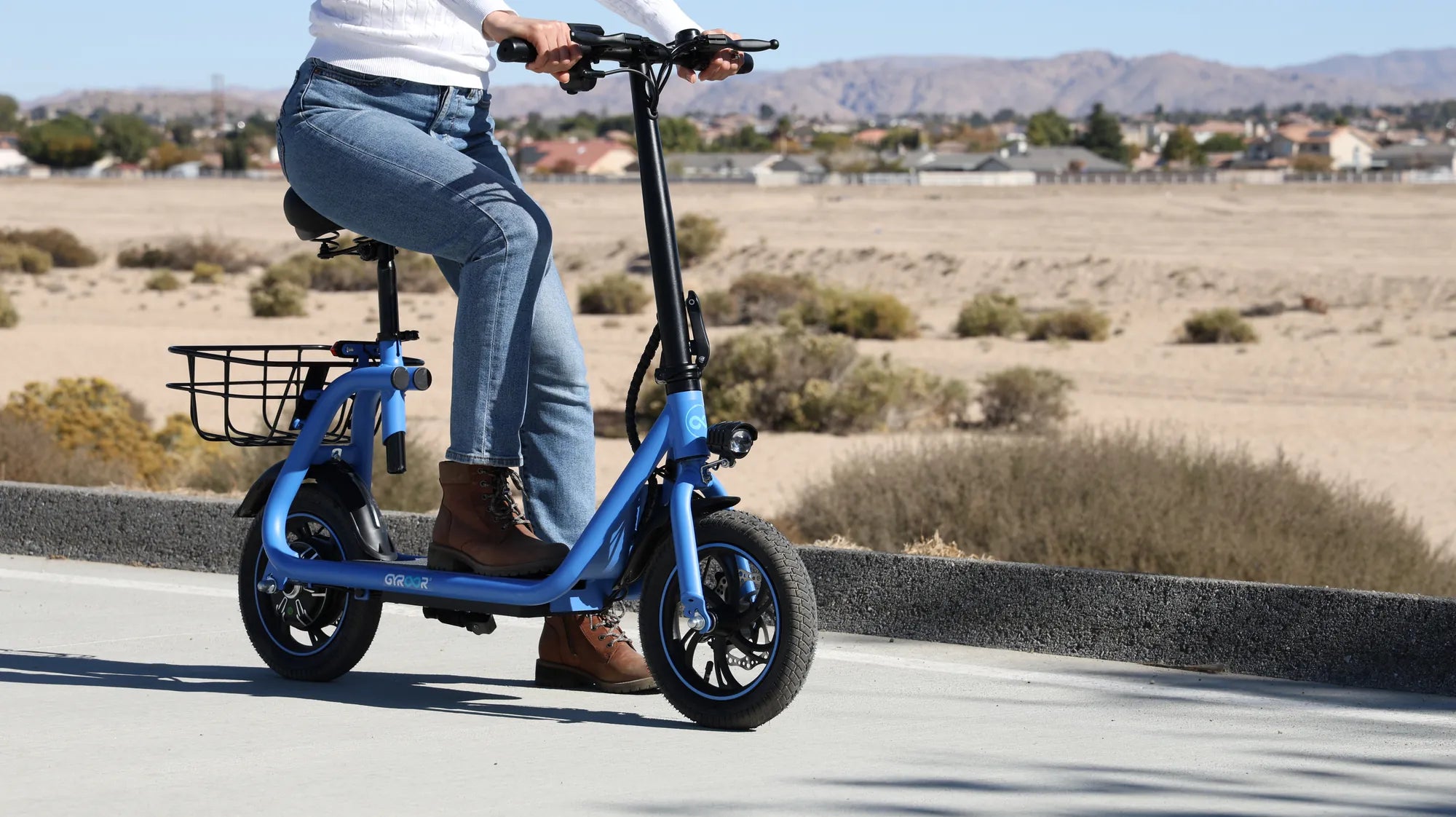
Introduction: The Rise of Shared Electric Mobility
The landscape of urban and suburban travel is shifting. For errands, daily commutes, or weekend adventures, more adults are seeking efficient, eco-friendly alternatives to single-occupancy cars. 2 person electric scooters for adults have emerged as a compelling solution for couples, friends, or parent-child duos. These vehicles transform shared trips into a seamless blend of utility, economy, and fun.
This guide provides a comprehensive, data-driven look at tandem electric scooters. You will learn the critical specifications for safe operation, understand the realistic benefits and challenges, and discover how leading brands engineer products for this specific use case. We will reference engineering principles and real-world performance data to inform your decision.
As a leader in personal electric mobility, Gyroor designs scooters with the demands of shared riding in mind. Trusted by over 100,000 riders across North America and Europe, the brand's focus on UL-certified safety and robust construction makes it a key point of reference in the tandem scooter conversation.
What to Look for in a 2-Person Electric Scooter: 5 Critical Specs
Selecting a scooter built for two riders requires moving beyond basic specs. The added weight and dynamic balance demands necessitate a focus on performance and durability. These five factors are non-negotiable for a safe, comfortable, and reliable shared riding experience.
Compromising on any of these areas can lead to premature wear, safety hazards, or a frustratingly underpowered ride. The following sections break down each specification in practical terms, explaining why they matter more for tandem use than for solo riding.
1. Motor Power & Hill Climb Ability
Motor power is the most crucial spec for a tandem scooter. A solo scooter may manage with 350W, but two adults require significantly more torque. A minimum of 500W is essential, with 600W to 1000W dual-motor configurations being ideal for maintaining speed and stability.
Dual-motor systems, where both the front and rear wheels are driven, provide superior traction and hill-climbing capability. With two riders, a scooter's effective weight can exceed 400 lbs. A powerful motor ensures the scooter can handle this load on a 10-15% grade without stalling or slowing to a crawl.
Gyroor's high-performance models, for instance, utilize powerful motor configurations specifically engineered to deliver consistent torque under heavy loads. This ensures that acceleration remains predictable and controlled, a key safety factor when carrying a passenger.
2. Deck Size, Weight Capacity & Foot Placement
The deck is your shared platform, and its dimensions directly impact comfort and control. Look for a deck that is both long (over 20 inches) and wide (over 8 inches). This provides ample space for two riders to stand without excessive crowding.
The stated weight capacity is a legal and engineering limit. For two adults, a capacity of 400 lbs or more is mandatory. Always calculate your combined weight with any bags or gear to ensure you remain 10-15% under this limit for optimal performance and longevity.
Proper foot placement is key. The front rider should stand centered near the stem, controlling the handlebars. The rear rider should stand directly behind, with feet positioned sideways for stability. A textured, anti-slip deck surface is critical for both riders to maintain secure footing.
3. Battery Range & Real-World Expectations
Advertised range is almost always based on a single, lightweight rider under ideal conditions. With two riders, energy consumption increases dramatically. A realistic expectation is to achieve 50-60% of the manufacturer's stated solo range.
Therefore, battery capacity is paramount. Seek scooters with high-capacity batteries (e.g., 10.4Ah or higher). A scooter advertised for 40 miles of solo range might deliver 20-24 miles with two riders, which is sufficient for most shared commutes or errands.
Battery quality is equally important. Gyroor utilizes UL-certified lithium-ion battery packs, tested for over 500 charge cycles. This certification ensures the battery management system can safely handle the increased thermal and electrical load of powering a dual-rider scooter, preventing overheating and maintaining reliability.
4. Braking System & Safety Features
Stopping twice the mass requires twice the braking force. A single braking system is insufficient and dangerous. A combination of dual mechanical brakes (disc or drum) and an electronic regenerative brake is the gold standard for tandem scooters.
Dual disc brakes offer the most consistent and powerful stopping performance in various weather conditions. The regenerative brake helps slow the scooter while recapturing some energy, but it should not be relied upon as the primary stopping method.
Additional safety features become vital. Bright front and rear LED lights, side reflectors, and an audible bell or horn are essential for visibility and communication. A robust frame construction, backed by a comprehensive warranty like Gyroor's 1-year coverage, is a testament to the scooter's ability to handle sustained stress.
5. Suspension & Tire Type for Comfort
Comfort is a shared experience. Without proper suspension, bumps and cracks are transmitted directly to both riders, compromising control and enjoyment. A dual suspension system (front and rear) is highly recommended for tandem riding.
Tire choice is critical. Pneumatic (air-filled) tires provide the best shock absorption and traction, especially on uneven surfaces. While they require occasional pressure checks, they offer a far smoother ride than solid rubber tires, which can make a tandem ride jarring and unstable.
The combination of pneumatic tires and a suspension system allows the scooter to maintain better contact with the road, improving braking and handling safety when carrying extra weight. It makes the shared journey comfortable enough for longer rides.
The Benefits and Challenges of Tandem E-Scooting
Adopting a 2-person electric scooter requires a balanced perspective. Understanding both the advantages and the inherent limitations will ensure it matches your lifestyle and expectations. This data-driven analysis helps you make an informed choice.
Key Advantages: Cost, Convenience & Carbon Footprint
The per-person cost efficiency is significant. One vehicle, one charge, and one maintenance schedule serve two people. Compared to owning two separate scooters or using a car for short trips, the savings on fuel, parking, and upfront costs are substantial.
Convenience is a major factor. Navigating traffic, finding parking, and moving through crowded urban spaces is simpler on a scooter than in a car. For a duo traveling to the same destination—be it a train station, campus, or downtown area—it streamlines the journey into a single, efficient trip.
Environmentally, the shared benefit is clear. Replacing car trips for two people with a zero-direct-emission electric scooter dramatically reduces your collective carbon footprint. It's a practical step towards sustainable shared mobility for everyday travel.
Practical Considerations & Limitations
Maneuverability and agility are reduced. A loaded scooter has a wider turning radius and slower acceleration. Riders must anticipate movements earlier and avoid sharp, low-speed turns that could destabilize the unit.
Coordinated riding is essential. Both riders must communicate and lean into turns together. The passenger must avoid sudden weight shifts. It requires a brief learning period to develop synchrony, unlike the instinctive control of a solo ride.
Legal restrictions exist. Many local jurisdictions explicitly prohibit riding with a passenger on e-scooters designed for one person. It is imperative to verify that your chosen model is marketed and legally rated as a two-person vehicle and to check your local traffic laws before riding tandem.
Safety gear is non-negotiable for both individuals. Two helmets are mandatory. The increased momentum and stopping distance make protective gear even more critical than when riding alone.
Gyroor’s Engineering for Shared Rides: Built for Two
Not all scooters labeled for two riders are created equal. Engineering philosophy and component quality separate durable products from those that will falter under load. Gyroor's design principles directly address the core demands of tandem operation.
The brand's approach focuses on over-engineering key systems for a margin of safety. This means specifications are not merely meeting a minimum but are built to handle peak loads consistently. This results in a scooter that feels stable and confident, not strained, with two adults on board.
The following sections detail how specific Gyroor features translate into real-world benefits for shared riding, providing a benchmark for what to look for in any tandem scooter brand.
UL-Certified Battery: Safety and Reliability Under Load
The battery is the heart of the scooter, and under tandem use, it works harder. Gyroor's commitment to using UL-certified battery packs is a critical differentiator. UL certification involves rigorous testing for electrical, mechanical, and environmental safety.
This means the battery's management system is designed to prevent overcharging, short-circuiting, and thermal runaway—even under the high current draw required to propel two riders up an incline. For consumers, this certification offers verified peace of mind regarding one of the most important safety components.
This reliability ensures consistent performance. Riders won't experience sudden voltage drops or power cuts, which could be hazardous when sharing the road with other vehicles. The battery's longevity is also protected, safeguarding your investment.
IPX5 Water-Resistant Design: Confidence in All Conditions
Shared scooters are often used for practical commuting, which means occasionally facing unexpected weather. An IPX5 water-resistant rating indicates the scooter's critical components are protected against water jets from any direction.
This level of ingress protection means riding through puddles or getting caught in a light rain shower won't immediately damage the scooter's electronics or motor. For a tandem commuter scooter, this durability is essential, as walking home with a broken scooter is a much bigger inconvenience for two people.
It allows for greater versatility and reduces anxiety about weather changes. The scooter remains a dependable tool for shared travel, not a fair-weather toy, enhancing its overall utility and value.
Warranty & Support: Riding with Peace of Mind
A strong warranty is a manufacturer's vote of confidence in its product. Gyroor's comprehensive 1-year warranty covers the frame, motor, battery, and electronic components. For a vehicle subjected to the stresses of tandem riding, this coverage is invaluable.
It signals that the scooter is built from quality materials designed to last. When a brand stands behind its product for shared use, it indicates rigorous internal testing and quality control. Access to responsive, US-based customer support further resolves any issues promptly.
This combination of warranty and support means your investment is protected. You can focus on the enjoyment of shared rides, knowing the mechanics are backed by a company that trusts its engineering for the specific use case of two riders.
Tandem Riding Etiquette and Safety Checklist
Safe tandem riding extends beyond the scooter's specs. It involves preparation, communication, and courteous road use. Adhering to these protocols ensures a safe experience for you, your passenger, and others sharing the path.
This checklist provides actionable steps for before, during, and after your ride. Treating a tandem e-scooter with the same seriousness as a motorcycle or bicycle for two will maximize safety and enjoyment.
Pre-Ride Check: Tire Pressure, Brakes, and Lights
Always perform a quick inspection before both riders mount. Check that pneumatic tires are inflated to the manufacturer's recommended PSI (found on the tire sidewall). Soft tires increase rolling resistance and affect handling.
Squeeze the brake levers to ensure they engage firmly and smoothly without touching the handlebar grips. Test the electronic brake by gently using the throttle and then engaging the regen brake. Verify that all lights—front, rear, and deck—are functioning.
This 60-second routine is crucial. It identifies potential issues while the scooter is stationary, preventing surprises on the road where the consequences are magnified by the presence of a passenger.
On the Road: Communication, Positioning, and Path Sharing
Clear communication is key. The front rider should verbally signal intentions like "slowing," "stopping," or "turning left" well in advance. The passenger should keep movements minimal and hold onto the front rider's waist or the provided passenger handles if available.
Maintain a predictable, centered position in bike lanes or on the right side of the road. Never weave between obstacles. Your combined profile is larger, so allow more space when passing parked cars or pedestrians.
Yield right-of-way liberally. Your acceleration and braking are different from a bicycle's. Dismount and walk the scooter on crowded sidewalks; in many areas, sidewalk riding with any e-scooter is illegal. Your goal is to be predictable and respectful to all other path users.
Comparison Table: Key Features for Tandem Scooters
This table compares the essential features across general scooter categories, highlighting what matters for tandem riding. Use it as a quick reference when evaluating different models.
| Feature | Solo Commuter Scooter | Entry-Level Tandem Scooter | Performance Tandem Scooter (e.g., Gyroor) |
|---|---|---|---|
| Motor Power | 250W - 350W | 500W Single Motor | 600W - 1000W Dual Motor |
| Weight Capacity | 220 - 265 lbs | 300 - 350 lbs | 400 - 500+ lbs |
| Deck Size | Standard (18"x6") | Extended Length | Long & Wide (20"x8"+) |
| Braking System | Electronic or Rear Fender | Single Disc + Electronic | Dual Disc + Electronic |
| Suspension | Often None or Front Only | Basic Front Suspension | Dual Suspension System |
| Battery Certification | Varies | May Lack Certification | UL-Certified Pack |
| Ideal Use Case | Single Rider, Flat Terrain | Two Light Riders, Short Trips | Two Adults, Commuting, Hills |
FAQ: Your Questions on 2-Person Scooters, Answered
Q1: Is it legal to ride an electric scooter with two people?
A1: Legality depends entirely on local ordinances. Many cities prohibit passengers on e-scooters. However, some manufacturers produce models explicitly designed and rated for two riders. You must check your city's specific vehicle codes. Riding tandem on a scooter not designed for it is illegal and unsafe in almost all jurisdictions.
Q2: How much slower will we go with two riders?
A2: Top speed may decrease by 15-25%, but acceleration and hill-climbing ability are more significantly affected. A scooter that hits 25 mph solo might reach 18-20 mph with two average adults. The key is maintaining enough torque for safe merging and hill navigation, which is why motor power is so critical.
Q3: Can my teenager ride on the back with me?
A3> Only if the scooter is explicitly rated for two riders and the combined weight is under the maximum capacity. Ensure your teen wears a properly fitted helmet and understands they must be a passive passenger, following your movements without leaning independently. Practice in a safe, empty area first.
Q4: How do we both balance on one scooter?
A4> Balance is a shared effort. The front rider controls steering and primary balance, as on a bicycle. The rear rider should stand with feet parallel to the deck, knees slightly bent, and hold the front rider's waist or handles. Both should look forward and lean slightly together into turns. Avoid sudden, independent movements.
Q5: What maintenance is different for a tandem scooter?
A5> Tandem use puts more stress on all components. You should check tire pressure and brake pad wear more frequently—perhaps weekly with regular use. Listen for new creaks or rattles in the frame. Battery range will naturally degrade over time; expect to need a recharge more often as the battery ages than you would with solo use.
Conclusion: Is a Tandem E-Scooter Right for You?
A 2 person electric scooter for adults is an investment in shared mobility, not just a product. The right model can redefine how you and a partner approach short-distance travel, offering a unique combination of efficiency, enjoyment, and environmental benefit.
Your decision hinges on honestly matching the scooter's engineered capabilities—motor power, weight capacity, braking, and battery—to your combined weight and typical routes. For those who travel together frequently on routes under 20 miles, a well-built tandem scooter is a logical and transformative choice.
Brands like Gyroor demonstrate that with proper engineering focused on safety certifications, water resistance, and robust support, these vehicles are built to last and perform. They move the category from a novelty to a legitimate transportation tool for two.
Ready to explore models engineered for the demands of shared riding? Browse the full Gyroor collection at gyroorboard.com to find a scooter built for two, where performance meets partnership.
Top 5 Electric Scooters: The Best Picks for Urban Commuters
How Long Do Electric Scooters Take to Charge: A Complete Guide