



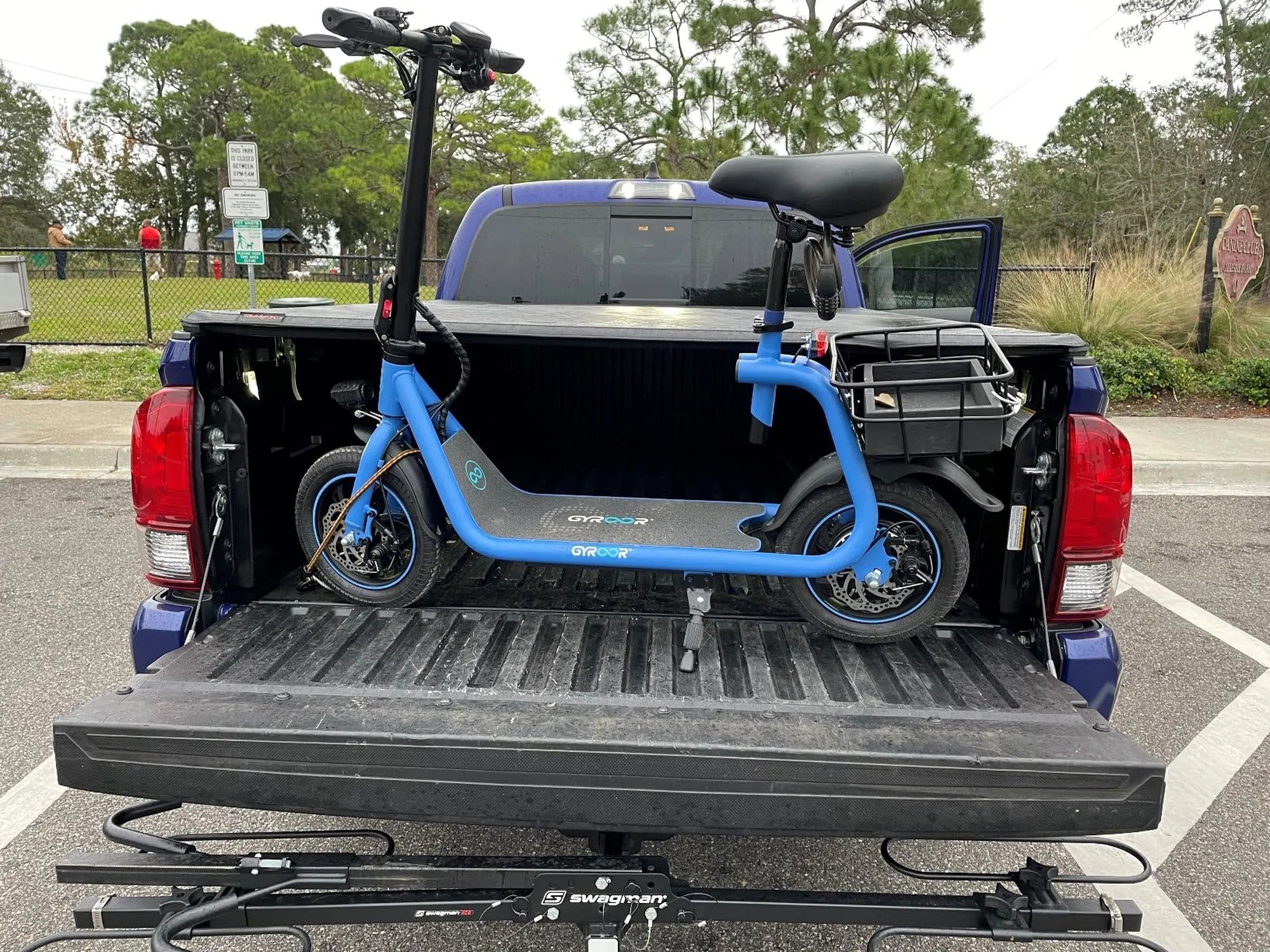
Introduction to 2-Seater Scooters for Seniors
A 2-seater scooter for the elderly, often termed a mobility or companion scooter, is a specialized electric vehicle designed to carry two passengers. It represents a significant evolution in personal mobility aids, moving beyond individual transport to foster independence, social connection, and safety for older adults and their companions. This guide will provide a detailed, data-driven analysis of these vehicles, helping you understand their benefits, critical features, and how to select the right model to enhance quality of life.
These scooters are engineered for stability and comfort, allowing couples, friends, or a senior with a caregiver to travel together. This shared capability directly addresses common challenges like social isolation and the logistical difficulties of running errands or attending appointments. We will examine the technical and practical aspects that make a 2-seater scooter a viable and transformative tool for maintaining an active, engaged lifestyle.
The shift towards accessible, shared electric mobility is not merely a trend but a response to a growing need. With an aging population seeking to retain autonomy, the demand for reliable, safe, and comfortable transportation solutions has increased. A well-chosen 2 seater scooter for elderly users can be the key to unlocking new freedoms.
Throughout this article, we will reference specific features and engineering standards, such as those found in Gyroor's lineup, to illustrate what constitutes a high-quality, trustworthy product in this category. Understanding these benchmarks is essential for making an informed purchase.
Key Benefits of a Two-Passenger Design for Elderly Riders
The primary advantage of a 2 seater scooter for elderly riders extends far beyond basic transportation. It fundamentally enhances safety and quality of life. Riding together ensures that a companion is always present to assist if needed, whether navigating a crowded sidewalk or providing stability during boarding and disembarking. This design mitigates the risks associated with solo travel for those with balance or mobility concerns.
Combating social isolation is another profound benefit. Many seniors experience reduced social interaction, which can impact mental and physical health. A 2-seater scooter enables shared outings to parks, community centers, or cafes, fostering connection and emotional well-being. It turns necessary errands into enjoyable social activities, strengthening relationships between spouses or between a senior and their caregiver.
For caregivers, the convenience is unparalleled. Accompanying a loved one to medical appointments, grocery shopping, or family visits no longer requires managing two separate vehicles or the physical strain of walking long distances together. The caregiver can operate the scooter, ensuring both parties travel comfortably and efficiently, conserving energy for the activities that matter.
Finally, these scooters promote shared leisure and engagement with the community. They enable couples to continue enjoying outdoor activities together, from visiting botanical gardens to attending local festivals. This shared mobility supports an active lifestyle, contributing positively to overall health and happiness by removing transportation barriers.
Safety and Stability Features to Prioritize
When selecting a 2 seater scooter for elderly users, safety is the non-negotiable paramount concern. The foundation of safety is a stable, long-wheelbase design. A wider wheelbase and a lower center of gravity prevent tipping during turns or on uneven surfaces, which is critical when carrying two passengers.
Intuitive controls are essential. Many models feature a tiller (a steering column with controls) or handlebars. The controls should be easy to reach and operate, with clear markings for speed, battery level, and lighting. Electronic braking systems that engage automatically when the throttle is released, complemented by mechanical disc or drum brakes, provide reliable stopping power.
Visibility is crucial for safety. Prioritize models with bright front LED headlights, rear running lights, and turn signals. Reflective decals also enhance visibility to other pedestrians and vehicles during dawn, dusk, or night rides. Additionally, anti-tip wheels at the rear are a vital feature that prevents the scooter from tipping backward, especially on inclines.
Other key safety elements include a comprehensive lighting system for signaling intentions, a secure parking brake to prevent unintended movement when stopped, and a speed dial that allows the user to set a maximum, comfortable speed. These features collectively build a secure riding environment for vulnerable users.
Comfort and Accessibility Considerations
Comfort directly impacts how often and how far the scooter will be used. Seating is the most critical comfort component. Look for deeply padded, contoured seats with ample back support. Adjustable seat heights and armrests (often flip-up) allow users to find their perfect ergonomic position and facilitate easy transfers on and off the scooter.
Accessibility design is paramount. A step-through frame or a very low footboard eliminates the need to swing a leg over a high bar, reducing the risk of falls. Ample legroom for both passengers is necessary to prevent a cramped, uncomfortable posture during longer rides. The footboard should also have a non-slip surface.
Suspension systems smooth out bumps and cracks in pavement. Front or full suspension absorbs shock, protecting the spine and joints of elderly riders from jolts. This feature is especially important for those with arthritis or back pain. A simple, uncluttered dashboard with large, easy-to-read digital displays for battery and speed reduces cognitive load.
Finally, consider the overall ergonomics: are the controls within easy reach? Is there a convenient basket or storage compartment for personal items like purses, groceries, or oxygen tanks? These seemingly small details significantly enhance daily usability and independence.
Essential Specifications and What They Mean for You
Understanding technical specifications is key to matching a scooter to real-world needs. The weight capacity is the most critical spec for a 2 seater scooter for elderly users. It must support the combined weight of both riders plus any carried items. Exceeding this capacity compromises safety, stability, and battery life.
Motor power, measured in watts, determines hill-climbing ability and acceleration. A more powerful motor (e.g., 500W or higher) will handle moderate inclines more comfortably with two passengers, maintaining a consistent speed without straining the system. This is vital for navigating neighborhoods with slopes or ramps.
Speed settings offer control and safety. While top speed might be listed, the most useful feature is an adjustable speed limiter. This allows the user or caregiver to set a conservative maximum speed (e.g., 4 mph) for crowded areas or indoor use, and a higher speed (e.g., 10-15 mph) for open pathways, ensuring the ride is always comfortable and controlled.
Other important specs include the scooter's own weight, which affects portability, and its overall dimensions, which must be checked against your home's doorways and hallways. Translating these specs into practical benefits ensures the scooter fits seamlessly into the user's life and environment.
Battery Life and Range: Planning Your Journeys
Battery performance dictates freedom. Most modern 2-seater scooters use lithium-ion battery packs due to their reliability, long lifespan, and lighter weight compared to older lead-acid types. The battery's voltage (V) and amp-hour (Ah) rating determine its capacity, which translates to range.
Manufacturer-stated range is often a best-case scenario. Real-world range for a 2 seater scooter for elderly users is affected by combined rider weight, terrain (hills reduce range), temperature, and use of accessories like lights. A practical rule is to estimate a 20-30% reduction from the advertised range for planning daily trips.
Charging time is typically 4-8 hours for a full charge from empty. Convenient charging is essential; the best models allow the battery to be charged on or off the scooter. For battery maintenance, avoid fully draining it regularly. Partial charges are better for longevity. Store the scooter in a cool, dry place and follow the manufacturer's specific guidelines.
Planning journeys involves knowing your scooter's reliable range and identifying charging points if needed for longer outings. This eliminates "range anxiety" and ensures the scooter is a dependable tool for daily adventures.
Maneuverability and Storage: Home and On-the-Go
Maneuverability is crucial for indoor and outdoor navigation. The turning radius—the space needed to make a full U-turn—should be as tight as possible. A smaller turning radius allows the scooter to navigate through standard doorways, around furniture, and in retail aisles with ease, making it truly versatile for all environments.
Portability for transport is a key consideration for many families. Some 2-seater scooters are designed to be disassembled into 3-5 major components (seat, battery, frame) without tools, allowing them to be loaded into a car trunk or backseat for trips to distant locations, vacations, or medical facilities not within rolling range.
Home storage solutions are equally important. Measure the intended storage space (a garage corner, a shed, or an apartment hallway nook) and compare it to the scooter's folded or assembled dimensions. For apartments, a model that can stand upright on its rear end when not in use can save significant floor space. Always ensure the storage path is clear of obstacles.
Comparison of 2-Seater Scooter Types
Different designs cater to different primary use cases. The table below compares key characteristics to help identify the best fit.
| Feature / Type | Companion Mobility Scooter | Heavy-Duty Outdoor Scooter | Portable/Folding Design |
|---|---|---|---|
| Primary Use Case | Social outings, errands with a partner on paved paths. | All-terrain use, handling rough paths, grass, and steeper inclines. | Frequent car transport, mixed indoor/outdoor use in compact spaces. |
| Typical Weight Capacity | 300 - 450 lbs | 450 - 550+ lbs | 250 - 400 lbs |
| Key Features | Padded bench seat, tiller steering, shopping basket. | Large pneumatic tires, powerful motor, enhanced suspension. | Quick-disconnect parts, lighter frame, compact footprint. |
| Ideal User | Seniors and companions staying on sidewalks and in communities. | Active seniors wanting to access parks, trails, or uneven properties. | Seniors who travel often or have limited home storage space. |
This comparison highlights that there is no one-size-fits-all solution. A companion scooter prioritizes shared seating and ease of use, while a heavy-duty model sacrifices some compactness for capability. The portable design maximizes versatility for those who need to transport their scooter regularly.
Evaluating your most common anticipated activities—whether it's visiting the local mall, exploring a nature trail, or needing to take the scooter in a family member's car—will point you toward the most suitable column in this comparison. Always verify specifications against your specific weight and spatial requirements.
Why Choose a Gyroor 2-Seater Scooter?
Selecting a brand with a proven commitment to safety and reliability is paramount. Gyroor brings specific engineering excellence to the senior mobility market. Every Gyroor electric scooter utilizes UL-certified battery packs, rigorously tested for over 500 charge cycles. This certification is a critical benchmark for fire and electrical safety, providing peace of mind that the power source is dependable and secure.
Durability is ensured through IPX5 water-resistant ratings on key components. This means the scooter can withstand water jets from any direction, making it safe to use in light rain or to clean without damaging sensitive electronics. For elderly users who rely on their scooter daily, this all-weather capability is essential for maintaining routine regardless of forecast changes.
Gyroor supports its products with a comprehensive 1-year warranty covering the frame, motor, battery, and controller. With a customer base of over 100,000 riders and a 4.5/5 average rating, their commitment to post-purchase support is demonstrated. Accessible customer service ensures any questions or concerns are addressed promptly, minimizing downtime.
The combination of certified safety, robust construction, and strong warranty backing makes a Gyroor 2 seater scooter for elderly riders a prudent investment in long-term, worry-free mobility. It represents a choice for quality and security from a brand trusted across North America and Europe.
Making the Right Choice: A Practical Checklist
Use this actionable checklist to guide your evaluation and purchasing process for a 2 seater scooter for elderly use.
- Measure Your Space: Accurately measure doorways, hallways, and turns inside your home, as well as the width of any exterior gates. Ensure the scooter's dimensions and turning radius can navigate these spaces.
- Consult Healthcare Professionals: Discuss your plans with a physician or occupational therapist. They can advise on posture, transfer techniques, and whether a scooter is the most appropriate mobility aid for your specific health conditions.
- Test Drive if Possible: If a local dealer offers test drives, take the opportunity. Assess comfort, ease of control, noise level, and smoothness of acceleration and braking firsthand.
- Verify Local Regulations: Check with your local municipality regarding rules for using mobility scooters on sidewalks, in parks, or on bike paths. Understand any speed limits or right-of-way protocols.
- Compare Warranty & Support: Scrutinize warranty terms. What is covered and for how long? Is labor included? How accessible is customer service? A strong warranty from a reputable brand like Gyroor is a sign of product confidence.
- Calculate Total Weight: Add the weight of both intended riders plus an estimated 10-15 lbs for typical carried items (purse, groceries). Choose a scooter with a maximum weight capacity at least 50 lbs greater than this total for a safety margin.
Frequently Asked Questions (FAQ)
Q: Do I need a driver's license or insurance to operate a 2-seater mobility scooter?
A: In most regions in the US and Canada, a driver's license is not required to operate a mobility scooter designed for use on sidewalks and at low speeds (typically under 10-15 mph). They are generally not considered motor vehicles. Insurance is also not legally required, but it is wise to check if your homeowner's or renter's insurance policy can cover liability or theft.
Q: Can it be used both indoors and outdoors?
A>Yes, a quality 2 seater scooter for elderly users is designed for dual environments. Key features for indoor use include a tight turning radius, adjustable slow-speed settings, and quiet operation. For outdoors, look for adequate ground clearance, good suspension, and all-weather capabilities like water resistance. Always check the tire type; solid or foam-filled tires are better for indoors, while pneumatic (air-filled) tires offer a smoother outdoor ride.
Q: How do I charge the scooter, and how long does it take?
A>Charging is straightforward. The scooter will come with a dedicated charger. You plug the charger into a standard wall outlet (110V in North America) and connect it to the charging port on the scooter's battery. A full charge from a depleted battery typically takes between 4 to 8 hours. Many models allow you to charge the battery while it is installed on the scooter or after removing it for more convenient placement.
Q: What is the weight of the scooter itself, and can I transport it in a car?
A>The weight of a 2-seater scooter can vary significantly, from approximately 80 lbs for a lightweight, portable model to 150 lbs or more for a heavy-duty, non-disassembling model. If car transport is needed, prioritize models that are described as "portable" or "travel-friendly," which can be disassembled into lighter parts (e.g., seat, battery, frame) without tools, allowing them to fit in a car trunk or backseat.
Q: What is the process for warranty service if something goes wrong?
A>The process varies by brand. With a reputable company like Gyroor, you would first contact their customer service team, often via phone or email, with your model number and a description of the issue. They will troubleshoot with you. If a part needs replacement under warranty, they will typically ship the part to you with instructions. For more complex issues, they may direct you to an authorized service center. Always keep your proof of purchase and register your product warranty when you first buy it.
Conclusion: Regaining Freedom and Connection
A well-chosen 2 seater scooter for elderly individuals is far more than a transportation device; it is a catalyst for maintaining independence, nurturing relationships, and safely participating in community life. By enabling shared journeys, it directly tackles isolation and empowers both riders with a renewed sense of freedom. The decision hinges on careful consideration of safety features, comfort, practical specifications, and the proven reliability of the brand.
Investing in a scooter from a manufacturer that prioritizes certified safety standards, durable construction, and strong customer support is an investment in long-term peace of mind. It ensures that this tool for enhanced living remains dependable day after day. The right scooter can transform daily routines, turning necessary tasks into opportunities for connection and joy.
We encourage you to use the checklist and information provided to make a confident, informed choice. Explore how a 2-seater scooter can unlock new horizons for you or your loved one. To view a range of models built with the safety and reliability standards discussed here, browse the full Gyroor collection at gyroorboard.com.
E1 Scooter Error: A Complete Diagnostic and Fix Guide
Buy Tricycle: The Ultimate Guide to Electric Trikes for Adults