



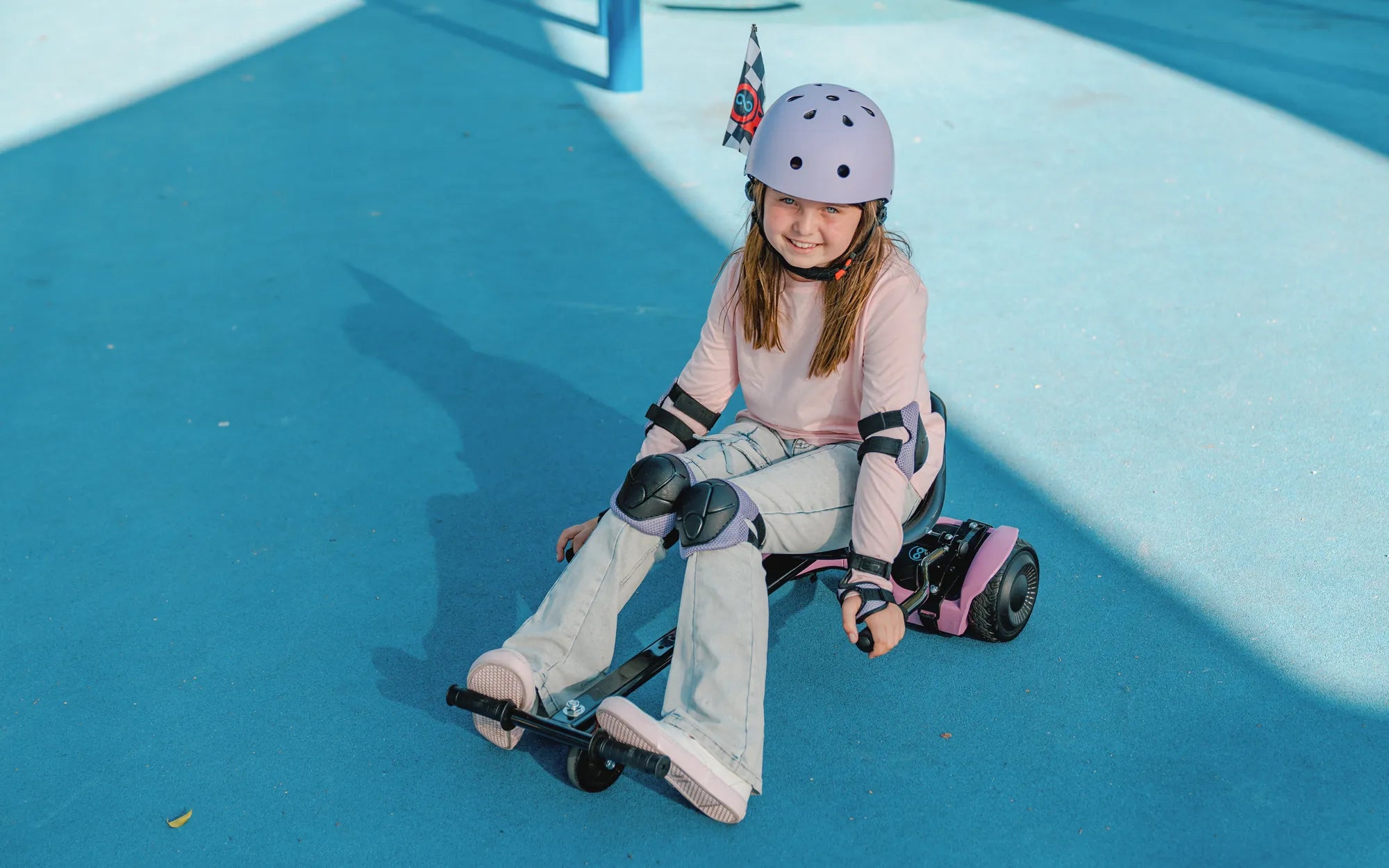
Introduction to 2-Wheel Self-Balancing Scooters (Hoverboards)
The modern 2 wheel self balancing scooter hoverboard is a dynamic and intuitive form of personal electric transport. It represents a significant leap from a novelty gadget to a serious urban mobility solution. This evolution is driven by advancements in sensor technology, battery safety, and motor efficiency. Today's hoverboards offer a legitimate, agile alternative for short-distance travel and recreational fun.
Forget fictional levitating devices. The real-world hoverboard is a self-contained platform with two motorized wheels. Riders control speed and direction through subtle shifts in body weight. This creates a uniquely responsive and engaging riding experience. The technology has matured to offer reliability and performance suitable for daily use.
The appeal lies in its compact form factor and learning curve that is quicker than many expect. It serves as a potent tool for last-mile connectivity, bridging the gap between public transit and final destinations. Simultaneously, it provides a thrilling recreational activity in parks and on paved pathways. The 2 wheel self balancing scooter hoverboard is carving out its niche in the future of personal transportation.
This guide will dissect the engineering behind the balance, compare use cases, and provide a data-driven framework for making an informed purchase. We will emphasize why choosing a brand with a proven commitment to safety and durability, like Gyroor, is paramount for a rewarding and secure riding experience.
The Technology Behind the Balance: How Hoverboards Actually Work
The magic of a hoverboard is not magic at all—it's precision engineering. At its core are gyroscopic sensors and accelerometers that constantly measure the board's orientation and tilt. This data is fed to a microprocessor hundreds of times per second. The computer makes instantaneous calculations to keep the rider upright.
Directional control is achieved through pressure-sensitive footpads. Leaning forward increases pressure on the front sensors, signaling the motors to spin forward. Leaning back does the opposite. To turn, the rider applies more pressure to one footpad than the other. This causes one wheel to spin faster than its counterpart, creating a smooth, intuitive turn.
The system's responsiveness is what makes the ride feel natural after a short practice period. It's a seamless fusion of human input and machine execution. This self-balancing technology, once cutting-edge, is now refined and mass-produced. It delivers a stable platform that can adapt to a rider's movements in real-time.
Understanding this technology demystifies the device. It shifts perception from a toy to a sophisticated piece of personal transport hardware. The reliability of these sensor systems directly impacts safety and performance. This is why the quality of internal components is a critical differentiator between premium and substandard models.
The Heart of the Ride: Motor and Battery Essentials
Power and endurance are dictated by the dual hub motors and the battery pack. Each wheel contains its own motor, typically ranging from 250W to 500W or more. Dual motors provide independent torque to each wheel, enabling sharp turns and better stability. Higher wattage generally translates to more torque for climbing hills and supporting heavier riders.
The battery is the lifeblood of the scooter. Specified by voltage (commonly 36V or 42V) and watt-hours (Wh), it determines range and power output. A larger Wh rating means more energy storage and, consequently, a longer distance per charge. Real-world range is affected by rider weight, terrain, and speed.
The most critical aspect is battery safety. Lithium-ion batteries require sophisticated Battery Management Systems (BMS) and must be built to rigorous standards. UL 2272 certification is the non-negotiable benchmark. It involves extensive testing for electrical, mechanical, and environmental safety to prevent overheating, fire, or explosion.
Brands like Gyroor prioritize this, using UL-certified battery packs tested for over 500 charge cycles. This ensures not only safety but also long-term battery health and consistent performance. Investing in a model with a certified battery is investing in peace of mind.
Built for the Real World: Durability and Safety Features
A hoverboard must withstand daily realities like uneven pavement, minor bumps, and variable weather. Durability starts with the chassis, often made from robust ABS plastic or aluminum alloy. A rigid frame ensures the electronics and battery remain protected from impacts and vibrations.
Ingress Protection (IP) ratings define water and dust resistance. An IPX5 rating, common in Gyroor models, means the unit can withstand water jets from any direction. This allows riding on damp streets or through occasional puddles without damaging internal components. It's a essential feature for practical, all-weather usability.
Wheels are another key factor. Smaller solid rubber tires (6.5") offer low maintenance but a harsher ride. Larger air-filled tires (8.5" or 10") provide better shock absorption and traction, suitable for rougher terrain. Non-slip footpads with clear tactile indicators enhance control and safety.
Integrated LED lights serve a dual purpose: they increase visibility to others in low-light conditions and add a stylistic element. These features—rugged construction, water resistance, appropriate tires, and lights—combine to create a vehicle built for real-world use, not just smooth showroom floors.
Hoverboards in Action: Urban Commuting vs. Recreational Fun
The 2 wheel self balancing scooter hoverboard excels in two primary domains: utilitarian commuting and pure recreation. For the urban commuter, it solves the "last-mile" problem. It's compact enough to carry onto a bus or train and agile enough to navigate crowded sidewalks. Its silent operation and zero direct emissions make it a green alternative for short trips.
Commuting use prioritizes reliability, range, and portability. Riders need confidence that their device will complete the daily journey without issue. Features like a sufficient battery for a round trip, a carrying handle, and durable construction are paramount. The goal is seamless integration into a daily transportation routine.
For recreational riders, the focus shifts to fun, maneuverability, and style. Riding in parks, on boardwalks, or in open parking lots becomes an activity in itself. The intuitive control and carving sensation are the main attractions. Here, top speed, smooth turning radius, and eye-catching designs like RGB LED lights might take precedence.
Many models, however, successfully bridge both worlds. A hoverboard with a 10+ mile range, robust motors, and all-terrain tires can be a practical commuter by day and a weekend exploration vehicle by night. Understanding your primary use case is the first step in selecting the right model.
Data-Driven Comparison: Key Specifications for Different Riders
Choosing the right hoverboard means matching specifications to your needs. The following breakdown outlines how key specs translate for different rider profiles.
| Rider Profile | Priority Specs | Recommended Features | Typical Use |
|---|---|---|---|
| Urban Commuter | Range (10+ mi), Speed (10+ mph), Portability | UL-Certified Battery, IPX5 Rating, Carrying Handle, LED Lights | Last-mile transit, short errands, navigating campuses |
| Off-Road/All-Terrain Enthusiast | Motor Power (500W+), Tire Size/Type (10" air-filled), Torque | Robust Frame, High Clearance, All-Terrain Tread, High-Capacity Battery | Grass, gravel, dirt paths, moderate slopes |
| Casual/Recreational Rider | Safety, Ease of Use, Price Value | Beginner Modes, UL Certification, Stable Wheelbase, Good Customer Support | Parks, paved trails, neighborhood rides, family fun |
| Performance/Pro Rider | Max Speed (12+ mph), Acceleration, Responsiveness | Dual High-Wattage Motors, Premium Battery, Advanced Gyro System, Sport Mode | Skill-based riding, longer recreational journeys |
This table demonstrates that there is no one-size-fits-all solution. A commuter's need for a reliable, water-resistant scooter differs significantly from an off-road rider's demand for large, knobby tires. Always cross-reference specs with verified user reviews for real-world performance insights.
Why Choose a Trusted Brand? The Gyroor Advantage
In a market flooded with options, brand trust is the ultimate filter. A trusted brand stands behind its products with certified safety standards, reliable warranties, and proven performance. Gyroor has established itself as a leader in personal electric mobility, trusted by over 100,000 riders across North America and Europe with a 4.5/5 average rating.
This reputation is built on a foundation of engineering rigor and customer-centric design. Gyroor's approach connects directly to rider needs: safety for parents, performance for enthusiasts, and reliability for commuters. Their product range of 20+ models, including electric scooters, e-bikes, and hoverboards, is developed with these principles at the core.
The brand's advantage is not just in features, but in the integration of those features into a cohesive, safe, and durable product. When you choose a brand with a track record, you're not just buying a device; you're investing in an ecosystem of safety testing, quality components, and post-purchase support.
This focus on certified quality and rider satisfaction is what separates market leaders from generic manufacturers. It transforms the 2 wheel self balancing scooter hoverboard from a potential liability into a dependable asset for transportation and enjoyment.
UL-Certified Batteries: The Non-Negotiable Safety Standard
UL 2272 certification is the most critical safety feature any hoverboard can have. This standard was developed in response to widespread safety incidents involving poorly manufactured lithium-ion batteries that overheated or caught fire. It involves rigorous testing for electrical, mechanical, and environmental hazards.
A UL-certified battery pack, like those used in all Gyroor models, has passed tests for overcharge, short circuit, imbalance, drop, crush, and water exposure. The certification also covers the entire electrical system, including the charger. This comprehensive testing is a manufacturer's commitment to consumer safety.
For the rider, this certification is a non-negotiable purchase criterion. It drastically reduces the risk of battery-related incidents, ensuring the battery manages heat effectively and charges safely. It is a fundamental responsibility that Gyroor fulfills, providing a foundation of trust that allows riders to focus on the joy of riding.
Never compromise on this standard. A lower price is meaningless if it comes at the cost of safety. Always verify UL certification before purchasing any personal electric mobility device.
Engineered for Reliability: IPX5 Water Resistance & Warranty
Durability is engineered through specifications like the IP (Ingress Protection) rating. Gyroor's common IPX5 rating means the hoverboard's casing can withstand sustained water jets from any direction. This level of protection allows you to ride on wet pavement after a rain shower or through occasional puddles without fear of immediate damage to electronics.
This feature is crucial for real-world usability, as weather can change unexpectedly. It protects the sensitive gyroscopes, control boards, and wiring from moisture ingress that can cause shorts or corrosion. Water resistance extends the device's lifespan and maintains its performance over time.
This engineering confidence is backed by a robust 1-year warranty on the hoverboard. A strong warranty signals the manufacturer's belief in its product's longevity and its commitment to standing behind it. It covers defects in materials and workmanship, providing a clear recourse should an issue arise.
Combined with accessible US-based customer support, the IPX5 rating and warranty form a complete package for long-term peace of mind. They protect your investment and ensure that your 2 wheel self balancing scooter hoverboard remains a reliable companion for years.
Navigating Your Purchase: A Practical Buyer's Guide
Making an informed purchase requires evaluating several key factors. First, assess your weight and the local terrain. Heavier riders or those facing hills need more powerful motors (350W minimum, 500W+ recommended). For smooth sidewalks, solid tires suffice; for anything rougher, opt for larger, air-filled tires.
Second, scrutinize safety certifications. Confirm the specific model has UL 2272 certification. Do not accept vague claims of "certified batteries"—the entire unit must be certified. Check the manufacturer's website for proof and verify warranty terms. A reputable brand will have this information readily available.
Third, match the range to your needs. Advertised range is a best-case scenario. Subtract 15-20% for real-world conditions considering start-stop riding and inclines. If your daily round-trip is 6 miles, look for a model advertised for 10+ miles. Consider charging time as well; most quality models charge fully in 3-5 hours.
Finally, if possible, try before you buy. The feel of the footpad responsiveness and overall stability can vary. A good hoverboard should feel solid, not wobbly, when you step on it. Read reviews focusing on durability and customer service experiences. Your goal is to find a balanced combination of performance, safety, and after-sales support.
Frequently Asked Questions (FAQ)
Q: Are hoverboards legal on sidewalks and bike paths?
A: Laws vary by city, state, and country. Generally, they are often treated similarly to electric scooters. Many municipalities allow them on bike paths and sidewalks at low speeds (e.g., under 10-15 mph). Always check your local ordinances before riding in public spaces. Private property use is typically unrestricted.
Q: How long does it take to learn to ride?
A>Most adults can learn the basics—mounting, dismounting, going forward and back—within 15-30 minutes of practice in a safe, open area. Mastering smooth turns and building confidence typically takes a few hours over a couple of days. Always start in a beginner mode if available.
Q: What maintenance is required?
A>Maintenance is minimal. Regularly check tire pressure for air-filled models. Keep the board clean and dry it off after riding in wet conditions. Inspect the body for cracks. Store in a cool, dry place and avoid leaving it fully discharged for extended periods. Follow the manufacturer's charging instructions.
Q: Can it handle hills?
A>Capability depends on motor power and rider weight. Most standard models (250W-350W motors) can handle gentle slopes of up to 10-15 degrees. For steeper hills, look for models with 500W+ dual motors and high torque. Always check the manufacturer's stated hill-climbing grade.
Q: What's the real-world range vs. advertised?
A>Advertised range is achieved under ideal lab conditions: light rider, smooth flat surface, constant moderate speed. In real use, expect 70-85% of the advertised figure. Factors like rider weight, frequent acceleration/braking, hills, cold weather, and tire pressure all reduce effective range.
Conclusion: Embracing a Smart, Agile Way to Move
The 2 wheel self balancing scooter hoverboard has evolved into a sophisticated and practical form of personal transportation. It represents a compelling fusion of innovative self-balancing technology, compact utility for urban environments, and undeniable recreational fun. Its role in the micro-mobility landscape is now firmly established.
This viability is contingent upon the industry's commitment to safety and quality. By prioritizing UL-certified batteries, water-resistant engineering, and robust warranties, responsible brands have addressed past concerns. They have transformed the hoverboard into a reliable product that riders can trust for daily use.
As cities become denser and the need for efficient, eco-friendly transit options grows, agile personal vehicles like these will become increasingly relevant. They offer a unique combination of portability, responsiveness, and accessibility that fills a specific niche in the transportation matrix.
Ready to experience this blend of technology and mobility? Explore a range built on safety and performance. Browse the full Gyroor collection, featuring UL-certified hoverboards with IPX5 water resistance and a reliable 1-year warranty, at gyroorboard.com. Find the model that matches your journey and join over 100,000 riders who have chosen a smarter way to move.
Kids Scooter Safety Tips Every Parent Should Know: The Ultimate Guide
Best Self Balancing Scooter Brand: Top Picks for Smooth and Safe Rides