



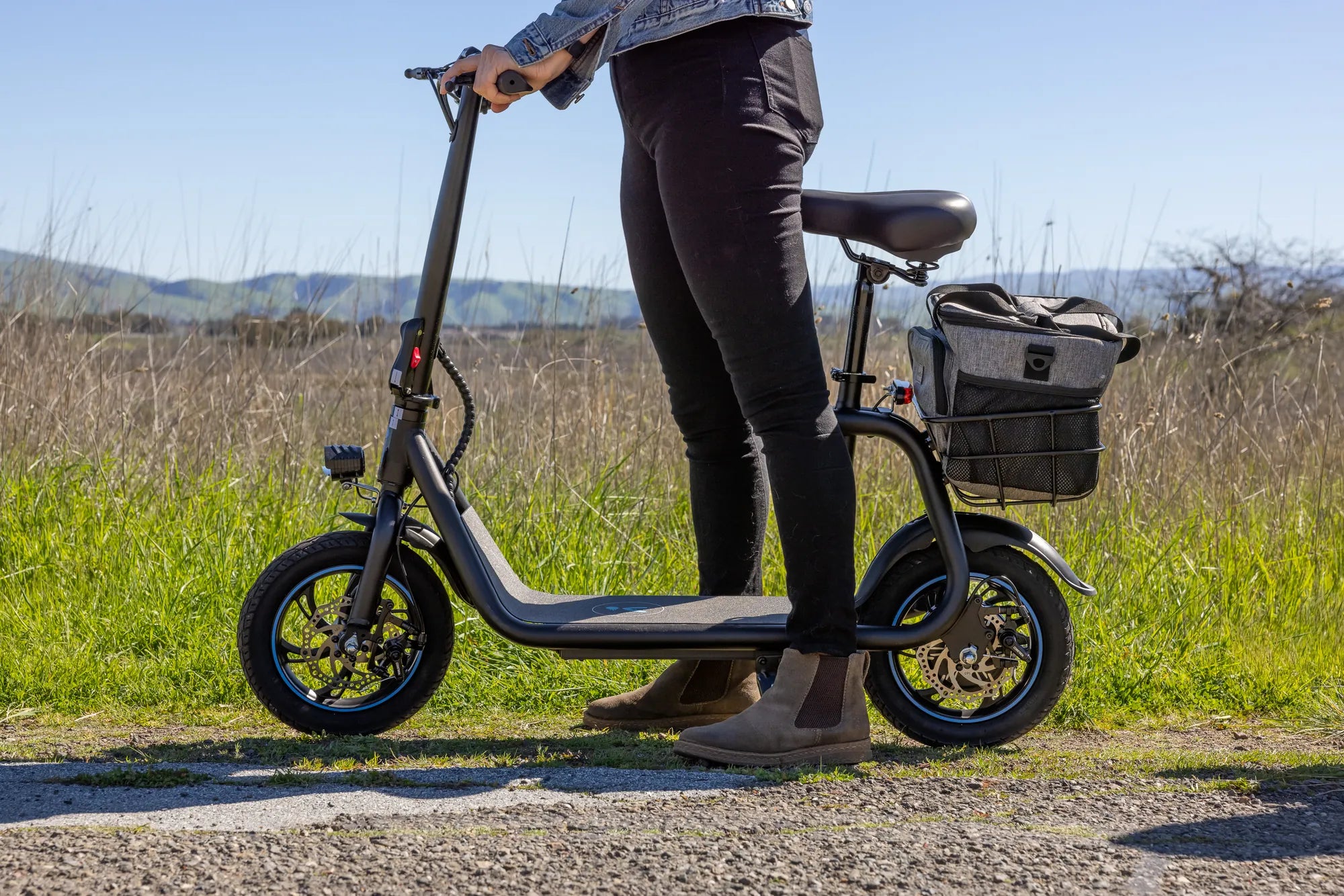
The 2024 E-Scooter Landscape: A Mobility Revolution
Urban mobility is undergoing its most significant transformation since the automobile. At the forefront are 2024 electric scooters, engineered not as toys but as legitimate, efficient transportation tools. They directly address the trifecta of modern urban woes: crippling traffic congestion, soaring transportation costs, and pressing environmental targets. This evolution is powered by brands like Gyroor, a leading electric scooter and e-bike manufacturer trusted by over 100,000 riders across North America and Europe for UL-certified safety and reliable performance.
This article will dissect the technological innovations defining this year's models, present a data-driven case for their economic and practical advantages, and provide a clear framework for selecting the right scooter. You will learn how advancements in battery tech, connectivity, and durability make the 2024 electric scooter a viable car replacement for millions. We will move beyond hype to analyze real-world range, total cost of ownership, and the infrastructure shaping their future.
What Defines a 2024 Electric Scooter? Key Innovations
The 2024 electric scooter represents a generational leap from its predecessors. It's characterized by a focus on integrated smart systems, professional-grade build quality, and performance metrics tailored for reliable daily commuting. The core philosophy has shifted from novelty to utility, with every component designed for thousands of miles of urban use.
Gone are the days of unpredictable range and basic functionality. Today's models are connected vehicles with advanced battery management, robust safety features, and designs that withstand diverse weather conditions. This maturity is what positions the 2024 electric scooter as the future of urban mobility, a tool as indispensable as a smartphone for navigating the modern city.
Power, Range & Battery Tech Evolution
The heart of any electric scooter is its powertrain. 2024 models feature more efficient brushless hub motors, often ranging from 350W to 1000W, with sophisticated thermal management to prevent overheating during sustained climbs. This translates to consistent power delivery and hill-climbing ability exceeding 15-20% grades, making them viable in hilly cities.
The true revolution, however, lies in battery technology and management. Leading brands now universally utilize high-density, UL 2271-certified lithium-ion battery packs. This certification, a standard for Gyroor batteries, involves rigorous testing for electrical, mechanical, and environmental safety, drastically reducing fire risk. These batteries support 500+ charge cycles while maintaining over 80% capacity, ensuring a multi-year lifespan with proper care.
Real-world range has become a critical, and more honest, specification. While manufacturers cite maximum ranges (often 25-50 miles), savvy brands now provide estimated ranges for different riding modes and rider weights. The key is the battery management system (BMS), which protects cells from overcharge, deep discharge, and short circuits, ensuring both safety and longevity.
Smart Integration & Connectivity
The 2024 electric scooter is a connected device. Nearly all premium models now pair with dedicated smartphone apps, transforming the riding experience. These apps provide real-time diagnostics like battery voltage, remaining range, and motor temperature. They enable performance customization, allowing riders to toggle between Eco, Standard, and Sport modes to balance speed and battery life.
Advanced features include GPS tracking and anti-theft alarms, which can lock the motor and send location alerts to your phone if the scooter is moved without authorization. Ride statistics—tracking distance, average speed, and carbon savings—are logged automatically. This digital layer integrates micromobility into the user's daily tech ecosystem, adding convenience, security, and valuable data.
Build Quality & Rugged Design for Daily Use
Durability is non-negotiable for a daily commuter. Frames constructed from aerospace-grade aluminum alloys provide an optimal strength-to-weight ratio, resisting the fatigue of constant folding and urban potholes. Suspension systems have evolved from basic spring designs to hydraulic or rubber cartridge systems, often front and rear, absorbing impacts for a smoother, safer ride.
Weather resistance is a defining feature. An IPX5 water-resistance rating, common in Gyroor's lineup, means the scooter can withstand water jets from any direction. This allows riders to confidently navigate wet streets and light rain, ensuring the scooter is a reliable year-round tool, not a fair-weather gadget. Wide, pneumatic or airless honeycomb tires further enhance grip and comfort on varied surfaces.
The Urban Commuter's Advantage: Data-Driven Benefits
Adopting a 2024 electric scooter is a logical, data-supported decision for urban dwellers. The advantages extend beyond convenience to measurable savings in time, money, and environmental impact. When analyzed against traditional transport modes, the value proposition becomes compellingly clear.
This analysis moves beyond anecdote to concrete metrics. We examine the direct and hidden costs of car ownership, the inefficiencies of public transit for multi-modal trips, and the tangible environmental footprint of each journey. The 2024 electric scooter emerges not just as an alternative, but as the optimal solution for trips under 10 miles.
Cost-Per-Mile vs. Cars, Rideshare, and Public Transit
The financial argument is overwhelming. The American Automobile Association estimates the average cost to own and operate a new car is over $0.70 per mile, factoring in depreciation, fuel, insurance, maintenance, and parking. In contrast, the electricity cost to charge a typical e-scooter battery is approximately $0.05-$0.15 for a 25-mile range—a cost-per-mile of less than a penny.
Compare this to rideshare services, which can cost $2-4 per mile in city centers, or monthly public transit passes that often exceed $100. An electric scooter with a one-time purchase price of $500-$1,500 pays for itself within months for a regular commuter. Maintenance is minimal: occasional tire changes, brake adjustments, and no oil, gas, or complex mechanical systems.
Time Efficiency in City Centers
In dense urban cores, speed is not about top velocity but door-to-door efficiency. A car averaging 30 mph may spend 10-15 minutes searching for parking, negating any speed advantage. Public transit involves waiting, transfers, and walking to/from stations.
A 2024 electric scooter traveling at a governed 15-20 mph provides predictable, point-to-point travel. It bypasses traffic jams, uses bike lanes, and can be folded and carried into an office or home, eliminating parking entirely. For trips under 5 miles, it is consistently the fastest mode of transport in cities, reclaiming hours per week for the rider.
Environmental Impact: A Clearer Footprint
The environmental benefit is direct and significant. A passenger vehicle emits roughly 411 grams of CO2 per mile. Even when accounting for the electricity generation mix to charge a scooter, the emissions are about 5-10% of a car's per passenger mile.
Furthermore, e-scooters have a smaller manufacturing footprint than cars and reduce urban noise pollution. Their use directly decreases traffic volume, benefiting all city residents. By choosing a scooter with a durable, UL-certified battery designed for a long lifecycle, riders minimize electronic waste and support a more sustainable mobility ecosystem.
Choosing Your 2024 Ride: A Buyer's Framework
Selecting the right 2024 electric scooter requires matching specifications to your specific needs. The market offers models for every use case, from last-mile connectors to primary commuters. This framework focuses on practical decision-making criteria, prioritizing safety, real-world performance, and long-term value over peak speed numbers.
Consider your daily round-trip distance, typical terrain, need for portability, and local weather conditions. A scooter is a personal mobility tool, and the best choice aligns perfectly with your individual commute and lifestyle. Investing in a model from a reputable brand with strong customer support and warranty is crucial for a future-proof purchase.
Matching Specs to Your Commute
Break down your needs into clear categories. For the last-mile rider (subway/bus to office, <3 miles), prioritize lightweight (under 30 lbs) and compact folding. A 250W-350W motor and 10-mile real range is sufficient.
The full commuter (5-10 mile round trip) needs a robust scooter with a 350W-500W motor, a real-world range of 15-20 miles, suspension, and IPX5 water resistance for reliability. The performance enthusiast tackling longer distances or hills should look for dual motors (500W+ each), a large battery for 30+ mile range, and advanced hydraulic brakes.
Always derate the advertised range by 30-40% for real-world conditions (hills, rider weight, frequent acceleration).
Safety and Warranty: Non-Negotiable Features
Safety is paramount. Essential features include a reliable braking system—preferably a combination of electronic (regenerative) and mechanical (disc or drum) brakes—for all-weather stopping power. Bright front and rear lights, side reflectors, and a loud bell are mandatory for urban visibility.
The warranty is your guarantee of build quality and manufacturer support. A comprehensive 1-year warranty on the frame, motor, and battery, like that offered by Gyroor, signals confidence in the product. It ensures access to parts and expert support, protecting your investment. Verify that the brand has a responsive, US-based or local customer service team.
Portability and Practical Considerations
Evaluate the folded dimensions and weight. Can you carry it up a flight of stairs or onto a train? A simple, secure folding mechanism is key. Deck size matters for foot comfort, and wider tires provide more stability. Consider accessory compatibility: does it have a mount for a phone or bag? These practical elements determine daily usability more than top speed.
Comparison Table: 2024 Electric Scooter Use Cases
| Rider Profile | Recommended Specs | Key Features | Gyroor Model Example |
|---|---|---|---|
| Last-Mile / Student | Motor: 250W-350W Range: 10-15 mi Weight: <30 lbs |
Ultra-portable, quick folding, basic display, budget-friendly. | Compact commuter models focused on lightweight design and easy storage. |
| Daily Urban Commuter | Motor: 350W-500W Range: 18-25 mi Weight: 35-45 lbs |
Suspension, IPX5 water resistance, dual brakes, app connectivity, comfortable deck. | Gyroor F1 Pro: Features suspension, dual braking, and a robust frame for daily reliability. |
| Performance / Long-Range | Motor: 500W+ Dual Range: 30+ mi Weight: 50+ lbs |
Dual motors, hydraulic brakes, large battery, high-load capacity, advanced display. | High-performance models designed for speed, hill climbing, and extended adventures. |
Safety, Maintenance, and Riding Etiquette
Safe riding ensures the long-term viability of micromobility. Always wear a helmet—it's non-negotiable. Use hand signals, obey local traffic laws (speed limits, sidewalk restrictions), and ride predictably in bike lanes where available. Be hyper-aware of pedestrians, car doors, and road hazards. Proper lighting at night is a legal and safety requirement.
Regular maintenance is simple but critical. Monthly checks should include tire pressure (for pneumatic tires), brake pad wear and adjustment, bolt tightness, and cleaning. Store your scooter in a dry place and avoid exposing it to extreme temperatures for prolonged periods. These habits maximize safety, performance, and the scooter's lifespan.
The Lifecycle of a Scooter: Battery Care and Longevity
Proper battery care is the single biggest factor in your scooter's longevity. Follow the 20-80% rule when possible: avoid consistently draining to 0% or charging to 100% for daily use. Store the scooter with a 50-70% charge if not used for weeks. Use only the manufacturer-provided charger.
The industry is increasingly focused on end-of-life solutions. Reputable brands participate in or provide guidance for battery recycling programs. UL-certified batteries are designed for safe disassembly. When your scooter eventually retires, contact the manufacturer or a certified e-waste recycler to ensure its battery is processed responsibly.
The Road Ahead: Sustainability and Infrastructure
The future of 2024 electric scooters is intertwined with supportive urban infrastructure and sensible regulation. Widespread adoption depends on cities creating safe spaces to ride and clear rules to follow. This symbiotic relationship is key to unlocking their full potential for reducing congestion and emissions.
We are seeing a positive trend toward dedicated micromobility lanes, secure parking corrals, and integration with public transit hubs. The technology itself will continue to evolve, with swappable battery systems, more advanced materials, and even greater connectivity with smart city networks.
Evolving City Regulations and Micromobility Lanes
Progressive cities are codifying rules for e-scooter use: setting speed limits (often 15-20 mph), defining where to ride (bike lanes, not sidewalks), and requiring lighting. The creation of protected bike and scooter lanes is the most critical infrastructure need, separating riders from fast-moving vehicle traffic and reducing accidents.
Responsible riding etiquette—yielding to pedestrians, parking neatly without obstructing pathways—is essential to maintain public and regulatory support. As a rider, you are an ambassador for this new mode of transport.
Frequently Asked Questions (FAQ)
1. How far can a 2024 electric scooter really go on a single charge?
Real-world range depends on rider weight, terrain, temperature, and riding style. For accurate planning, take the manufacturer's maximum range and reduce it by 30-40%. A scooter advertised for 25 miles will typically achieve 15-18 miles under normal urban commuting conditions.
2. Are electric scooters safe? What are the biggest risks?
Modern scooters from reputable brands with UL-certified batteries are electrically safe. The primary risks are behavioral and environmental: riding without a helmet, exceeding speed limits, navigating poor road surfaces, and interacting with cars. Choosing a model with dual brakes, good lights, and suspension significantly enhances operational safety.
3. Can I ride an electric scooter in the rain?
Models with an IPX5 water-resistance rating, like many from Gyroor, are designed to withstand rain and wet streets. However, avoid deep puddles and torrential downpours. Always exercise increased caution in wet conditions as braking distances increase and traction decreases.
4. What maintenance does an electric scooter require?
Maintenance is minimal. Regularly check and inflate tires, test and adjust brakes, ensure all bolts are tight, and keep the scooter clean. The most important maintenance is for the battery: avoid full discharges, use the correct charger, and store it properly.
5. Is it worth investing in a more expensive scooter?
Absolutely. Higher-priced models from established brands offer better build quality, UL-certified batteries, more powerful motors, longer real-world range, suspension for comfort, comprehensive warranties, and reliable customer support. They are designed as durable transportation, not disposable gadgets, offering far greater long-term value and safety.
Your Next Move in Urban Mobility
The 2024 electric scooter is no longer a speculative trend but a mature, high-utility solution for urban transportation. It represents a convergence of smart technology, rigorous safety standards, and practical design, delivering unmatched efficiency for short-distance travel. The data is clear: for cost savings, time recovery, and environmental benefit, it is a logical and powerful choice.
Your decision now hinges on selecting a partner for this journey. Prioritize brands that back their products with certified safety (UL), weather-ready durability (IPX5), and unwavering rider support through a strong warranty. This investment will redefine your daily commute, freeing you from traffic, parking costs, and transit schedules. The future of urban mobility is personal, efficient, and electric—and it's ready to ride.
Ready to transform your commute? Explore the full range of high-performance, UL-certified 2024 electric scooters built for real-world reliability. Browse the full Gyroor collection at gyroorboard.com and find the perfect model to unlock your city.
Top Electric Scooters in India: The Ultimate Guide for 2024
Electric Scooters for Adults Near Outer Banks, NC: Your Ultimate Guide