



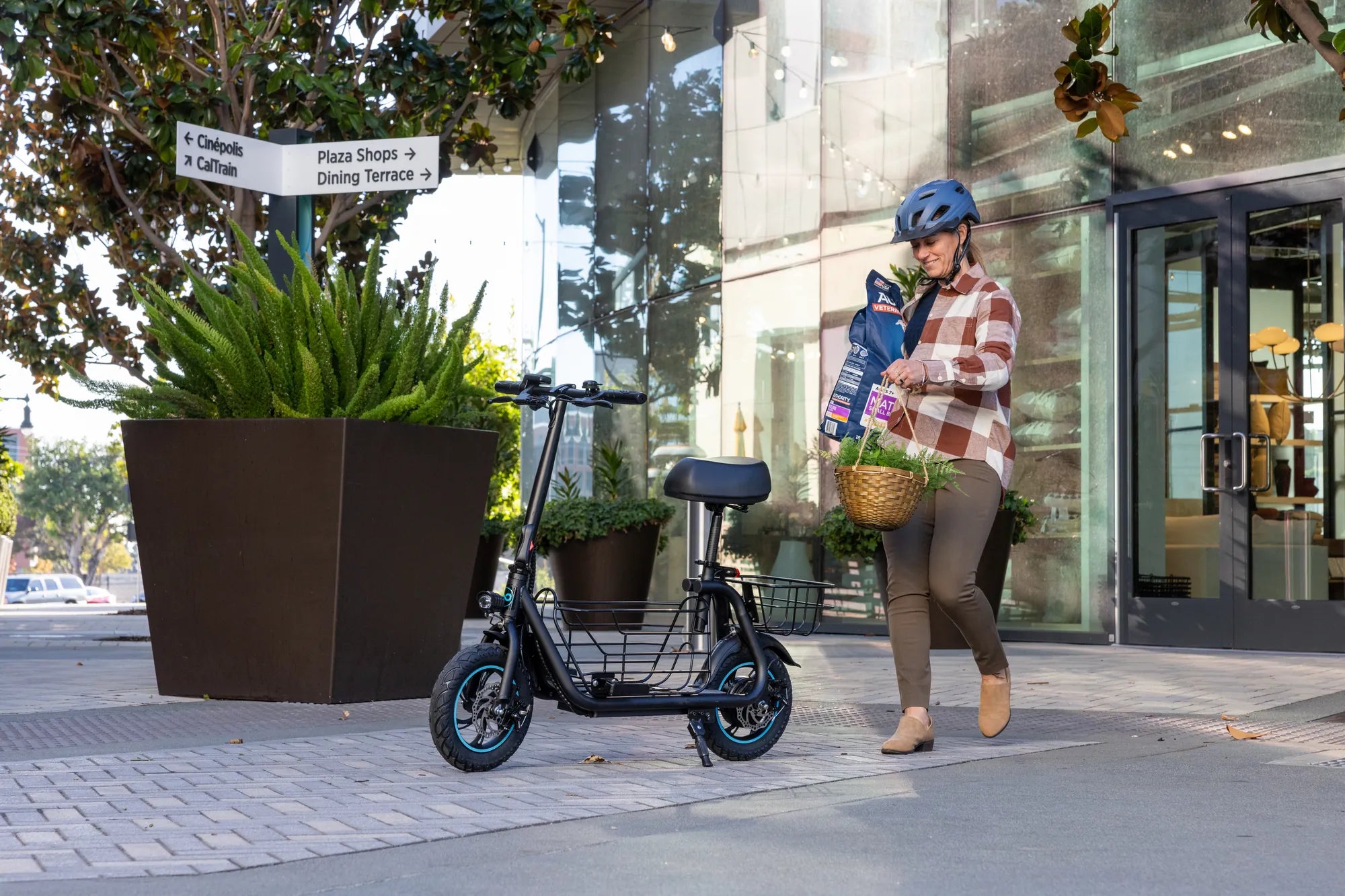
Introduction to 25 mph Dirt Bikes
Navigating the world of off-road riding can be daunting, but a 25 mph dirt bike offers a compelling entry point. This category refers specifically to electric-powered, two-wheeled vehicles capable of reaching speeds up to 25 miles per hour, designed for use on dirt paths, light trails, and unpaved surfaces. It's crucial to distinguish these from their gas-powered motocross cousins, which are often louder, require more maintenance, and can exceed 50 mph.
The 25 mph electric dirt bike fills a unique niche. It provides enough power and torque for exciting trail riding and hill climbing, yet its speed is manageable for beginners. This makes it an excellent choice for teens learning control, adults seeking recreational fun, or commuters who need to tackle rough urban shortcuts. The electric motor delivers instant acceleration without the noise and fumes, opening up riding areas where gas bikes might be prohibited.
For many, the journey into motorized off-roading starts here. The 25 mph dirt bike serves as a versatile tool, bridging the gap between a standard bicycle and a high-performance motorcycle. Whether for weekend trail exploration, backyard fun, or a novel way to commute, understanding this product category is the first step toward a new adventure. This guide will delve into the specifics of performance, features, and what makes a model truly reliable.
By focusing on electric power, these bikes eliminate complex gear shifts and frequent engine maintenance. The immediate question for most riders is whether 25 mph is "fast enough" for real fun. The answer, as we'll explore, is a resounding yes, especially when combined with the instant torque of a well-tuned electric motor. The key is finding a bike built to handle the demands of off-pavement use at this speed.
Why 25 mph is the Sweet Spot for Electric Dirt Bikes
The 25 mph threshold is not arbitrary; it represents a calculated balance between performance, safety, and regulation. For electric bicycles and similar vehicles, this speed aligns with Class 2 and Class 3 e-bike classifications in many U.S. states, which often allow operation on bike paths and trails without requiring a driver's license, vehicle registration, or insurance. This legal accessibility is a massive advantage over faster electric motorcycles or gas-powered dirt bikes.
From a safety perspective, 25 mph is a speed where new riders can build confidence without being overwhelmed. It allows for meaningful progression in skill development—learning to handle bumps, turns, and loose terrain—while keeping the consequences of a mistake more manageable than at 40 or 50 mph. Protective gear remains essential, but the risk profile is significantly different from that of professional motocross.
Practically, 25 mph is more than sufficient for the vast majority of recreational trail riding, exploring fire roads, and navigating through parks. It provides a thrilling sense of speed off-road, where obstacles and terrain changes require slower, more technical riding anyway. On connected paved sections between trails, it's fast enough to keep up with urban traffic on slower streets, making it a viable multi-use vehicle.
Furthermore, engineering a reliable electric drive system for sustained 25 mph operation is more cost-effective and energy-efficient than designing for higher speeds. This translates to better value for the rider, with longer potential range from a given battery size and less strain on motor components, enhancing overall durability and longevity. It's the performance sweet spot where fun meets practicality.
Performance vs. Accessibility
The true magic of a 25 mph dirt bike lies in its ability to deliver exhilarating performance without a steep accessibility barrier. The instant torque from a 750W or 1000W electric motor provides neck-snapping acceleration from a standstill, making hill climbs and quick maneuvers feel thrilling. This torque-centric performance is often more engaging on trails than sheer top speed.
Unlike gas bikes that require pulling a clutch and shifting gears, most electric models offer a simple twist-and-go or pedal-assist operation. This dramatically lowers the learning curve, allowing riders to focus on balance, vision, and trail reading rather than complex mechanics. It makes the sport approachable for a much wider age range and skill set.
The accessibility extends to ownership. There's no need for mixing fuel, changing oil, or tuning carburetors. Charging is as simple as plugging into a standard wall outlet. This low-maintenance profile is ideal for casual riders or families who want fun without the hobbyist-level commitment traditional dirt biking often demands. The 25 mph dirt bike becomes a plug-and-play adventure vehicle.
Finally, the noise factor cannot be overstated. The near-silent operation of an electric dirt bike means you can ride in more locations without disturbing wildlife, neighbors, or other trail users. This social and environmental courtesy opens up riding opportunities closer to home, further enhancing accessibility and ensuring the sport can grow sustainably.
Key Features to Look for in a 25 mph Electric Dirt Bike
Not all electric dirt bikes are created equal, especially when designed for a 25 mph capability. The stresses of off-road riding demand robust components. The frame must withstand repeated impacts from jumps and bumps, while the suspension and brakes must perform reliably at speed on unpredictable surfaces. Compromising on quality here can lead to a short-lived and potentially unsafe riding experience.
A discerning buyer should prioritize engineering built for purpose, not just on-paper specs. A high-wattage motor is useless if it overheats on the first hill climb. A large-capacity battery is a liability if its cells are not protected from the constant vibration of trail riding. The checklist should focus on durability, safety, and real-world performance metrics that guarantee fun for years, not just days.
Brand reputation and post-purchase support are also critical features. A company that stands behind its product with a strong warranty and accessible customer service indicates confidence in its build quality. For a vehicle that will be subjected to mud, water, and hard knocks, this support network is as important as any physical component on the bike itself.
Ultimately, the right combination of features delivers a bike that feels confident and planted. It should inspire the rider to tackle new challenges, knowing the machine is capable and reliable. The following subsections break down the most crucial systems to evaluate.
Motor Power & Battery Range
Motor power, measured in watts (W), is the engine of your electric dirt bike. For consistent 25 mph performance, especially under load (like climbing a hill with a rider), a motor in the 750W to 1000W range is typically the minimum. This provides adequate torque to get moving quickly and maintain speed on inclines. Motors with higher nominal wattage often have better thermal management, allowing for sustained power output without overheating.
More important than peak wattage is the motor's torque output, usually measured in Newton-meters (Nm). High torque is what gives you that punchy acceleration and climbing ability. A 25 mph dirt bike with a high-torque motor will feel much more powerful and responsive on trails than one that simply reaches a high top speed on flat pavement.
The battery is your fuel tank. Capacity is measured in watt-hours (Wh) or amp-hours (Ah) at a given voltage. A larger Wh number generally means longer range. For a 25 mph dirt bike used on mixed terrain, look for a battery rated at least 500Wh. Realistically, expect a range between 20 and 40 miles per charge, depending heavily on terrain, rider weight, assist level, and temperature.
Crucially, inquire about the battery's certification. A UL-certified battery pack has undergone rigorous independent testing for safety, performance, and longevity. For an application involving constant vibration and potential exposure to the elements, this certification is non-negotiable for fire safety and long-term reliability. It's the most important spec on the label.
Frame, Suspension & Tires
The frame is the skeleton. For a 25 mph dirt bike, a lightweight yet strong aluminum alloy frame is standard and desirable. It must have a geometry that balances stability at speed with maneuverability on tight trails. Check the weight capacity to ensure it accommodates the intended rider(s). A well-designed frame also integrates the battery and motor cleanly, keeping the center of gravity low for better handling.
Suspension is what separates a trail-capable bike from a pavement princess. Front suspension forks with at least 80-100mm of travel are essential to absorb impacts from roots, rocks, and small jumps, keeping the wheel in contact with the ground for control. Some higher-end models feature dual suspension (front and rear), which provides significantly more comfort and control on rough descents. The suspension quality directly impacts rider fatigue and overall capability.
Tires are your only contact with the ground. Knobby, air-filled (pneumatic) tires are mandatory for off-road traction. They provide grip in dirt, mud, and sand, and their air cushion adds a layer of shock absorption. The width and tread pattern matter—wider tires offer more stability and floatation on soft surfaces. Avoid bikes with solid rubber or street-style tires if you plan to leave the pavement.
Together, these three elements define the bike's character and limits. A sturdy frame, functional suspension, and proper knobby tires transform a powerful electric drivetrain into a competent off-road vehicle capable of safely handling the speeds a 25 mph dirt bike can achieve.
Braking Systems & Safety
Having the power to go 25 mph off-road is meaningless without the superior power to stop reliably. Braking is the most critical safety system on any vehicle, and for a 25 mph dirt bike, it demands high-quality components. Mechanical disc brakes are a common minimum, but hydraulic disc brakes are a significant upgrade. They offer more consistent, powerful braking with less hand fatigue, as they are self-adjusting and provide better modulation (control over how much braking force is applied).
Stopping on a loose dirt downhill requires precise control. A sudden, locked-up brake can cause the tire to skid, leading to a loss of control. Hydraulic systems give the rider finer feedback and control, making them a worthwhile investment for serious trail riding. The brake rotors should also be of a decent size (e.g., 180mm) to dissipate heat effectively during prolonged use.
Beyond the brakes themselves, integrated safety features are key. Many electric dirt bikes include a motor cutoff feature that engages the moment the brake levers are pulled, preventing any unwanted power surge while braking. Bright LED headlights and taillights are vital for visibility if riding near dusk or on shared paths.
Finally, safety is about the entire system's integrity. A well-built frame, securely mounted components, and reliable electrical connectors all contribute to preventing failures that could lead to accidents. When evaluating a bike, consider the braking system not as an isolated feature, but as the culmination of a bike designed with safety as a priority from the ground up.
Gyroor's Approach: Engineering a Reliable 25 mph Ride
As a leader in personal electric mobility, Gyroor applies its core engineering principles directly to the demanding use case of a 25 mph dirt bike. The philosophy is built on a foundation of safety, durability, and rider-centric design. Understanding that off-road use amplifies stress on every component, Gyroor's specifications are chosen to exceed, not just meet, the basic requirements for this speed class.
The development process focuses on real-world reliability. This means extensive testing of frames for impact resistance, motors for thermal management during sustained climbs, and electrical systems for resistance to vibration and moisture. It's this rigorous validation that has earned the trust of over 100,000 riders across North America and Europe, who rely on Gyroor products for daily commuting and weekend adventure alike.
For a 25 mph dirt bike, this translates to a machine that feels solid and trustworthy. From the selection of high-tensile aluminum for the frame to the programming of the motor controller for smooth but powerful acceleration, every detail is considered. The goal is to deliver the thrill of off-road riding without the anxiety of mechanical failure, allowing the rider to focus purely on the experience and the trail ahead.
Gyroor's commitment extends beyond the point of sale. The industry-leading 1-year comprehensive warranty and accessible U.S.-based customer support provide a safety net that is as crucial as the physical brakes on the bike. This holistic approach—superior components, rigorous testing, and strong support—defines what it means to engineer a truly reliable 25 mph electric dirt bike.
UL-Certified Battery Safety for Demanding Use
The battery pack is the heart of an electric dirt bike, and its safety is paramount. Gyroor insists on UL-certified battery packs across its lineup, a standard that is critical for the 25 mph dirt bike application. Off-road riding subjects the battery to constant vibration, shock from impacts, and potential thermal stress as the motor draws high currents during acceleration and climbing.
A UL-certified battery has passed stringent tests for electrical, mechanical, and environmental safety. This includes crush tests, vibration tests, overcharge protection, and short-circuit prevention. For a rider bouncing down a trail, this certification means the battery's internal management system is robust enough to prevent catastrophic failure, offering peace of mind that is simply not guaranteed with uncertified, generic packs.
Furthermore, these certified packs are rated for 500+ charge cycles while maintaining significant capacity. This translates to years of reliable service, ensuring your 25 mph dirt bike doesn't suffer from severely reduced range after a single season of use. The investment in a quality, certified battery protects your larger investment in the bike itself and, most importantly, the rider.
In an industry where cost-cutting on battery packs is common, Gyroor's adherence to the UL standard is a clear differentiator. It reflects a brand priority where safety and long-term value are not negotiable, making it a cornerstone feature for any rider considering a durable electric dirt bike.
IPX5 Water Resistance: Ready for the Elements
Off-road riding inevitably involves encounters with water, mud, and dust. An electric bike filled with sensitive electronics must be built to withstand these elements. Gyroor engineers its models, including its off-road capable designs, to an IPX5 water resistance rating. This means the critical electrical components can withstand low-pressure water jets from any direction, making the bike resistant to rain, puddle splashes, and mud spray.
This rating is a practical necessity for a 25 mph dirt bike. It allows riders to confidently cross shallow streams, ride in damp conditions, or simply wash the bike down after a muddy adventure without fear of damaging the controller, motor, or battery connections. It's a feature that transforms the bike from a fair-weather toy into a truly all-terrain vehicle.
IPX5 protection is achieved through careful design: sealed connectors, gasketed compartment lids, and conformal coatings on circuit boards. This attention to detail prevents corrosion and electrical shorts, which are common failure points in lesser-built electric vehicles. It ensures that the bike's performance and reliability are maintained through the conditions it was designed to conquer.
For the rider, this means spontaneity. You don't have to check the weather forecast obsessively or panic if a rain shower appears. The IPX5 rating, a standard across Gyroor's diverse product range, embodies the brand's commitment to building vehicles for real-life use, not just ideal conditions.
Warranty & Support for Peace of Mind
The true test of a product's quality is the warranty behind it. Gyroor backs its electric dirt bikes with a comprehensive 1-year warranty covering the frame, motor, battery, and controller. This warranty is a statement of confidence. It signals that the company expects its bikes to perform under the advertised conditions, including the rigors of off-pavement riding that a 25 mph dirt bike will encounter.
This coverage is vital because it protects the consumer from latent defects and component failures. Off-road riding is demanding, and a warranty that honors claims related to this intended use is essential. It turns a major purchase into a low-risk investment, knowing that support is available if an issue arises through no fault of the rider.
Complementing the warranty is Gyroor's dedicated customer support team, based in the United States. Having accessible, knowledgeable support for troubleshooting, parts ordering, or warranty claims drastically simplifies ownership. It eliminates the frustration of dealing with overseas suppliers or unresponsive sellers, a common pain point in the direct-to-consumer electric vehicle market.
For a rider investing in a 25 mph dirt bike for fun and exploration, this peace of mind is invaluable. It allows you to push your limits and enjoy the bike to its fullest, supported by a brand that stands firmly behind the quality and durability of its engineering. The warranty and support are not just fine print; they are integral components of the ownership experience.
25 mph Electric Dirt Bike vs. Other Ride Options
Choosing the right off-road vehicle depends on your goals, budget, and local regulations. A 25 mph electric dirt bike sits in a unique middle ground, offering distinct advantages and trade-offs compared to other popular options. The following table provides a clear, data-driven comparison to help contextualize its place in the market.
| Feature / Vehicle Type | 25 mph Electric Dirt Bike | Gas-Powered Dirt Bike (e.g., 125cc) | Standard Commuter E-Bike | High-Speed E-Motorcycle (45+ mph) |
|---|---|---|---|---|
| Top Speed | ~25 mph (Limited/Governed) | 50-65 mph | 20-28 mph (Class 1-3) | 45+ mph |
| Power Source & Noise | Electric Battery, Very Quiet | Gasoline, Very Loud | Electric Battery, Quiet | Electric Battery, Moderate Whine |
| Primary Use Case | Light/Moderate Trails, Fun, Commuting on Rough Paths | Motocross, Aggressive Trail Riding | Paved Roads, Bike Paths, Light Gravel | Street Legal Riding, High-Speed Off-Road |
| Maintenance Level | Very Low (Charge, Inspect Brakes/Tires) | High (Oil, Air Filter, Spark Plugs, Carburetor) | Low (Similar to bicycle + battery care) | Moderate (High-power system checks) |
| Licensing/Registration | Typically None (Classified as E-Bike) | Often Required (Motorcycle License/Off-Road Permit) | Typically None (Class 1-3 E-Bike) | Always Required (Motorcycle License/Registration) |
| Skill Barrier | Low (Simple Controls, Manageable Speed) | High (Clutch, Gears, High Power) | Very Low (Like a bicycle) | High (High Speed, Heavy Weight) |
| Approx. Cost Range | $$ ($1,200 - $2,500) | $$$ ($3,000 - $6,000+) | $$ ($800 - $2,500) | $$$$ ($4,000 - $10,000+) |
Analysis: The 25 mph electric dirt bike shines as the most accessible motorized off-road option. It requires no special license, minimal maintenance, and creates no noise pollution, allowing for more riding locations. It sacrifices the extreme top speed and power of a gas bike, making it unsuitable for professional motocross, but gains immense practicality for the casual adventurer.
Compared to a standard commuter e-bike, the electric dirt bike features a more robust frame, suspension, and knobby tires purpose-built for off-pavement use. A commuter e-bike with street tires would be unstable and unsafe on real trails. The 25 mph dirt bike is a specialized tool for a specific environment, whereas commuter e-bikes are optimized for pavement.
Against high-speed electric motorcycles, the 25 mph bike wins on cost, regulation, and accessibility. The faster e-motorcycles often blur the line with street-legal dirt bikes, bringing all the licensing, insurance, and higher skill requirements with them. For most riders seeking recreational trail fun without the legal and financial overhead, the 25 mph electric dirt bike is the optimal, focused solution.
Frequently Asked Questions (FAQ)
Do I need a license or registration for a 25 mph electric dirt bike?
In most jurisdictions in the United States, a 25 mph electric dirt bike that is equipped with operable pedals (making it a "pedal-assist" bicycle) or is otherwise classified as a Class 2 or Class 3 electric bicycle does not require a driver's license, vehicle registration, or insurance. However, laws vary significantly by state, county, and even city. It is the rider's absolute responsibility to check local regulations regarding electric bicycle classification, age restrictions, and where they are permitted to operate (e.g., bike paths, trails, roads). Always confirm with local authorities before riding.
Can a 25 mph dirt bike handle real off-road trails?
Yes, a properly equipped 25 mph dirt bike is designed specifically for light to moderate off-road trails. This includes dirt paths, fire roads, gravel trails, grassy fields, and wooded single-track with roots and small rocks. Its knobby tires provide traction, and its suspension absorbs impacts. However, it is not designed for professional motocross tracks with large jumps, deep whoops, or extreme terrain. It is a recreational and exploratory vehicle, not a competition machine. Understanding its limits will ensure both your safety and the bike's longevity.
How far can I ride on a single charge?
Real-world range for a 25 mph dirt bike varies widely based on several factors. Under ideal conditions (flat terrain, moderate pace, light rider), you might achieve 30-40 miles. On demanding terrain (steep hills, soft sand, aggressive riding), range can drop to 15-25 miles. Key factors include: Terrain (hills kill range), Rider Weight & Cargo, Assist Level/Throttle Use (using maximum power constantly drains the battery fastest), Tire Pressure, and Ambient Temperature (cold reduces battery efficiency). Always start with a full charge and plan your route with a buffer.
Is a 25 mph electric dirt bike suitable for adult riders?
Absolutely. Many models are explicitly designed for teen and adult riders, with frame sizes and weight capacities that accommodate adults comfortably. It's common to find weight limits of 250 lbs or more. For adults, a 25 mph dirt bike offers a fantastic way to explore trails, accompany younger riders, or simply enjoy the outdoors with a fun, low-impact activity. The manageable speed and instant torque make it enjoyable regardless of age, providing exercise and adventure without the extreme physical demand or risk of higher-speed sports.
How do I maintain an electric dirt bike?
Maintenance is significantly simpler than for a gas bike. The core routine involves: 1. Battery Care: Store and charge in a dry place at room temperature. Avoid fully draining it regularly. 2. Tire Pressure: Check before each ride; proper inflation is crucial for traction and preventing pinch flats. 3. Brakes: Regularly check pad wear and brake lever feel. Adjust or replace mechanical brake cables/pads as needed. 4. Chain/Belt: Keep it clean, lubricated, and properly tensioned. 5. Bolts & Fasteners: Periodically check that critical bolts (axles, handlebar clamp, etc.) are tight, as off-road vibration can loosen them. 6. Cleaning: Gently wash with water (avoid high-pressure sprays on bearings and electrical ports) and dry thoroughly after muddy rides.
Conclusion: Is a 25 mph Electric Dirt Bike Right for You?
The 25 mph electric dirt bike stands as a uniquely accessible portal to motorized outdoor adventure. It delivers the core thrill of off-road riding—the wind in your face, the challenge of the trail, the joy of exploration—without the traditional barriers of noise, complex mechanics, and heavy regulation. It is the ideal machine for the first-time rider, the weekend explorer, the parent seeking a fun activity with older kids, or the commuter with an unpaved shortcut.
Your decision should hinge on your intended use. If your dream involves high-flying jumps on a motocross track or long-distance highway travel, this isn't the tool for the job. But if your goal is to rediscover local trails, add excitement to camping trips, or simply have a blast in a field or on dirt roads, a 25 mph dirt bike is likely a perfect fit. Its versatility as a low-maintenance, eco-friendly, and quiet vehicle multiplies the opportunities to use it.
Choosing the right model is paramount. Prioritize brands that invest in foundational safety features like UL-certified batteries, robust water resistance (IPX5), and strong warranties. These are not mere specs; they are promises of durability and protection for your investment. A reputable brand like Gyroor, trusted by a large community of riders, builds these principles into its engineering, ensuring your adventure is built on a reliable foundation.
Ready to explore a new kind of ride? Discover how Gyroor's commitment to quality, safety, and performance translates into electric dirt bikes designed for real adventure. Browse the full Gyroor collection and find the model that matches your trail ambitions at gyroorboard.com.
Pink Grown Up Tricycle: The Ultimate Guide to Adult 3-Wheel Freedom
Pink Grown Up Tricycle: The Ultimate Guide to Adult 3-Wheel Freedom