



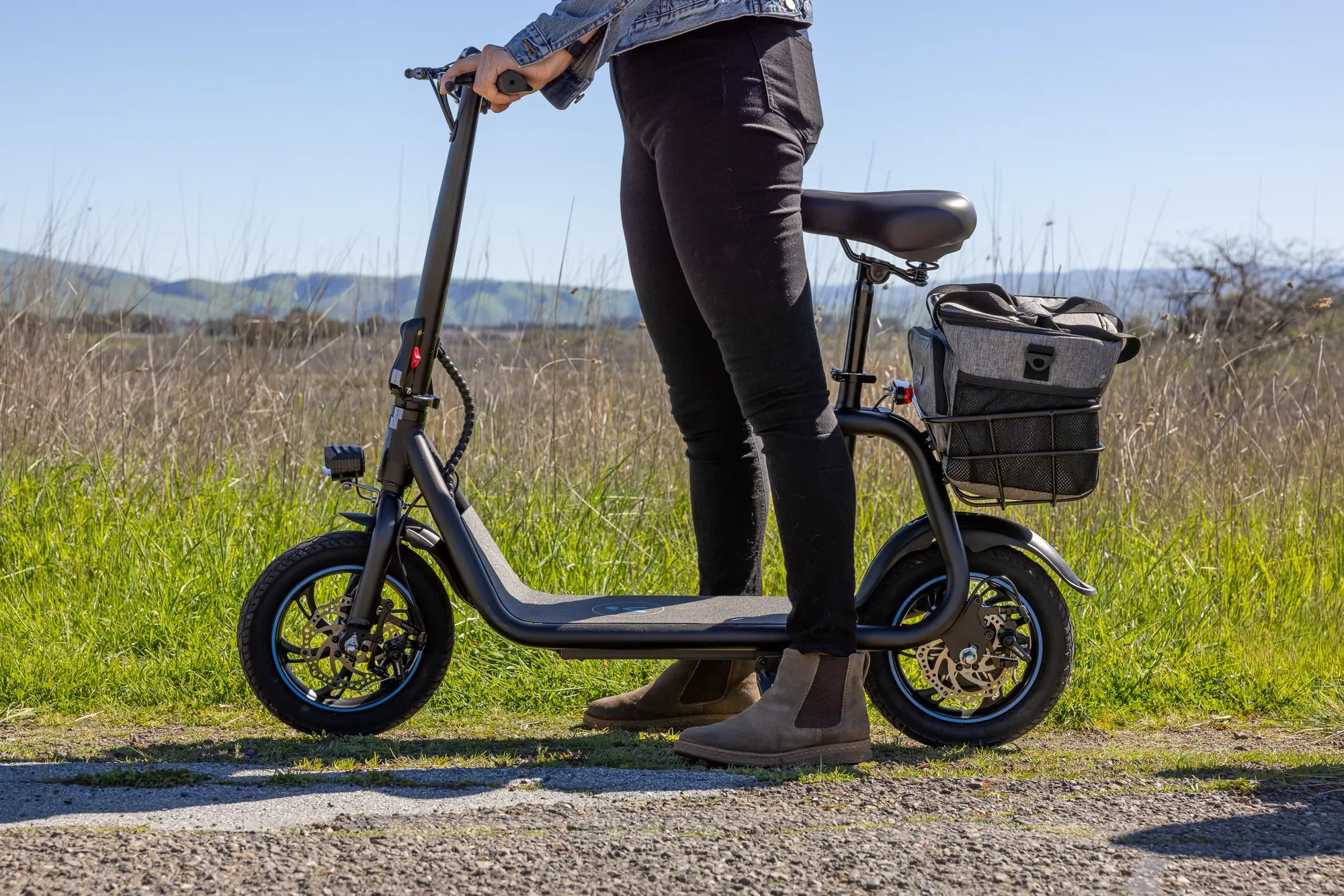
When it comes to enhancing mobility and independence, a 3 or 4 wheel mobility scooter can be a game-changer. Whether you're navigating tight indoor spaces or exploring the outdoors, choosing the right scooter can make all the difference. But how do you decide between a 3-wheel and a 4-wheel model? Let's dive into the pros, cons, and key considerations to help you make an informed choice.
Understanding the Basics: 3-Wheel vs. 4-Wheel Mobility Scooters
Mobility scooters come in two primary configurations: 3-wheel and 4-wheel models. Each has its own set of advantages and limitations, depending on your needs and environment.
3-Wheel Mobility Scooters
3-wheel mobility scooters are known for their compact design and tight turning radius. They are ideal for indoor use, such as navigating narrow hallways or crowded spaces. Their lightweight construction makes them easier to transport, and they often come with a smaller price tag.
Pros of 3-Wheel Scooters
- Greater maneuverability in tight spaces
- Lighter weight for easier transport
- Often more affordable than 4-wheel models
Cons of 3-Wheel Scooters
- Less stability on uneven terrain
- Lower weight capacity compared to 4-wheel models
- Not suitable for high-speed travel
4-Wheel Mobility Scooters
4-wheel mobility scooters offer enhanced stability and are better suited for outdoor use. They can handle rough terrain, inclines, and longer distances with ease. These scooters are ideal for users who prioritize safety and durability.
Pros of 4-Wheel Scooters
- Superior stability on uneven surfaces
- Higher weight capacity
- Better performance on inclines and outdoor terrain
Cons of 4-Wheel Scooters
- Larger turning radius, making them less maneuverable indoors
- Heavier and harder to transport
- Often more expensive than 3-wheel models
Key Factors to Consider When Choosing Between 3 and 4 Wheels
Selecting the right mobility scooter depends on several factors, including your lifestyle, physical needs, and the environments you frequent.
Indoor vs. Outdoor Use
If you primarily need a scooter for indoor use, a 3-wheel model is likely the better choice due to its compact size and maneuverability. For outdoor adventures, a 4-wheel scooter provides the stability and power needed to tackle various terrains.
Weight Capacity
Consider your weight and any additional items you might carry. 4-wheel scooters generally have higher weight capacities, making them suitable for heavier users or those who need to transport groceries or other items.
Portability
If you plan to transport your scooter frequently, a lighter 3-wheel model may be more convenient. However, if portability isn't a concern, the added stability of a 4-wheel scooter could be worth the extra weight.
Budget
3-wheel scooters are often more budget-friendly, but investing in a 4-wheel model could be worthwhile if you need additional features like higher speed or off-road capabilities.
Additional Features to Look For
Beyond the number of wheels, there are several features that can enhance your mobility scooter experience.
Battery Life
Longer battery life is essential for users who plan to travel extended distances. Look for models with high-capacity batteries and quick charging times.
Comfort
Adjustable seats, armrests, and padded cushions can make a significant difference in comfort, especially for longer rides.
Storage Options
Baskets, under-seat storage, and rear compartments can help you carry personal items or groceries with ease.
Making the Final Decision
Choosing between a 3 or 4 wheel mobility scooter ultimately comes down to your individual needs and preferences. Take the time to test different models, consult with healthcare professionals, and consider your daily activities to find the perfect fit.
Ready to take the next step toward greater independence? Whether you opt for the agility of a 3-wheel scooter or the rugged stability of a 4-wheel model, the right choice will empower you to live life on your terms.
Off Road Electric Tricycle for Adults: The Ultimate Adventure Companion
Whats a 2 Stroke Dirt Bike: The Ultimate Guide to Power and Performance